
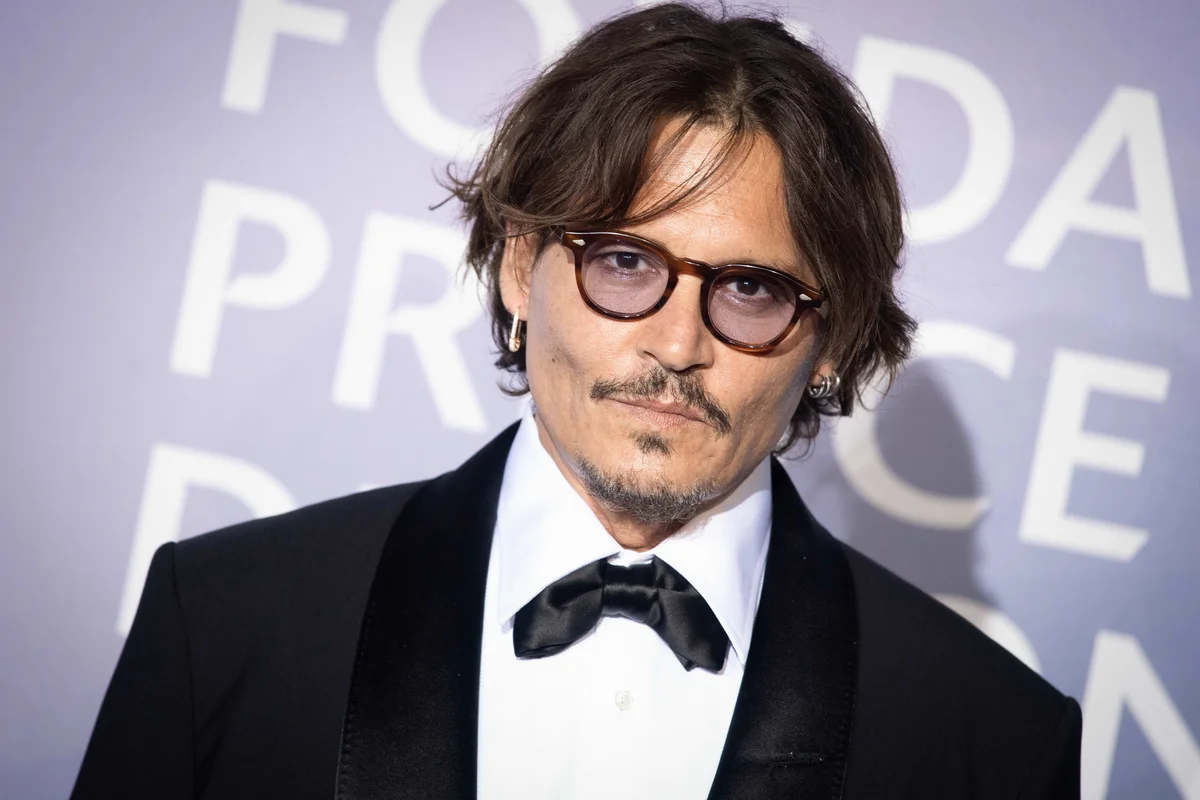
Johnny Depp career struggles have become more visible in recent years, despite his earlier status as a distinctive and unconventional actor. Initially, Depp was known for embracing unique and challenging roles in films like Dead Man and Donnie Brasco, demonstrating an interest in storytelling outside the mainstream Hollywood spotlight. His early choices reflected a preference for artistic depth over commercial appeal, which set him apart from many of his contemporaries.
This approach shifted dramatically after Depp gained worldwide fame with the Pirates of the Caribbean series. The franchise vaulted him into the spotlight as a top box-office draw, prompting him to physically transform for his characters and treat each role as a major event. Though the Pirates films remained popular, his subsequent film characters started to feel increasingly forced and repetitive, signaling a struggle to maintain creative momentum and audience engagement.
Challenges and Controversy Around The Lone Ranger
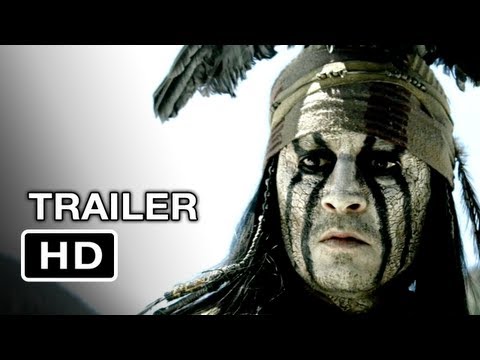
The Lone Ranger, released in 2013, marked a critical point in Depp’s career troubles and ambition. Directed by Gore Verbinski, who also led the first three Pirates installments, the film paired Depp with Armie Hammer, who played John Reid, the title role. Depp portrayed Tonto, the Native American companion, in what was intended as a reimagining of a long-familiar property. However, the casting and depiction of Tonto sparked unease because of Hollywood’s historical issues with stereotype-driven portrayals of Indigenous characters.
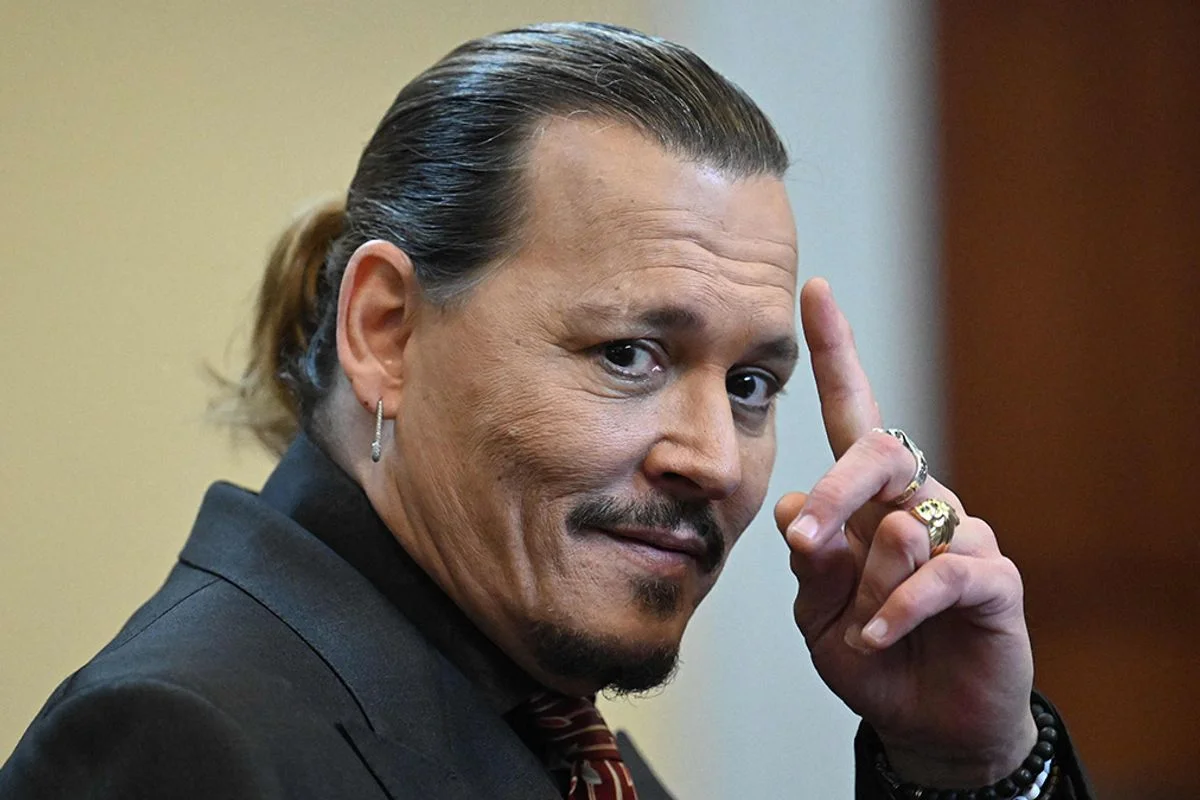
While some concerns about cultural representation overshadowed the film, Depp himself acknowledged these challenges, expressing hope that the project might serve as
“potentially an opportunity to right the wrong.”
He paid homage to Jay Silverheels, the original actor who famously played Tonto, and referenced his own Native American ancestry as a motivating factor for accepting the role. Despite this, audience and critical reactions suggested growing dissatisfaction with Depp’s creative choices during this period.
Box Office Failure Amidst Summer Blockbuster Competition
The Lone Ranger’s debut came during a fiercely competitive summer lineup, featuring heavy-hitters like Iron Man 3, Star Trek Into Darkness, Man of Steel, Fast & Furious 6, and Despicable Me 2. The film failed to generate the expected returns and swiftly gained a reputation as a major financial disappointment. This setback reflected broader issues faced by Disney, which was struggling to produce successful original live-action adventure movies following similar disappointing releases such as Prince of Persia: The Sands of Time, Tron: Legacy, and John Carter.
Given Depp’s star power and Verbinski’s involvement, expectations for The Lone Ranger were high, making its commercial failure all the more damaging. The studio’s inability to recapture the magic of its franchises through original content became painfully clear, and the film’s poor performance cast doubt over the viability of reviving The Lone Ranger franchise in the future.
A Complex Performance in a Darker Interpretation
Although Depp’s recent films have often been criticized, his portrayal of Tonto in The Lone Ranger stands apart from his more widely panned roles. The movie presented a darker and more reflective version of the story, exploring difficult themes like historical genocide and psychological trauma, which influenced both John Reid and Tonto’s turn to vigilantism. This ambitious tone contradicted expectations for a simple, escapist adventure film, surprising some viewers with its depth.
Despite the film’s excessive budget and the negative response it received, many argue that The Lone Ranger deserves more credit for its effort and complexity. Depp’s intention to honor Native American heritage and confront Hollywood stereotypes added layers to his performance, even as the film’s overall fate brought increased scrutiny to his artistic decisions and jeopardized his position in cinema.
The Impact and Future Outlook of Depp’s Career
The commercial and critical disappointment of The Lone Ranger marked a significant obstacle in Johnny Depp career struggles, highlighting the fine line between ambition and failure in a highly competitive industry. The experience underscored the risks involved when established stars attempt to redefine their careers by taking on challenging or controversial roles. For Depp, this moment acted as a turning point, signaling potential restrictions on future franchise opportunities and contributing to a period of professional uncertainty.
Moving forward, Depp’s trajectory will likely depend on his ability to navigate these setbacks and reestablish his presence with projects that balance creative risk with audience appeal. The lessons from The Lone Ranger illustrate broader challenges faced by actors who rise quickly within blockbuster culture and then struggle to maintain relevance amid shifting public tastes and industry expectations.
Related semantic context: related coverage · external reference.
