
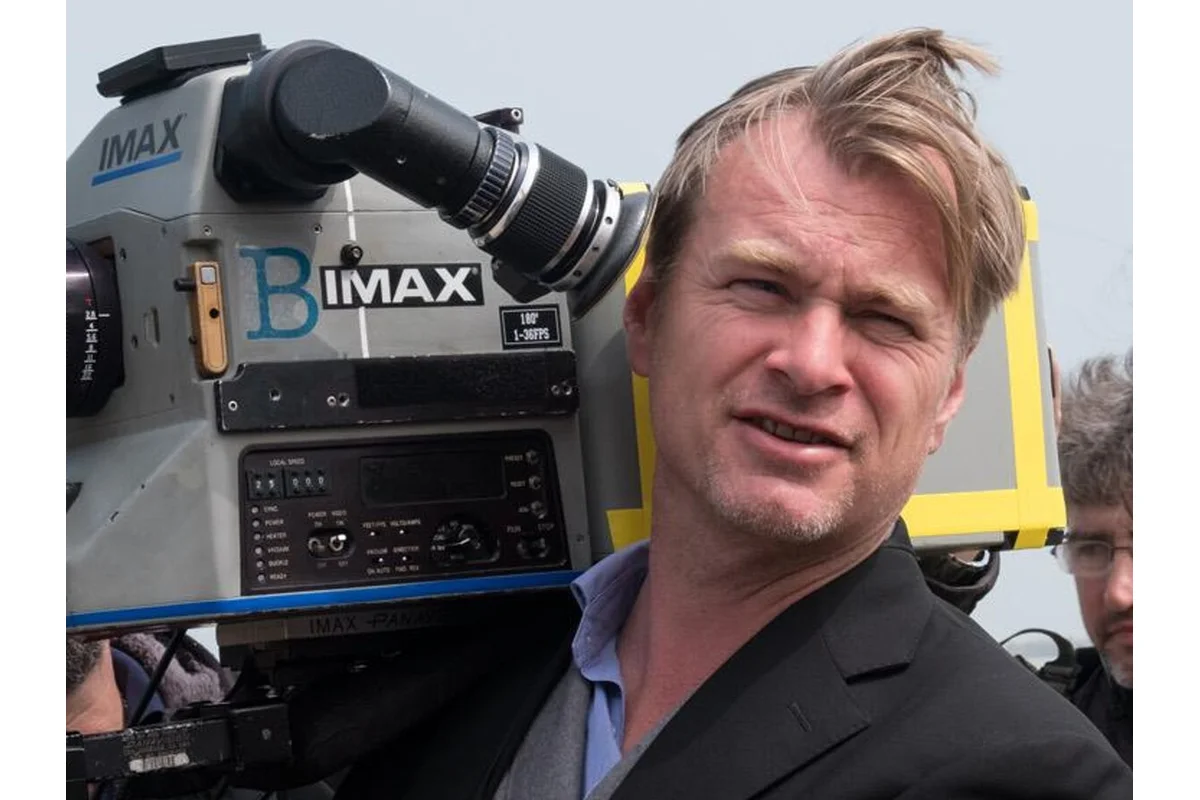
Christopher Nolan, president of the Directors Guild of America (DGA), has confirmed ongoing discussions with Netflix and Paramount regarding their bids to acquire Warner Bros. These talks come amid growing concern over the future of the historic studio, as the industry watches closely how the ownership battle may reshape the entertainment landscape.
While negotiations continue, Nolan cautions that the guild has not yet taken a firm stance in support of or opposition to either prospective buyer, underlining the complexity of the situation and its serious implications for members of the union and the industry at large.
Current Talks Between the Directors Guild and Potential Buyers
The Directors Guild has engaged in conversations with both Netflix and Paramount Skydance concerning their intentions for Warner Bros. Nolan acknowledged,
“I don’t really want to speak to the specifics of the conversations we’ve had, but publicly you’ve seen a shift from both companies to embrace, for example, theatrical windows, things like that,”
he said to reporters.
“I mean, there are encouraging noises, but that’s not the same as commitment.”
Nolan highlighted the challenge of balancing ideal goals with the reality of the situation, explaining,
“In an ideal world it would continue to function as an independent buyer [and] distributor. That would be the best thing for all members,”
while also stating union leadership is
“trying to evaluate the reality of this situation.”
Details on Warner Bros Acquisition Offers and Industry Concerns
Netflix has recently altered its acquisition proposal, dropping the stock option in favor of an all-cash deal that assigns a valuation of $27.75 per share to Warner Bros’ studio and streaming assets. Despite Netflix’s agreement already being signed, Paramount Skydance remains a formidable rival, having launched a hostile bid for the entirety of Warner Bros. Discovery, including cable networks.
Each bidder’s approach has raised unique concerns within the industry. Paramount’s potential acquisition has alarmed some parties, given the Trump-aligned Ellison family’s involvement and the possibility of extending their control over cable news networks such as CNN. When it comes to Netflix, fears around the future of theatrical releases dominate. Netflix co-CEO Ted Sarandos has promised that Warner Bros films would maintain a 45-day theatrical window, matching current practices.
Describing the discussions with both companies as “productive,” Nolan emphasized the complexity, saying the guild is “in the thick of it” as they analyze the ramifications of the competing bids and how they might impact the studio and its workforce.
Nolan’s Concerns Over Media Consolidation and Industry Impact
A major point of anxiety for Nolan lies in the broader pattern of media consolidation. He warns that any merger will likely lead to job losses and increased concentration within the already vulnerable entertainment sector. Nolan stressed,
“A merger is going to mean loss of jobs. It’s going to mean consolidation. We all know that. We can all look at history to see that our interest right now is in trying to get to grips with, how can we try and ameliorate some of these concerns? How can we try and look at these companies and secure some kind of meaningful commitments from them, in terms of how to ensure that Warner Bros. — a fantastic, historic 100-year-old company with its incredible library, with its incredible employees — can see the best chance of survival and a potential to thrive,”
He continued,
“So, whether from Paramount, whether from Netflix, we’re interested in more about the specifics of how they get around these things, what consolidation will do, what the impacts on our members will be, and we’re deep in those conversations.”
Stance on Theatrical Release Windows and Financial Implications
On the topic of theatrical release windows, Nolan firmly advocates for a longer duration than what either potential owner currently proposes. He stated,
“We strongly take the position that we need a 60-day theatrical window, such as Disney, who’s the most successful theatrical distributor. That’s what they do, and that’s what everybody should be doing.”
Nolan explained that the theatrical window directly affects residuals, which are a critical source of income supporting the guild’s health plan.
“When we analyze our residual space, the residuals from the licensing of theatrically released films is still our single largest category that contributes towards our health plan,”
he pointed out. Still, he acknowledged that the challenges extend beyond theatrical earnings alone.
He added,
“When you add up what our members contribute to television, obviously that’s the major part of it, and that’s where, in the shifting streaming landscape, a lot of the major issues are with the deal,”
concluding that
“The reality is, we have very, very significant concerns about how this is all going to happen. It’s a very worrying time for the industry. The loss of a major studio is a huge blow.”
What Lies Ahead for Warner Bros and the Industry
The outcome of the Warner Bros ownership battle carries substantial weight for the future of filmmaking, streaming, and broadcast television. The Directors Guild’s efforts to secure meaningful commitments from both Netflix and Paramount aim to safeguard jobs, protect the studio’s rich legacy, and maintain a sustainable landscape for creative professionals.
As negotiations advance, the industry remains on edge, awaiting clear signals about the studio’s direction and how the consolidation of assets will reshape content production, distribution, and employment. Nolan’s leadership at the guild signals a watchful, cautious approach as the fate of Warner Bros unfolds amid these high-stakes offers.
Related semantic context: related coverage · external reference.
