
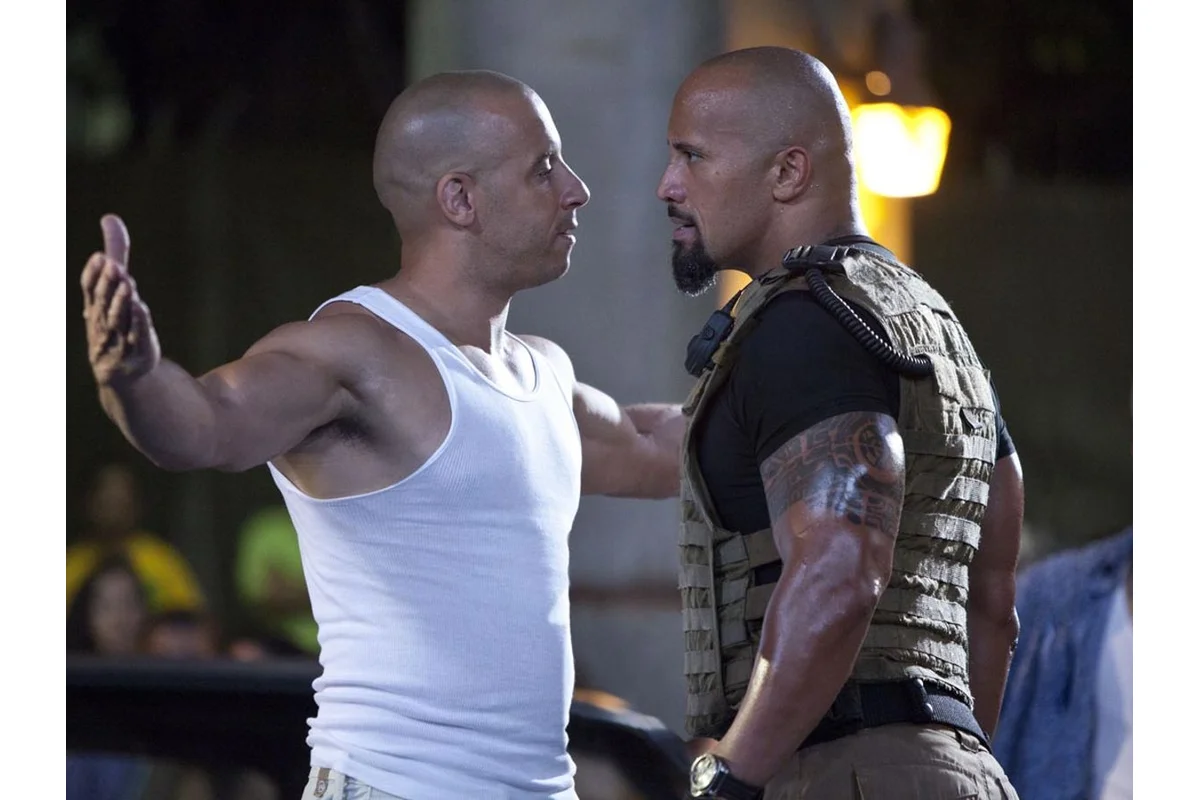
The Jumanji franchise, revived by Dwayne Johnson and an ensemble cast, first captured audiences in 2017 by modernizing the classic 1995 film. Johnson’s box office appeal has been a cornerstone for the series; however, his recent streak of underperforming films casts uncertainty over the upcoming Jumanji 4, scheduled for release in December 2026. With several years passing between installments and other key cast members facing similar challenges, the sequel’s success is no longer assured.
The Evolution and Revival of the Jumanji Franchise
The original Jumanji movie, released in 1995 and starring Robin Williams, told a unique fantasy tale where a board game unleashed real-world adventures. When Dwayne Johnson took on the reboot in 2017 with Jumanji: Welcome to the Jungle, the concept shifted from a board game to a video game, pulling characters into the jungle itself. This fresh take resonated with both critics and audiences, earning $962 million globally against a $90 million budget. The combination of thrilling action and comedy, supported by a strong cast, helped the film surpass expectations.
Building on this success, the franchise quickly released a sequel, Jumanji: The Next Level in 2019, which saw its budget increase to $125 million. This follow-up continued the winning formula and grossed $801 million worldwide, solidifying the franchise’s box office strength. Despite plans for a third sequel soon after, production delays extended the gap between films, stirring concerns about sustaining fan interest. The forthcoming fourth movie aims to wrap up the trilogy and is slated for a holiday release in 2026.
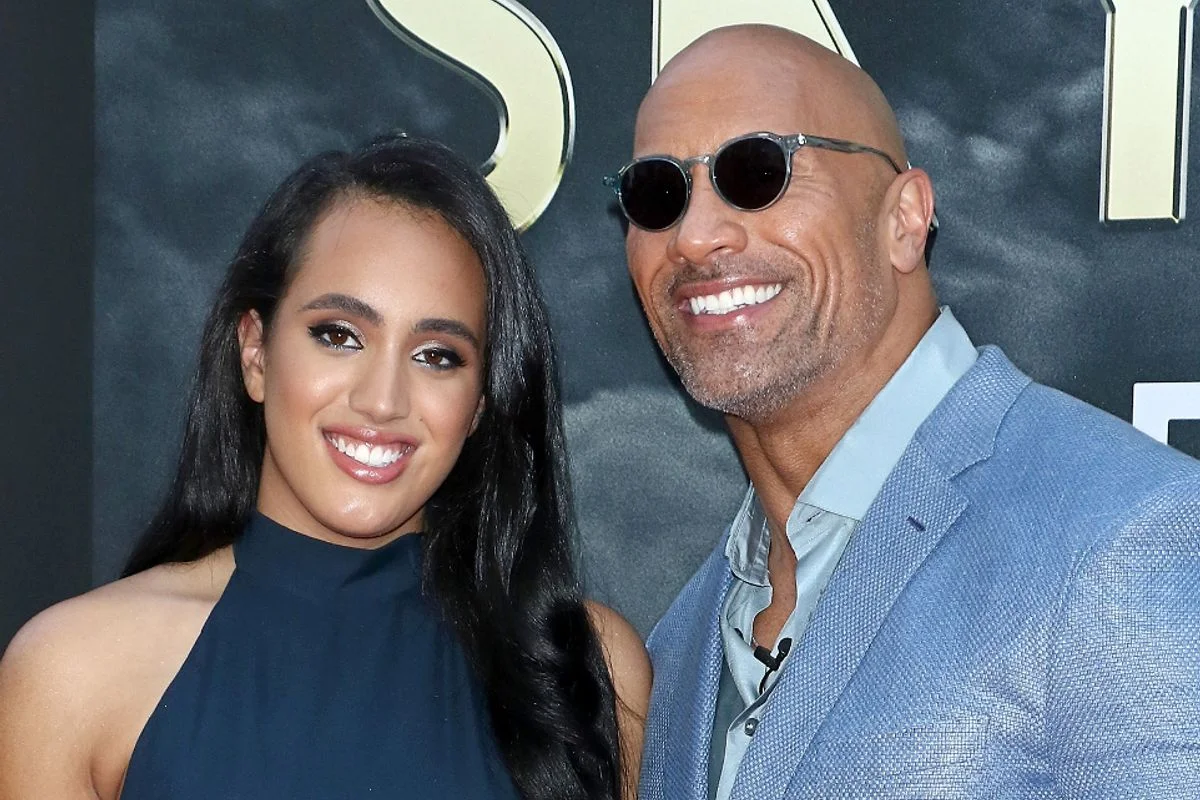
Recent Box Office Challenges for Dwayne Johnson
Dwayne Johnson has been a dominant box office draw for over a decade, with hits like the Fast & Furious franchise, Moana, and his initial Jumanji films. However, his recent films have failed to replicate that consistent success. Films such as Jungle Cruise (2021), despite earning positive audience feedback and featuring co-star Emily Blunt, struggled financially. With a budget near $200 million, it barely surpassed $220 million globally, leading studios to cancel sequel plans.
While Johnson’s Netflix hit Red Notice broke streaming records, critical reception was poor, holding a 37% approval rating on Rotten Tomatoes. The film’s success was derived from streaming demand rather than box office performance. The downward trend extended into 2022 with Black Adam, seen by many as a misstep for the DC Extended Universe. Despite earning $393 million worldwide, its large budget and weak critical response signaled struggles for Johnson’s recent projects. Reports also surfaced about Johnson exerting high-level influence during production, which may have contributed to negative press.
Continuing the trend, 2024’s Red One received harsh critical reviews and grossed only $186 million against an estimated budget of $200–250 million. Even Johnson’s acclaimed role in the sports biopic The Smashing Machine, which earned him a Golden Globe nomination, failed to draw significant audience attention, further highlighting his difficulty in consistently generating box office hits lately.
Factors Complicating the Upcoming Jumanji Sequel’s Prospects
In response to fluctuating box office results, Johnson has attempted to revitalize his drawing power by returning to reliable franchises such as the Fast & Furious series and by expanding his involvement in other ventures, including WWE appearances and upcoming projects related to Moana. However, these efforts have had mixed results at best. Additionally, Kevin Hart, a long-time Jumanji co-star, has not fared well recently; his roles in films like Borderlands and DC League of Super-Pets alongside Johnson have not connected strongly with audiences, and his streaming films also struggled to gain traction.
The long interval between Jumanji films poses another challenge. Extended delays can cause a drop in fan enthusiasm, making it harder to regain momentum with each new release. Johnson has publicly framed the upcoming installment as the final chapter of the current storyline, which presents the complex task of concluding multiple character arcs satisfactorily. Nonetheless, this pause has also allowed the franchise some breathing room to potentially reach a broader audience upon return.
Jack Black’s Rising Influence as a Key to Jumanji 4’s Appeal
Among the Jumanji cast, Jack Black’s career has surged since the last film, making him a crucial asset for the upcoming sequel. With a popular and varied body of work including School of Rock and Kung Fu Panda, Black’s star power has only grown. His performance in The Super Mario Brothers Movie received widespread acclaim, particularly for his viral rendition of the song Peaches, which earned him a Golden Globe nomination. The sequel The Super Mario Galaxy Movie is expected to premiere before Jumanji 4, reinforcing Black’s momentum.
Additionally, Black played a memorable role in the Minecraft Movie, which grossed nearly $1 billion and sparked significant online enthusiasm. He also recently co-starred with Paul Rudd in the Anaconda reboot, transforming it into a box office hit despite lukewarm reviews. His appeal among diverse audiences may help bolster the franchise’s prospects as it seeks to overcome challenges tied to Johnson’s fluctuating box office record.
Potential for Success Despite Uncertain Outlook
Although recent complications cloud Jumanji 4’s outlook, the franchise retains considerable strengths. Dwayne Johnson remains a key draw due to his established connection to the series, while Jack Black and Karen Gillan contribute additional star power backed by recent successes. The intellectual property itself, combined with its targeted holiday release, still offers a solid framework for box office performance.
Whether the upcoming film can reach or surpass the achievements of its predecessors will depend on how well it navigates Johnson’s diminishing box office influence, the narrative demands of concluding the current story arc, and the rekindled enthusiasm of its audience. The Jumanji franchise’s future success may hinge less on any single star and more on how the ensemble’s dynamic and the story deliver during this next, critical chapter.
Related semantic context: related coverage · external reference.
