
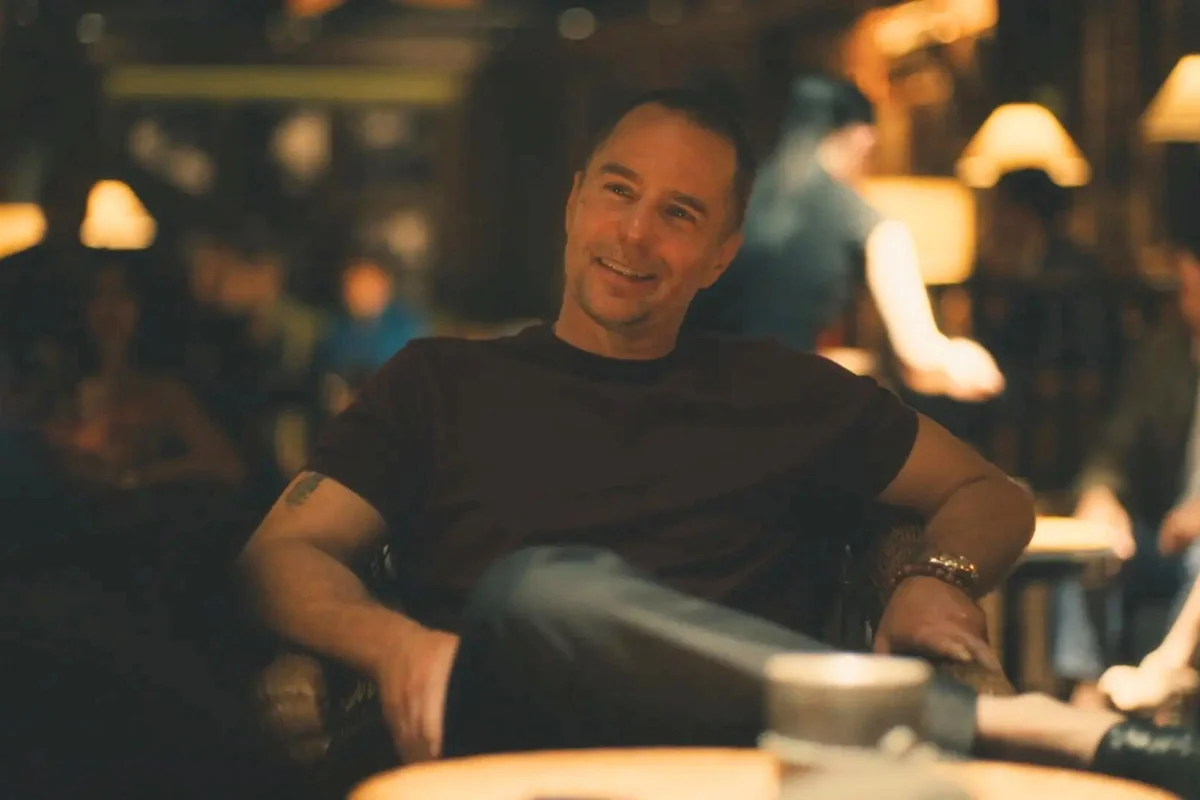
In the new film
“Good Luck, Have Fun, Don’t Die,”
Sam Rockwell takes the lead as a man from the future who warns of an AI-driven apocalypse, blending sci-fi and action satire to explore contemporary fears about technology. Directed by Gore Verbinski, the movie debuts in the US on February 13, following screenings at Fantastic Fest and Berlin, and highlights the growing concern over artificial intelligence’s impact on humanity.
A Futuristic Mission to Prevent AI Catastrophe
The story opens late at night in a Los Angeles diner where Rockwell’s character arrives unannounced, with a bomb strapped to his chest, claiming he has returned from the future to stop a devastating AI program. He insists he has visited this exact moment 117 times before, seeking the right group to join his quest. Among those persuaded to accompany him are several ordinary people, such as a couple named Mark and Janet, and Ingrid, who is inexplicably dressed as a princess.
The team must confront a mysterious boy poised to launch an AI system that could destroy their world, with obstacles including masked assassins and armed homeless opponents, all set against a backdrop of AI-induced chaos.
Stories Behind the Characters Reveal a Society Ensnared by Technology
Screenwriter Matthew Robinson incorporates flashbacks that delve into the lives of the characters, revealing their struggles with a world dominated by smartphones and AI. Mark’s story shows him substituting at a high school, where students appear zombified and controlled by their devices.
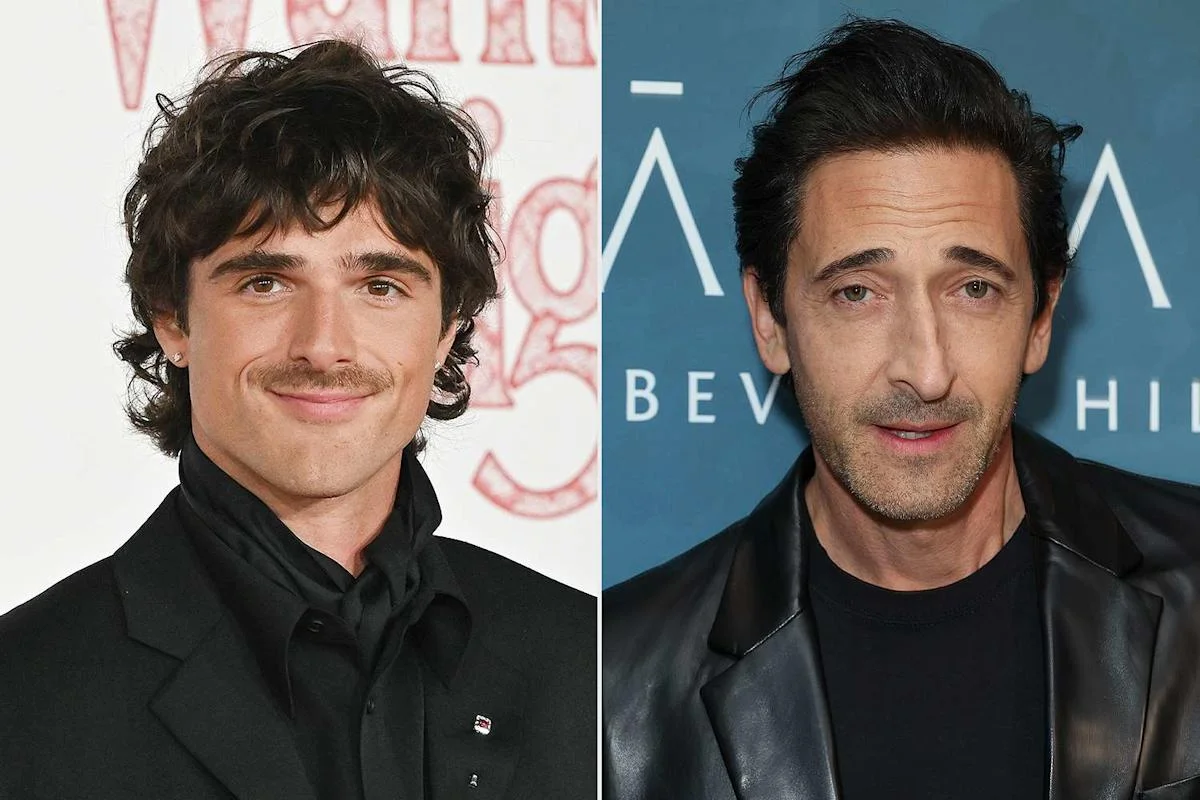
Ingrid’s peculiar outfit is explained by her allergy to Wi-Fi, highlighting an individual rejecting technology’s omnipresence. These backstories emphasize how deeply dependent society has become on digital devices, hinting at the film’s critical perspective on modern life.
One of the film’s most poignant sequences features Susan, played by Juno Temple, who mourns her son lost in a school shooting. She discovers a controversial company that clones deceased children, reflecting grim realities tied to America’s ongoing gun violence crisis. Temple delivers a performance marked by both shock and horror as her character wrestles with the ethical cost of attempting to bring her son back.
Strong Visuals Undercut by Weak Character Development
While Verbinski’s direction injects vivid visuals and kinetic energy into the film, the script falters in developing more complex, relatable characters. Rockwell’s frantic protagonist is characterized by sharp sarcasm and intense outbursts, but lacks the deeper emotional layers that would enhance the satire’s impact.
The supporting cast, including Haley Lu Richardson, Michael Pena, and Zazie Beetz, play more grounded roles but also suffer from underwritten dialogue, leaving their characters feeling like vehicles for the film’s critique on society’s obsession with technology rather than fully realized individuals.
The movie oscillates between moments of action and expositional pauses, which provide some context but ultimately highlight its failure to fuse its high-concept themes with a convincing human story. The film
“doesn’t have enough of a human element,”
underscoring this gap in the narrative.
Addressing Social Ills Through an AI Lens
The film seeks to address urgent concerns about the erosion of humanity through technology and excessive phone use. It portrays a dystopian future where social media and AI have contributed to societal decay, affecting not just individuals but entire communities.
Despite its ambitious intentions, the movie leans heavily on cynicism and dark humor, which sometimes undermines the gravitas of its warnings. Rather than fostering genuine emotional engagement, the film’s “hip, fashionably embittered attitude” risks distancing audiences from the critical themes rooted in modern technological anxiety.
Production and Creative Team Behind the Film
“Good Luck, Have Fun, Don’t Die”
is a joint production between Constantin Film, Blind Wink Productions, and 3 Arts, with Gore Verbinski also serving as one of the producers alongside Robert Kulzer, Erwin Stoff, Oly Obst, and Denise Chamian. The screenplay was penned by Matthew Robinson, with James Whitaker handling cinematography, David Brisbin as production designer, Craig Wood editing, and Geoff Zanelli providing the musical score.
The cast features notable actors including Sam Rockwell, Haley Lu Richardson, Michael Pena, Zazie Beetz, Asim Chaudhry, Tom Taylor, and Juno Temple, all contributing to a story that mixes thrills with social commentary.
Screenings and Audience Expectations
The film made its first public appearance as a secret screening at Fantastic Fest and later featured in a Berlin Special Screening. While it is expected to draw attention for its distinctive tone and provocative themes, it may resonate more as a cult favorite than a mainstream blockbuster. Its blend of nihilism and satire aims to captivate viewers who appreciate audacious social critiques wrapped in genre storytelling.
“Good Luck, Have Fun, Don’t Die”
taps into contemporary cultural anxieties about AI and technology, reflecting an urgent conversation about how these forces shape—and sometimes diminish—human connections and society itself. Although the film’s approach may leave some frustrated by its lack of deeper humanity, it raises critical questions about our digital future and the cost of progress.
Related semantic context: related coverage · external reference.
