
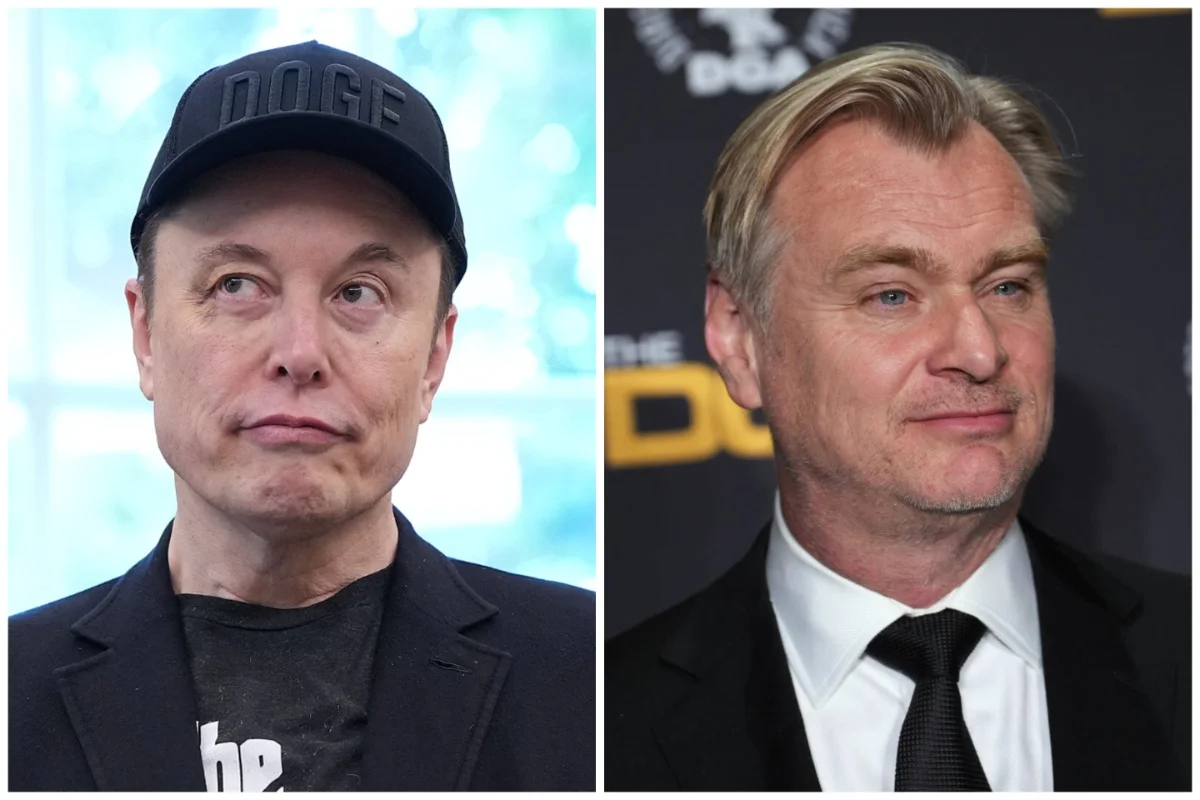
Christopher Nolan is the primary entity for this article, supported by Hollywood topic context.
Related WII context: related keeper article. External authority context: industry context.
Christopher Nolan, newly elected president of the Directors Guild of America (DGA), has voiced deep concerns about the state of Hollywood amid rising challenges, including the rapid advancement of artificial intelligence, an unstable box office environment, and industry job losses. Speaking recently about these issues, Nolan emphasized the urgent need for clear solutions as the entertainment industry faces substantial uncertainty.
Implications of New Technology on Filmmaking Creativity
During a discussion with reporters, Nolan warned that emerging business models driven by technology do not align with the creative needs of filmmaking. He stressed that relying on machines to replace human imagination threatens the artistry that underpins the industry. Nolan highlighted an alarming gap between consumer production spending and the quality of creative output, describing this disconnect as detrimental to Hollywood’s creative integrity.
We need to look at how the new models have created this disconnect between — frankly — the level of production and overall spending from the consumer,
Nolan explained.
That’s completely unacceptable.
Potential Impact of Overseas Film Production Taxes
Nolan also discussed President Trump’s proposal for a 100% tariff on films produced outside the United States as part of an “America First” economic agenda. While this could encourage more domestic filmmaking, Nolan warned such measures might unintentionally disrupt creative workflows and complicate production efforts. He noted that these ideas have sparked more serious conversations within studios about enhancing conditions for productions made in the U.S.
I don’t know how a tariff system would work,
Nolan remarked.
I will say that since President Trump has started bandying these ideas around, there’s a much more serious conversation from the studios about how to improve the situation in the United States — to be perfectly frank about it.
Concerns Surrounding Warner Bros. and Netflix Merger
Nolan expressed apprehension about the proposed acquisition of Warner Bros. by Netflix, a development that could transform the Hollywood landscape substantially. A contentious issue remains the strategic window between theatrical release and streaming availability. Although Netflix executive Ted Sarandos has proposed a 45-day period, Nolan and the DGA advocate for a longer 60-day window, citing that even a 15-day difference could critically affect a film’s success in theaters and beyond. This dispute reflects wider unresolved questions about how the combined entity would operate.
There are encouraging noises, but that’s not the same as commitments,
Nolan stated.
The theatrical window becomes a sort of easily graspable symbol of whether Warner Bros. will be run as a theatrical distributor or whether it be folded in as a streamer. But the reality is, the issues on the television side and the streaming side are far more important to our membership.
The Risks of AI in Filmmaking and Creative Ownership
Nolan raised significant alarms about the increasing integration of artificial intelligence in content creation, describing the technology as a threat to the role of filmmakers. AI tools can dilute the director’s control and artistic vision, while also generating complex questions about ownership and copyright, especially when AI reuses elements from preexisting works. This ambiguity creates a troubling landscape for creative rights and accountability.
Urgency in Addressing Hollywood’s Future Challenges
Overall, Christopher Nolan’s insights highlight critical issues facing Hollywood today, warning of potential damage if industry leaders do not address these challenges thoughtfully. His perspective as both a filmmaker and DGA president underscores the need for balanced solutions that preserve creativity, protect jobs, and navigate the evolving influence of technology. The outcomes of discussions on AI regulation, studio mergers, and production policies will significantly shape the future of filmmaking and its cultural impact.
