
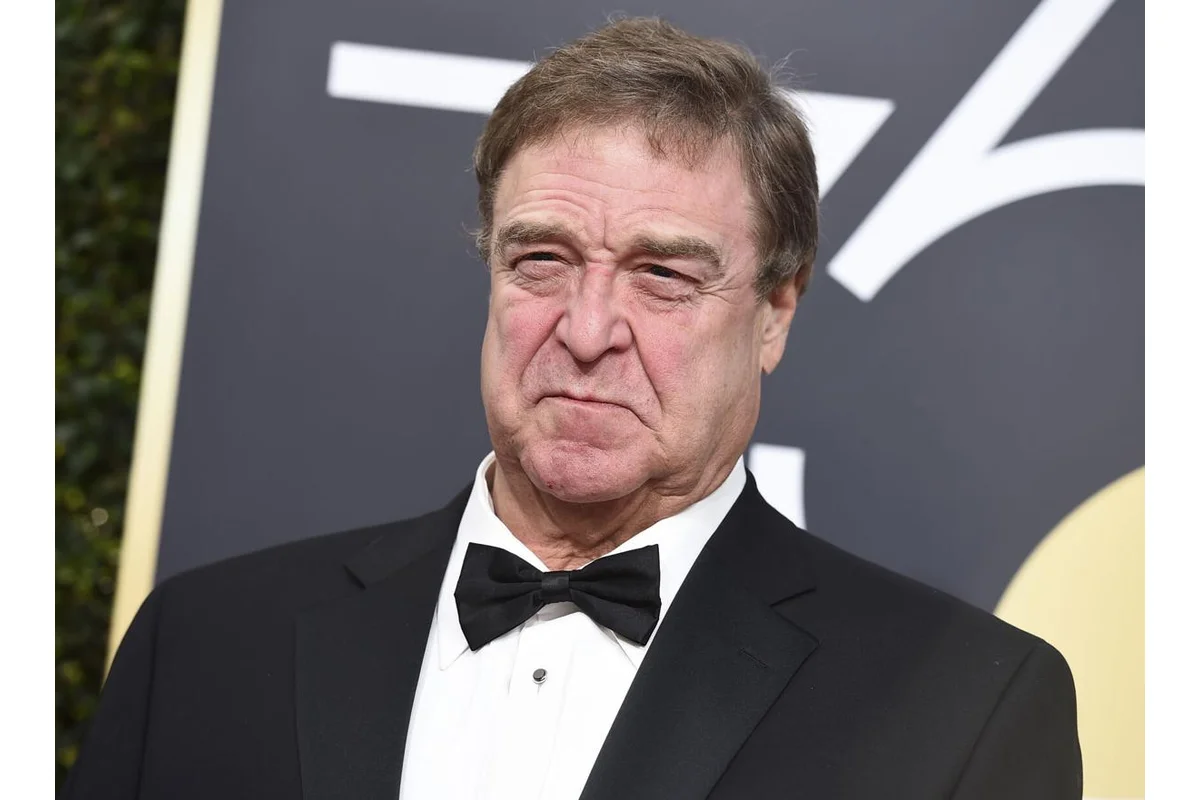
John Goodman’s journey in comedy is deeply connected to a performance style that shaped his approach as an actor. His admiration for a legendary comedian’s work played a significant role in forming his comedic instincts. Goodman, widely known for his comedic talents, has been entertaining audiences for over three decades with iconic roles that highlight his natural flair for humor.
From his acclaimed work on the TV show Roseanne, which earned him a Golden Globe, to his standout character on The Righteous Gemstones, Goodman consistently delivers comedy grounded in strong character work. His collaboration with the Coen brothers further cemented his status, portraying memorable roles like Gale Snoats in Raising Arizona and Walter Sobchak in The Big Lebowski. These performances showcase his versatility, but comedy remains his most successful domain.
Early Influences and the Role of Family in Goodman’s Comedy Path
Goodman’s comedic style owes a great deal to formative experiences he shared with his older brother, Leslie. Together, they watched and laughed at one pioneering comic whose genius left a lasting impression. Ernie Kovacs, who passed away in 1962, is often celebrated posthumously for his groundbreaking, experimental approach to television comedy. His absurdist and unpredictable methods influenced countless performers and redefined comedy during the 1950s.
Kovacs’ impact extends beyond his era, affecting well-known entertainers ranging from Johnny Carson and the Muppets to Andy Kaufman and numerous late-night hosts. Even Chevy Chase, known for his tough demeanor, acknowledged Kovacs’ contributions and unique vision. Chase noted that Kovacs recognized
“there was an intrinsic magic about television itself that should be explored,”
calling him a pioneer who
“chose to break precedents whenever possible.”
This spirit of innovation inspired Goodman to embrace his own comedic inclinations.
Goodman’s Personal Reflection on Kovacs’ Lasting Impact
Sharing his memories with the Inquirer, Goodman described how he and his brother would watch Kovacs’ work together:
“When I was young, I watched Ernie Kovacs with my brother.”
He fondly recalled the joy Kovacs’ performances brought, mentioning that
“we’d just cry, we laughed so hard.”
Goodman’s recollections paint a picture of laughter as a vital force in his life, stating,
“Laughter makes me feel better than almost anything. It sure gets you through a lot. But I love to laugh almost more than anything else.”
He noted that his early skills in imitations and comedic expressions might have been
“a naked need for attention in school,”
but they were rooted in a genuine passion sparked by Kovacs and supported by his brother’s shared enthusiasm.
He also praised Kovacs’ half-hour specials, describing them as “legitimately funny” and “surreal, trippy” showcases of comedic innovation. These moments were deeply influential and helped guide Goodman toward embracing the comedic genre that later defined his career. Although Kovacs was not solely responsible for Goodman’s path, his legacy helped illuminate the possibilities within comedy.
The Enduring Legacy of Ernie Kovacs in American Comedy
Kovacs’ legacy continues to resonate within the comedy world, inspiring performers who push creative boundaries and redefine humor. For John Goodman, that influence shaped a career filled with memorable characters and laughter that connects across generations. As Goodman’s work persists in reaching new audiences, the spirit of Kovacs’ pioneering vision lives on through him and others who celebrate the power of comedy.

Related semantic context: related coverage · external reference.
