
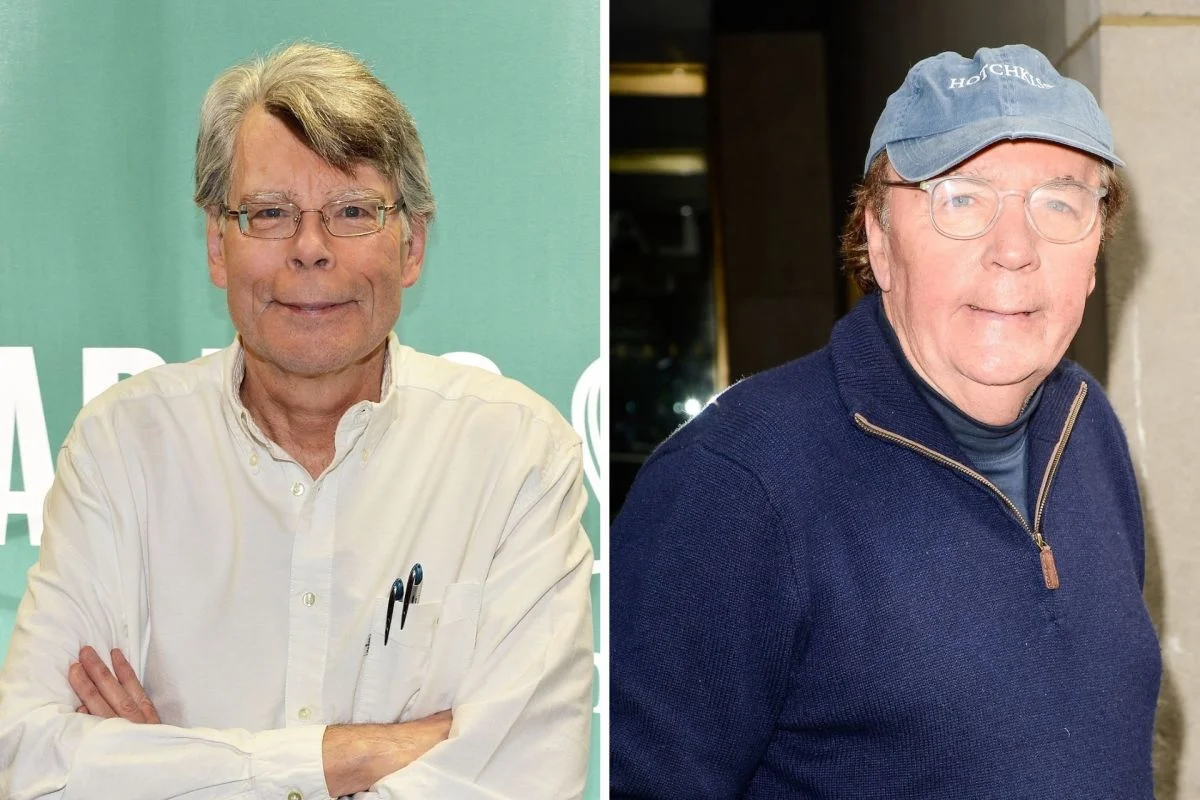
Stephen King is often linked with graphic horror, yet many of his psychological movies deliver tension and fear without relying on excessive gore. These films spotlight his ability to explore sinuous human fears and unsettling relationships, making them compelling to fans who prefer thrills based on suspense and mental unease. Here are five Stephen King psychological movies that captivate through atmosphere and story rather than bloodshed.
Exploring Dark Secrets in A Good Marriage
Released in 2014, A Good Marriage stems from a Stephen King novella included in Full Dark, No Stars. Inspired by the real-life arrest of Dennis Rader, the notorious BTK serial killer, the story delves into the chilling possibility that a spouse could be oblivious to a partner’s darkest crimes. The film centers on Darcy Anderson, played by Joan Allen, who discovers evidence suggesting her husband, Bob (Anthony LaPaglia), lives a sinister double life. What follows is a tightly wound psychodrama, focusing on Darcy’s struggle to reconcile her perception of the man she loves with the horrifying truth she uncovers.
While the film didn’t receive universal acclaim, it stands out due to the intense performances of its leads and its exploration of trust and betrayal within marriage, making the psychological tension the main source of horror.
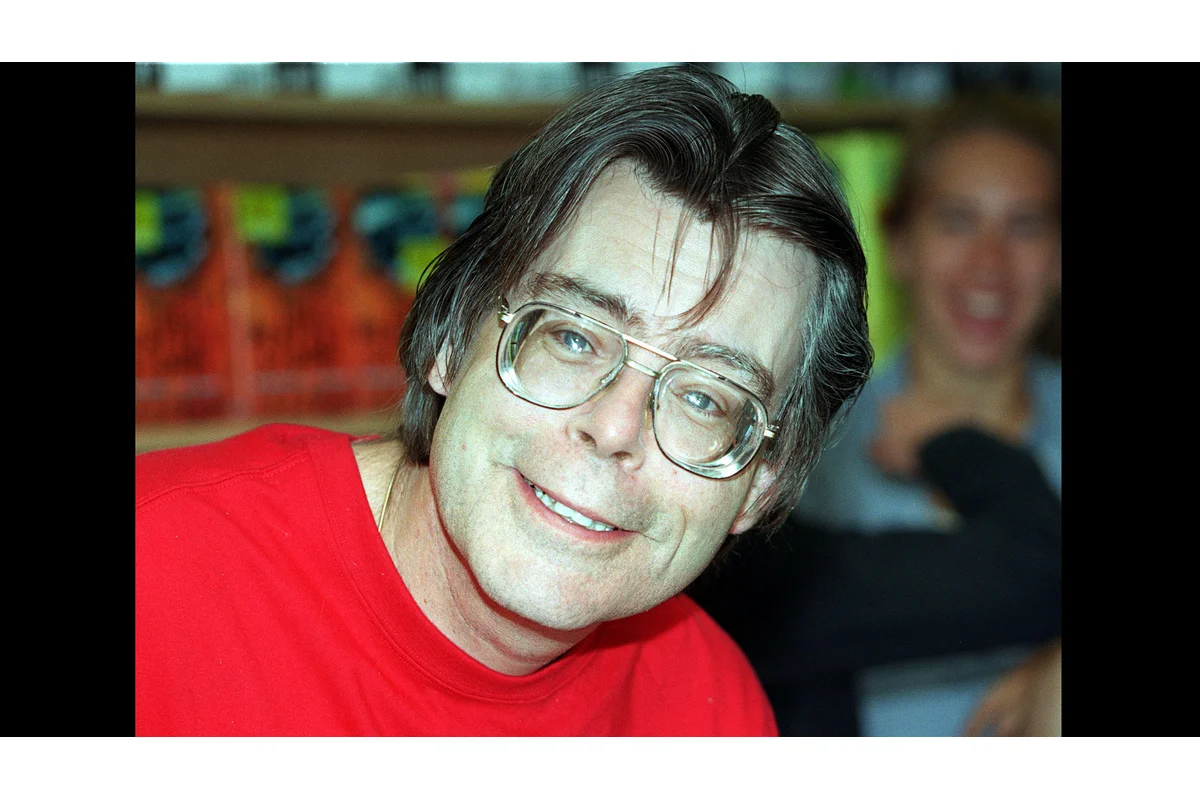
Great -– now Stephen King is giving my father a big head. Thanks for that. That’s the last thing my dad should get,
Kerri Rawson, daughter of Dennis Rader
The Twisting Mind Games of Secret Window
In 2004, Johnny Depp starred in Secret Window, adapted from King’s novella “Secret Window, Secret Garden” in the collection Four Past Midnight. Directed by David Koepp, the film follows Mort Rainey, a mystery writer who faces an unsettling confrontation when a man named John Shooter accuses him of plagiarism.
This showdown between two writers becomes a tense psychological thriller, emphasizing the unraveling of Mort’s mind rather than graphic scenes. The escalating threat posed by Shooter (John Turturro) induces fear mainly through suspense and mental strain, rather than bloodshed. Like A Good Marriage, it portrays a battle of wits where paranoia and doubt drive the narrative tension.
King’s fascination with writers and their inner turmoils is evident here, as the movie deftly captures how creative minds can become lost in their own dark thoughts.
The Disturbing Relationship in Apt Pupil
Apt Pupil, a 1998 film directed by Bryan Singer and based on a novella from King’s 1982 collection Different Seasons, examines a sinister bond between a high school boy named Todd (Brad Renfro) and his neighbor Kurt Dussander, revealed to be a former Nazi war criminal played by Ian McKellen.
Instead of relying on violent spectacle, the film builds a disturbing psychosexual tension as Todd becomes obsessed with Dussander’s sadistic past. Although the novella includes explicit scenes of torture and murder, the film minimizes these elements, focusing on the chilling dynamics between the two characters. The movie’s uncomfortable tone is intensified by behind-the-scenes controversies involving allegations of abuse during production, casting a shadow over the film’s disturbing themes.
The Subtle Horror of The Dead Zone
Director David Cronenberg, mostly known for his visceral body horror films, took a restrained approach with 1983’s The Dead Zone. Based on King’s novel, the movie stars Christopher Walken as Johnny Smith, a man who wakes from a coma with psychic abilities that let him glimpse into people’s futures through touch.
Rather than focusing on graphic horror, the story unfolds as a political thriller, with Johnny discovering an impending disaster linked to a powerful political candidate played by Martin Sheen. The film evokes the paranoia of 1970s conspiracy thrillers like The Parallax View and relies on atmosphere, suspense, and ethical dilemmas rather than gore. Cronenberg’s subtle direction allows the psychological weight of Johnny’s visions and moral choices to create lasting unease.
The Psychological Terror Behind The Shining
The Shining, directed by Stanley Kubrick and based on King’s novel, is often cited as one of the scariest movies ever, yet it features very little blood. The story follows the Torrance family as they winter-over in the isolated Overlook Hotel, where supernatural forces and isolation prey on their minds. Jack Nicholson’s portrayal of Jack Torrance reveals a man’s gradual unravelling under the weight of addiction and resentment, creating a sense of dread that feels almost more real than the ghosts haunting the hotel.
The horror is rooted in atmosphere and psychological tension, with moments like the eerie twin girls in the hallway becoming iconic for their unsettling quietness rather than graphic violence.
‘The Shining’ uses … psychological misdirection to forestall the realization that the supernatural events are actually happening.
Stanley Kubrick, director
Kubrick’s approach emphasizes the mind’s fragility and how isolation can amplify fear, making The Shining a classic example of how psychological horror can eclipse gore.
The Enduring Impact of Stephen King’s Gore-Free Films
Though Stephen King is often synonymous with blood-soaked horror, these five films demonstrate his ability to inspire tension and terror through psychological storytelling. From intimate portraits of marriage and obsession in A Good Marriage and Apt Pupil to eerie mind games in Secret Window, chilling psychic visions in The Dead Zone, and chilling family dynamics in The Shining, his work transcends the need for visceral gore.
These movies maintain an intense, composed tone that explores the darker corners of the human psyche and the unsettling possibilities that lie within everyday relationships, firmly establishing Stephen King psychological movies as a significant and varied subset of his storytelling legacy. For viewers who prefer thrills grounded in suspense and character depth rather than overt bloodshed, these films offer compelling, disturbing cinematic experiences.
Related semantic context: related coverage · external reference.
