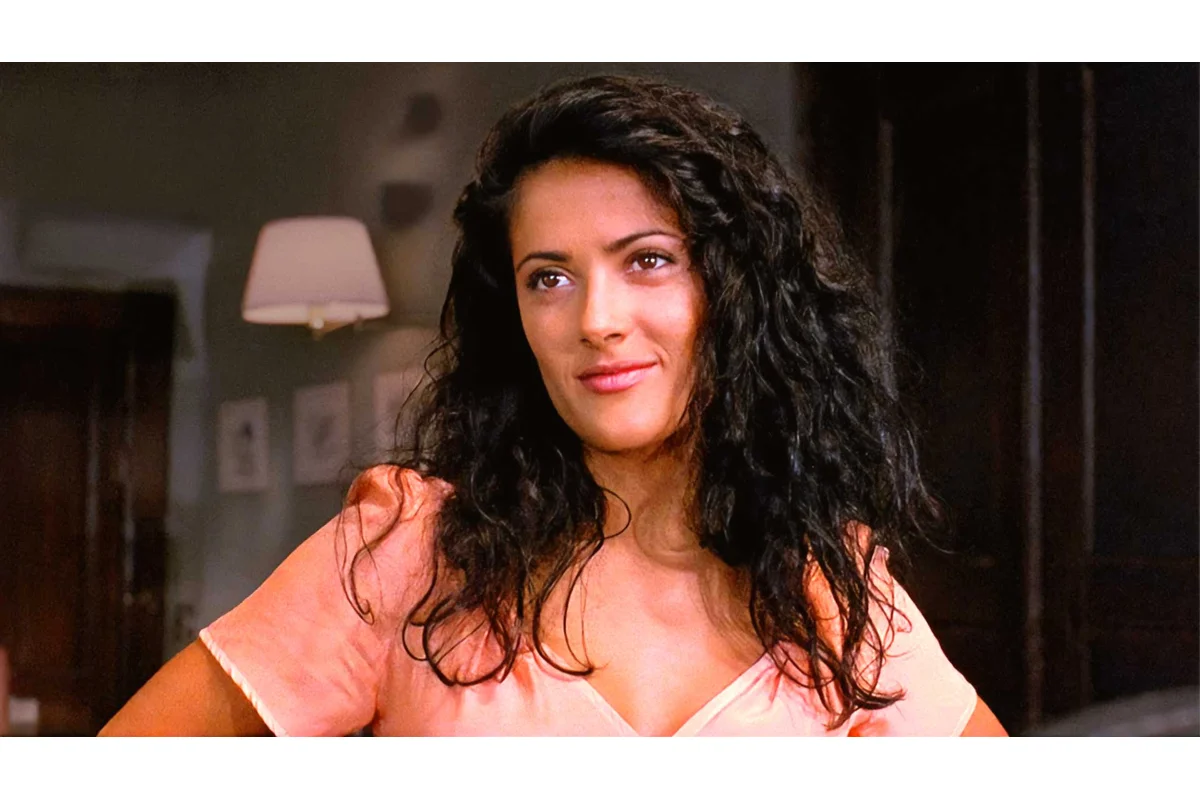
Salma Hayek is the primary entity for this article, supported by Entertainment topic context.
Related WII context: related keeper article. External authority context: industry context.
Salma Hayek’s career transformation reflects a journey marked by persistence and versatility, as she overcame early typecasting to become a celebrated actress across numerous genres. Beginning her rise in the 1990s, Hayek shifted from Mexican television to Hollywood, where she initially faced limitations on the roles offered to her.
Early Struggles and Typecasting in Hollywood
After launching her acting career in Mexican TV shows, Salma Hayek moved to the American entertainment scene in the 1990s. It was during this period that her collaboration with director Robert Rodriguez helped establish her as a sought-after figure in action films. Although this alliance propelled her into the spotlight, it also boxed her into similar types of roles, predominantly focusing on her physical appearance rather than her range as an actress. Despite attempts at dramatic roles like the biographical film Frida, Hayek found herself confined primarily to action-adjacent projects.
She has openly shared how this form of typecasting affected her career trajectory. In an interview with GQ, Hayek explained that casting directors and producers were reluctant to consider her for roles outside those that emphasized her looks. This limitation was discouraging because she envisioned a different path for herself, one that included diverse storytelling and comedy.
Breaking Into Comedy Later in Life
Salma Hayek’s desire to explore comedy went unfulfilled for much of her early career. She revealed,

“My entire life, I wanted to do comedy, and people wouldn’t give me comedies,”
she said.
“I couldn’t land a role until I met Adam Sandler, who put me in a comedy, but I was in my forties! They said, ‘You’re sexy, so you’re not allowed to have a sense of humour’… I was sad at the time, but now here I am doing every genre, in a time in my life where they told me I would have expired – that the last 20 years I would have been out of business.”
— Salma Hayek, Actress
This breakthrough came with the film Grown-Ups, starring Adam Sandler as a man reliving his carefree youth alongside old friends. Hayek played the role of Sandler’s wife, a fashion designer entwined in the story’s comedic escapades. This opportunity was a turning point that opened doors for Hayek in comedic films, a genre she had long wanted to join.
Subsequent Comedic Roles and Mixed Reception
Following her appearance in Grown-Ups, Hayek’s talents as a comedic actress gained wider recognition. She starred alongside Kevin James in the sports comedy Here Comes the Boom and appeared in the romantic comedy Some Kind of Beautiful, featuring Jessica Alba and Pierce Brosnan. Hayek also returned as Mrs. Sandler in Grown-Ups 2.
Despite these roles showcasing her comedic skills, many of these films were critically panned. Grown-Ups 2, in particular, earned Hayek a nomination for ‘Worst Supporting Actress’ at the Razzies, a dubious honor highlighting the negative reception. However, these projects gave her the freedom to break from her previous typecast roles, affording a creative outlet she deeply valued.
Significance of Hayek’s Career Evolution
Salma Hayek’s transformation in her career underscores an important shift in the entertainment industry’s perception of actresses beyond traditional archetypes. By overcoming the constraints imposed early on, she has demonstrated resilience and adaptability, successfully spanning drama, action, and comedy. Her story reflects a broader conversation about typecasting and ageism in Hollywood while emphasizing the importance of persistence and self-belief.
As audiences continue to embrace her performances across genres, Hayek’s late-career diversification highlights a triumphant reclaiming of agency in defining her artistic path, inspiring many who face similar challenges in type-focused industries.