
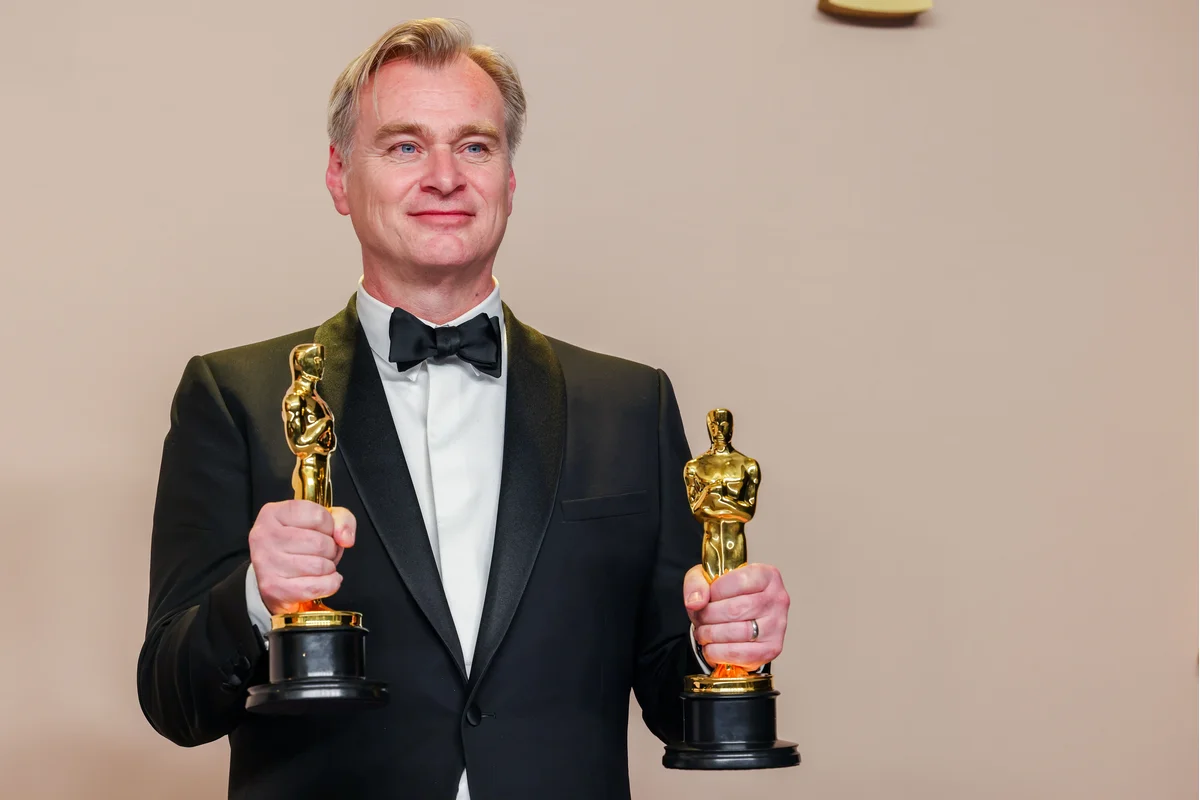
Christopher Nolan, known for his preference for practical effects over CGI, has expressed growing concerns about the rise of artificial intelligence in the entertainment industry. Speaking in the context of Disney’s recent partnership with OpenAI, Nolan highlighted the complex challenges AI presents to filmmakers, especially directors, warning that the technology could affect creative control and financial rights.
Directors Must Maintain Control Over AI Use
In a recent interview, Christopher Nolan emphasized that while protections against the misuse of AI exist, they remain insufficient to fully safeguard directors. He stressed the importance of directors having a say in how AI tools are employed throughout the filmmaking process.
We have excellent protections, but that’s not enough,
Nolan said in conversation with Deadline. Continuing, he explained,
You have to have a voice in how this tool is used moving forward. Also, we like to try and have a voice in, what’s the legal framework? Because we generally aren’t the copyright holders of our work, but our income, our residuals, depends on the appropriate monetization of those copyrights. So we’re constantly in dialogue with the companies about, are you maximizing the value of the work that we’ve created? Because we do benefit from that enormously.
AI’s Potential Benefits Tempered by Uncertainties
Despite his reservations, Nolan acknowledged that AI could bring positive advancements to the film world. He pointed to Disney’s licensing agreement with OpenAI as a constructive example that sets a precedent for responsible use of AI in the industry.
For example, the deal Disney did with OpenAI. I see that as a positive in terms of establishing the principle of licensing,
Nolan remarked. However, he remains cautious about how and when these licensing agreements will translate into real benefits for creative professionals.
The filmmaker noted ongoing uncertainty over the distribution of AI-generated revenues to union members across the industry’s major guilds.
How that’s going to be paid through to the union members of all three unions, which, at the moment, we don’t know what that’s going to be. When these companies will have the support of the deals is when they’ve shown how creatives are going to benefit from those kind of licensing opportunities.
AI-Driven Advertising Raises Creative Concerns
Nolan also expressed unease about the growing use of AI by streaming platforms to insert advertisements dynamically during movie streams. He warned that while the decision may appear to be purely commercial, it carries significant implications for creative integrity and artistic rights.
It might seem like a simple business decision, but it has creative rights impacts, huge ones.
Shaping Legal Frameworks to Protect Filmmakers’ Interests
As the newly elected President of the Directors’ Guild Foundation, Nolan underscored the urgent need to help establish legal standards for companies developing AI technologies like OpenAI. He highlighted concerns about the influence of these companies, especially if they evolve into dominant distribution platforms.
But beyond that, it’s like, ‘Okay, if they’re becoming distribution platforms, how will they manipulate? How can we have a voice in ensuring the things that we’re passionately dedicated to on the creative side?’
Nolan’s cautious stance on Christopher Nolan AI concerns reflects an anxious and cautious outlook on the rapid integration of new technology within filmmaking. His warnings indicate that the industry must navigate these changes carefully, balancing innovation with the protection of artists’ rights, creative expression, and fair compensation.
Related semantic context: related coverage · external reference.
