
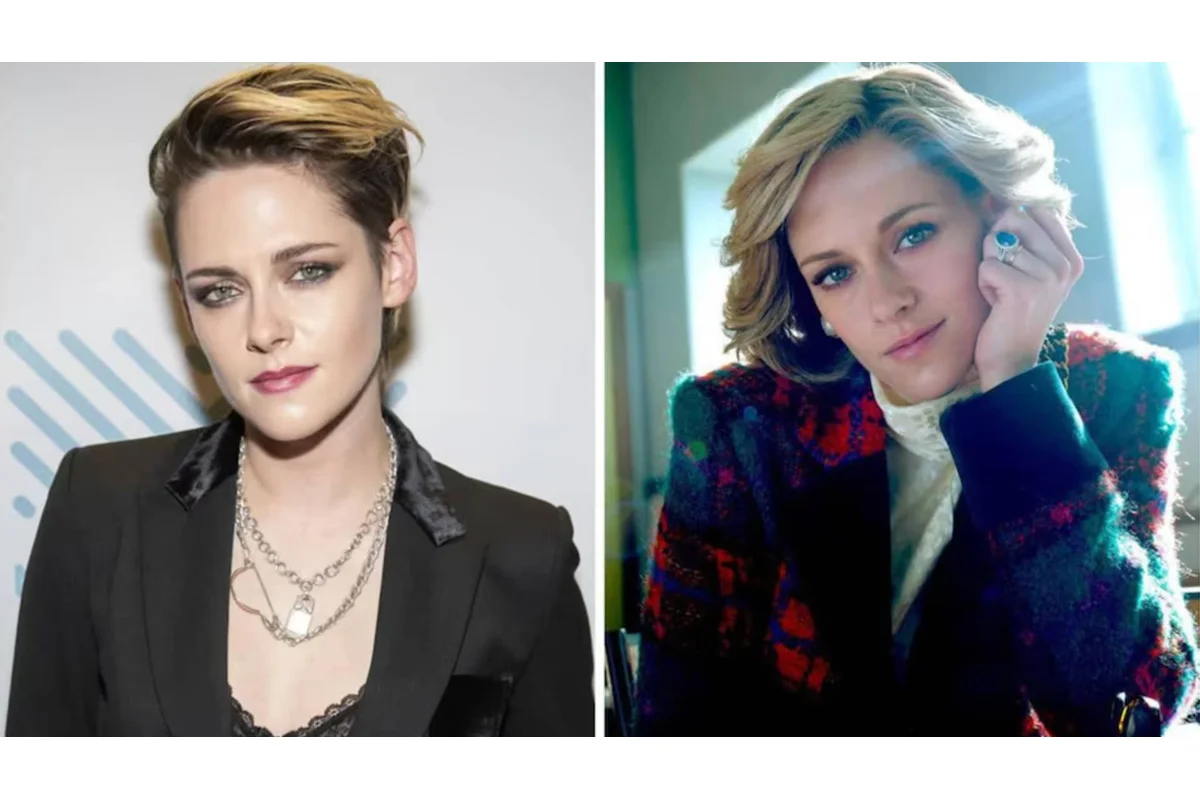
Oscar-nominated actress Kristen Stewart has expressed serious thoughts about leaving the United States, citing the political atmosphere during Donald Trump’s second term as a major obstacle to her freedom and creativity. She described her experience in the US as deeply unsettling, suggesting that the country’s environment has become so volatile it feels as if “reality is breaking completely.”
In an interview with The Times of London, Stewart revealed her discomfort with remaining in her home country, stating plainly that she likely will not continue to base herself in the US. She pointed out that working freely has become impossible amid the prevailing conditions, indicating profound frustration that affects both her personal and professional life as an artist.
Restricted Artistic Expression During the Trump Years
Stewart identified the Trump era not only as a source of political disagreement but as a period that has reshaped everyday life in ways that feel restrictive and oppressive, especially for creatives like herself. She underscored the challenge of operating freely in an environment distorted by divisive politics and cultural shifts.
“Reality is breaking completely under Trump,”
Stewart remarked, highlighting the fracturing nature of the current sociopolitical landscape and its impact on artistic freedom.
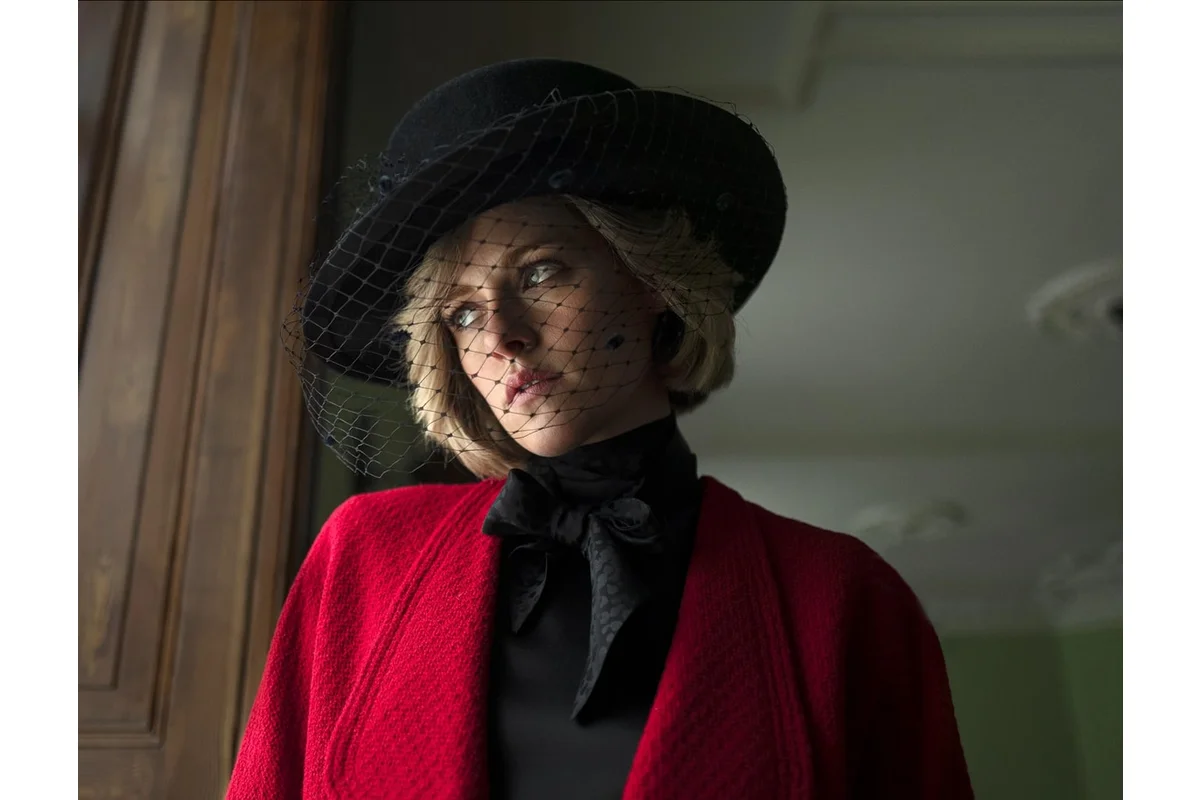
The star of the film Spencer noted that the shift in culture has moved beyond political differences to directly threaten her ability to create films under her own terms, framing her desire to leave as a response to this constriction.
Potential Destinations for a Fresh Start in Filmmaking
Europe stands out as a likely destination for Stewart’s next chapter, reflecting her affinity for independent cinema and international collaborations. She conveyed a strong wish to relocate to regions where film production feels more open and cooperative, aiming to foster creativity without the constraints she feels in the US.
“Create the reality we want to live in,”
she explained, emphasizing the power of film to shape society’s perception and experience.
Stewart’s strategy involves producing movies abroad while maintaining a connection to American audiences, even if it means presenting her work with deliberate defiance.
“Shove them down the throat of the American people,”
she declared, expressing determination to keep her voice heard despite challenges at home.
Others in Hollywood Also Responding to Political Climate
Kristen Stewart’s views resonate widely within the entertainment community, where other notable figures have also chosen to move away from the US during and after the Trump presidency. Celebrities like Ellen DeGeneres and Portia de Rossi have relocated to the United Kingdom, Rosie O’Donnell has opted to live abroad, and James Cameron has made New Zealand his home, citing the changes as essential for his mental well-being.
Stewart’s unease is also deeply personal, shaped in part by Trump’s public remarks about her relationship with actor Robert Pattinson in 2012, comments she found strangely obsessive and invasive.
While no fixed timeline has been set, her openness about departing the US highlights a growing trend among creative professionals who feel the political and cultural environment is no longer conducive to their freedom or sanity.
Implications of Stewart’s Decision on American Artists and Audiences
Kristen Stewart’s potential departure underscores a broader tension within the artistic community concerning the intersection of politics and creativity. Her desire to escape what she sees as a limiting environment signals that for some, the political landscape has become untenable—not only ideologically but in terms of practical freedom to produce and share art.
If Stewart follows through on her plans, it may encourage other artists to pursue similar paths, shifting parts of the creative industry abroad and potentially challenging American audiences to engage with more international and independent perspectives. This development also raises questions about how political climates influence the cultural output of countries and the movement of talent worldwide.
As Stewart navigates her options, her decision could mark a pivotal moment in Hollywood—a reflection of the larger sociopolitical dynamics changing the way artists live and work in the 21st century.
Related semantic context: related coverage · external reference.
