
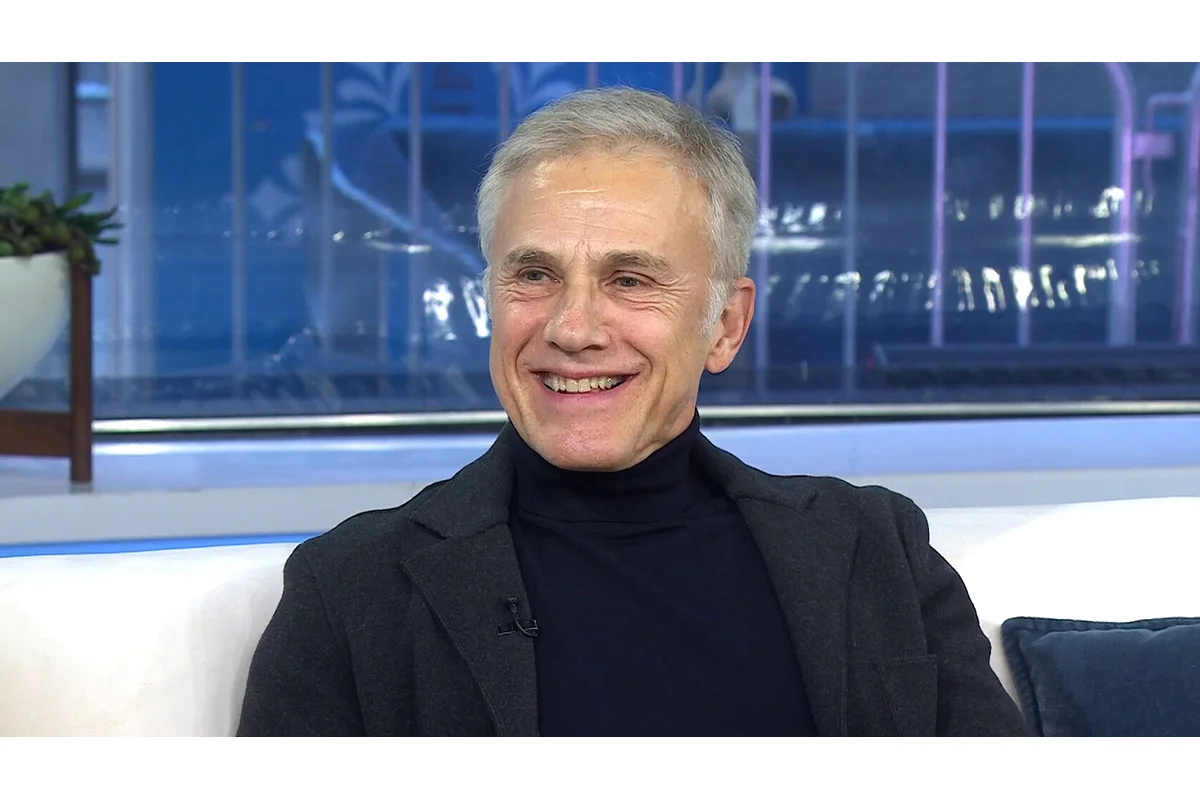
Christoph Waltz recently opened up about his role as a relentless priest in the upcoming Gothic romance film Dracula, directed by Luc Besson. In this Christoph Waltz Dracula Interview, he highlights how the movie offers a fresh perspective on the classic character and story, blending elements of Bram Stoker’s original work with Besson’s unique vision. The film, set for release in the United States on February 6, 2026, follows a 15th-century prince named Dracula, played by Caleb Landry Jones, who becomes an immortal warlord after witnessing his wife’s murder, while Waltz’s priest hunts him in a desperate bid to end his eternal reign.
What Drew Waltz to This Project and Role
Waltz explained that what attracted him to the film was its departure from the usual Dracula portrayals.
“It’s Luc’s Dracula, by usage of elements from Bram Stoker,”
Waltz said, emphasizing that the story is fundamentally Besson’s interpretation rather than just another retelling. This distinction created an opportunity to explore new dimensions within the familiar narrative. Waltz appreciated the collaborative conversations with Besson that shaped the project and allowed his involvement to evolve naturally from discussion to performance.
The actor also expressed appreciation for Besson’s creative additions, such as the “stone gargoyle guys” and a love potion, which added layers of originality to the film. When asked about these gargoyles, Waltz revealed a surprising fact: these were not digital effects but actual acrobats performing live stunts on set, enhancing the film’s authenticity and visual spectacle.
Real Acrobatics Behind the Special Effects
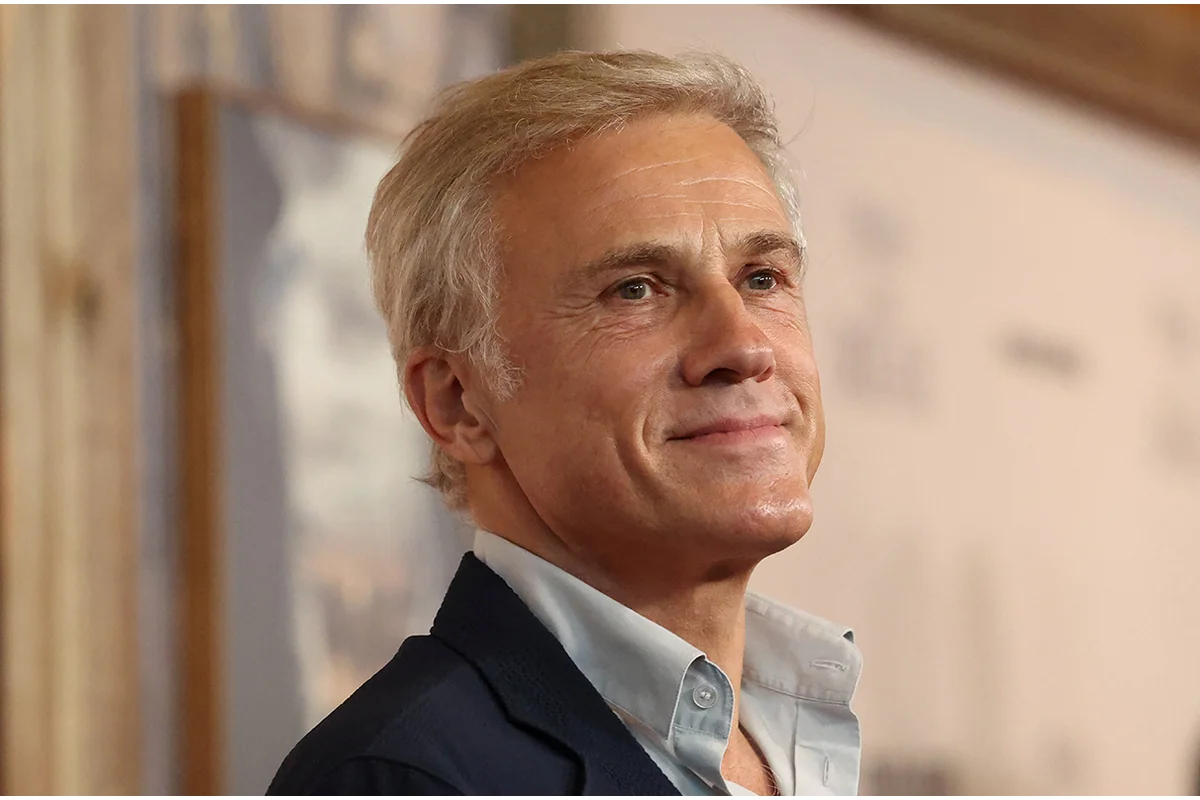
Contrary to modern assumptions about heavy digital reliance, Waltz shared an insider glimpse into the film-making process. The acrobats enacted gravity-defying moves in real time, with performers leaping from ceilings and flipping each other, creating sequences exactly as viewers see them on screen.
“It’s really such a pity that they push that half-expert insider, presumably insider knowledge, onto the audience,”
Waltz said, lamenting that awareness of digital techniques often diminishes the sense of wonder that cinema can deliver. For Waltz, witnessing these live performances during shooting was a powerful reminder of the craft behind the magic.
Delving Into the Priest’s Character
Waltz expressed a deep interest in the process of exploring his character, the Priest. Unlike a straightforward role, the character presented layers worth investigating, making the actor eager to engage actively with the script rather than merely perform what was written. He explained,
“I’m not really… looking for a product that can then just be flipped over into a performance. We should be talking about progress. About the process.”
This philosophy reflects Waltz’s focus on discovery during filmmaking, valuing participation over delivering a finalized outcome.
He highlighted how Luc Besson nurtures this approach by involving actors early in the project’s development to explore and refine scenes together. Though Besson doesn’t allow script rewriting by actors, he encourages experimentation and evaluating moments from different angles to enrich the story. This collaborative method resonated strongly with Waltz and shaped his portrayal of the Priest on screen.
Collaboration with Luc Besson Compared to Other Directors
Having worked with legendary directors like Quentin Tarantino and Guillermo del Toro, Waltz spoke about what distinguishes Luc Besson’s directorial style. Waltz described Besson as a filmmaker who operates without dominating ego, creating a space for collaboration rather than command.
“He has it. He knows how to cinematically direct the rest around himself into that flow,”
Waltz said. This openness allows actors to contribute meaningfully to the creation of material that the director later shapes in editing.
Waltz emphasized how filmmaking is not about producing immediate results on set but about collecting material for the director’s vision to be realized during post-production. This process requires mutual understanding between actors and director, which Waltz found refreshingly ego-free in Besson’s approach. Such dynamics contrast with other directing experiences and were crucial to Waltz’s creative engagement on Dracula.
The Story’s Core: Love, Damnation, and Immortality
The narrative centers on the tormented Dracula, a man cursed with eternal life after cursing heaven itself following his wife’s tragic murder. This eternal existence transforms him into an immortal warlord locked in a bloody crusade to reclaim his lost love. Encountering intense struggle, he faces the Priest—a character embodying unwavering resolve to end the vampire’s reign. The clash between these two figures, portrayed by Caleb Landry Jones and Christoph Waltz respectively, drives the film’s tension and emotional depth.
The official synopsis describes,
“When a 15th-century prince witnesses the brutal murder of his wife, he renounces God and damns heaven itself. Cursed with eternal life, he is reborn as Dracula, an immortal warlord who defies fate in a blood-soaked crusade to wrench his lost love back from death, no matter the cost. On the verge of reuniting, Dracula is hunted by a relentless priest, sworn to end his immortal reign.”
What This Film Means for Dracula Fans and Gothic Cinema
Dracula offers a reimagining of a well-known myth that honors its literary roots while injecting fresh narrative elements and dynamic visuals. The movie’s release in early 2026 positions it to captivate audiences familiar with Gothic tales and vampire lore, delivering a compelling mix of romance, horror, and action. The authentic stunt work, combined with Besson’s distinctive storytelling and Waltz’s nuanced performance, signals a project aimed at redefining expectations around the Dracula legend.
For fans and newcomers alike, this film promises an intense cinematic experience driven by complex characters and a rich atmosphere. Waltz’s reflections on the creative process and the film’s innovative aspects underscore the production’s dedication to craftsmanship and collaboration, suggesting a work that respects the audience’s desire for both entertainment and emotional engagement.


Related semantic context: related coverage · external reference.
