
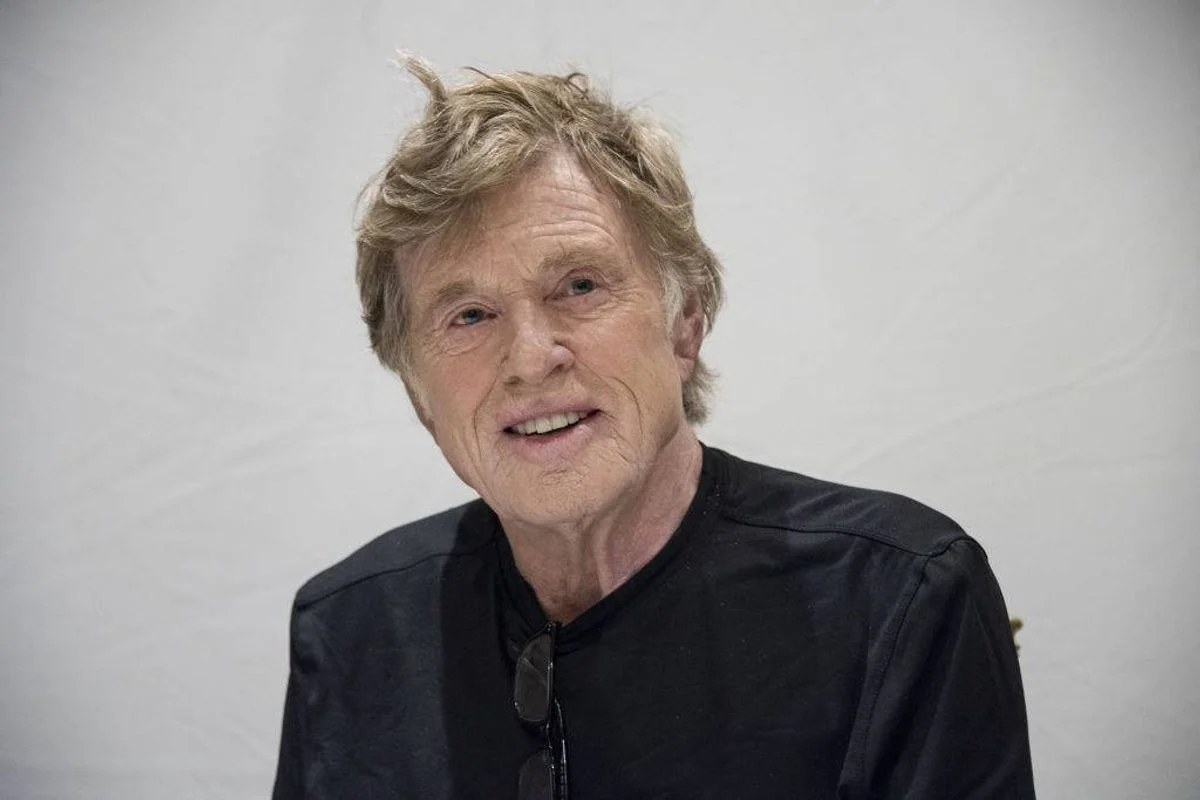
BORMIO, Italy — Long before Bode Miller carved his rebellious path in skiing history, a fictional athlete named David Chappellet, portrayed by Robert Redford in the 1969 film Downhill Racer, captured the spirit of American downhill racing. The movie, set against the European alpine ski circuit, introduced audiences to a determined and unconventional U.S. ski team competitor rising from Idaho Springs, Colorado, who steps up to replace an injured teammate and ultimately becomes an Olympic champion. Decades later, the story still drives the ethos of American downhill skiers competing on the world stage.
The character of Chappellet has transcended fiction to become a symbol held in high regard among American downhill racers, representing their grit and underdog mentality in a sport largely dominated by Europeans. The film’s raw filming style and scenic backdrops, including iconic World Cup venues such as Kitzbühel in Austria and Wengen in Switzerland, lend a realism and nostalgia that continue to resonate with athletes today.
U.S. Skiers See Their Own Ambitions Reflected in the Film’s Protagonist
Current U.S. skier River Radamus, competing in his second Olympics at the Milan Cortina 2026 Games, deeply connects with the film’s portrayal of striving for excellence.
“The movie encapsulates the pursuit of excellence that we’re trying to accomplish and it exudes such an aura around what we do,”
he said.
“I love that movie. That’s part of why I wanted to do what I do today.”
Radamus’s words highlight the lasting cultural impact of Robert Redford’s portrayal and the movie’s influence on generations of American ski racers.

Directed by Michael Ritchie, known for films like Fletch and The Bad News Bears, Downhill Racer was adapted from Oakley Hall’s novel. It centers on the complex dynamic between two characters: Chappellet, the fiercely independent athlete pushing his own limits, and his focused U.S. ski coach, played by Gene Hackman. Both Redford and Hackman left an enduring legacy through their roles before their deaths in 2025.
Real-Life Inspirations Behind the Fictional Characters
Redford’s character likely drew traits from several key U.S. ski personalities of an earlier era. Elements of Billy Kidd’s trailblazing success alongside Jimmie Heuga as the first American men to earn Olympic Alpine medals in 1964 seem evident. Traits reminiscent of Vladimir “Spider” Sabich, whose life tragically ended in 1976, and Wallace “Buddy” Werner, who died in an avalanche at age 28 in 1964, also appear woven into the narrative. These athletes set the stage for later stars like Bode Miller, who made headlines for his defiant, individualistic style similar to Redford’s Chappellet.
Bill Marolt, a former U.S. skier from the 1960s and later influential coach and administrator, recalled seeing the film’s premiere and how it portrayed the U.S. ski team with both authenticity and some Hollywood dramatization.
“It just brought back a lot of memories of what had gone on,”
Marolt said.
“Movies always take some liberties, but the bottom line, the message was pretty accurate and pretty clear.”
His reflections confirm the film’s role in capturing the competitive spirit and lifestyle of downhill racers.
Behind the Scenes: Authentic Skiing and Friendship on the Slopes
The movie opens with a story device where a racer named Tommy Erb crashes badly, creating a gap for Redford’s Chappellet to enter the scene. Tommy Erb was played by Joe Jay Jalbert, a collegiate and U.S. skier who also served as Redford’s stunt double for the demanding downhill skiing sequences. Before the film, Jalbert had just graduated from the University of Washington and was working in construction when he received an unexpected offer from Redford’s attorney to join a ski racing movie.
“Literally in less than two months I’m on a plane to Wengen, Switzerland,”
Jalbert said, describing his swift shift into the film world.
“That’s where I first met Bob.”
Their friendship blossomed beyond the set, as they skied together long after filming ended. Jalbert praised Redford’s skiing ability:
“Bob was an advanced skier, absolutely.”
Aside from acting, Redford was also known as the founder of Sundance Mountain Resort and the Sundance Film Festival, supporting independent filmmakers in Utah.
Jalbert contributed heavily to the film’s realistic skiing scenes by hauling a heavy camera down slopes at high speeds and taking numerous wipeouts as Redford’s stand-in. Reflecting on his experiences, Jalbert remarked with a smile,
“Once a downhill racer, always a downhill racer.”
His time on the set launched a prolific filmmaking career encompassing over 800 productions and earned him induction into the U.S. Ski Team Hall of Fame.
Olympic Successes and Ongoing Influence on Today’s Skiers
Only a few Americans have captured Olympic gold in the downhill, including Bill Johnson in 1984 and Tommy Moe in 1994, while Lindsey Vonn remains the lone U.S. woman to win the downhill at the Winter Games in 2010. For skiers like Ryan Cochran-Siegle, a 2022 Olympic silver medalist in the super-G, Downhill Racer was formative.
“Movies that make a lasting impression, they hold so much truth to the real world,”
Cochran-Siegle said.
“As an American speed racer, there’s so much of that underdog mentality in going over to Europe and being away from home, trying to still be the best in the world.”
Steven Nyman, a retired U.S. downhill skier who grew up near Sundance, Utah—Robert Redford’s home—also recalls how the film served as a rallying point for the team. Before racing in Wengen, teammates would watch the movie for motivation, inspired by an idea from former teammate Daron Rahlves, winner of nine World Cup downhill races including the prestigious Hahnenkamm race in 2003. Nyman said,
“Redford really tells a great story about the life of a ski racer. It ended up being something similar to my life.”
Personal Encounters Highlight the Film’s Enduring Legacy
Daron Rahlves shared a memorable story about sitting next to Robert Redford on a flight to San Francisco.
“I introduced myself and we talked about ‘Downhill Racer,’”
Rahlves recalled.
“He remembered so many things about that experience. He was like, ‘Have you ever raced the Hahnenkamm?’ I told him, ‘Yeah, I actually won it.’”
Rahlves smiled recounting Redford’s response:
“He just gave me a high-five. That was a good moment.”
Such moments underscore the ongoing impact of the film and Redford’s role in shaping the perception and spirit of American ski racing. As the Milan Cortina Games continue, Robert Redford’s Downhill Racer remains a powerful influence for U.S. athletes who see their own dreams and challenges mirrored in the story of David Chappellet.
Related semantic context: related coverage · external reference.
