
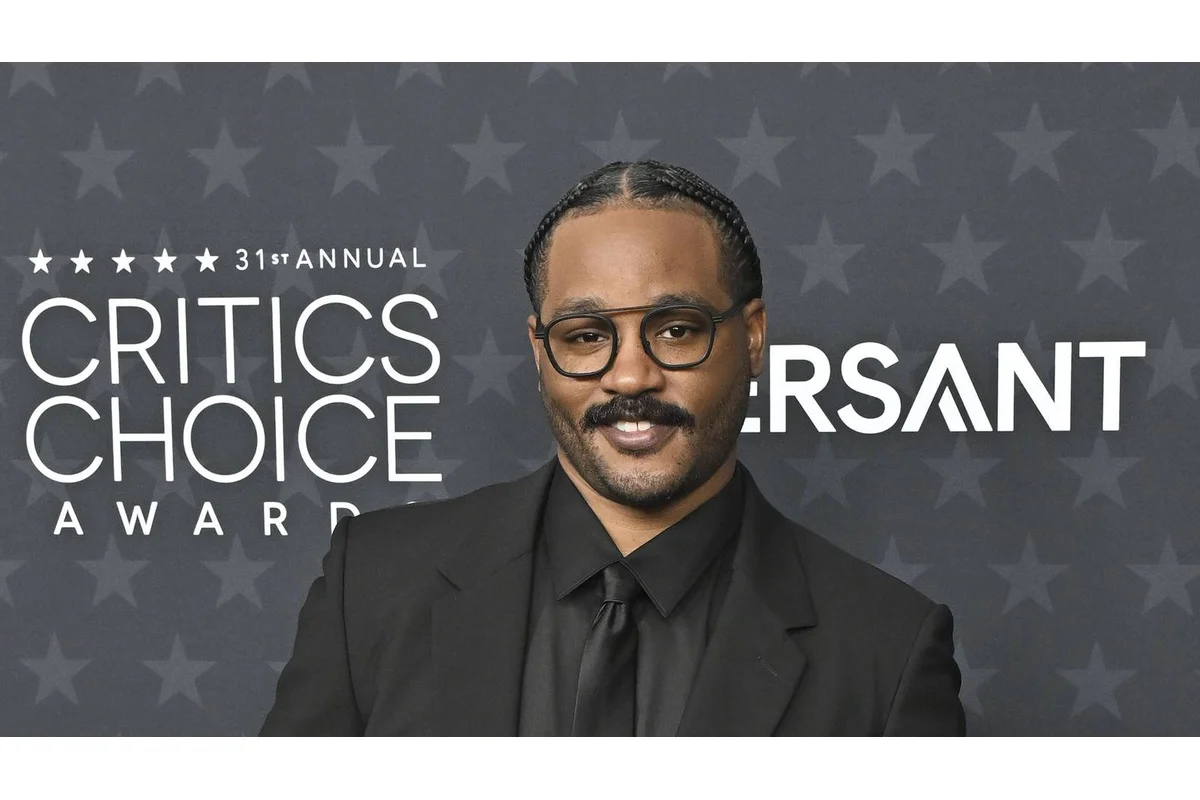
Ryan Coogler is the primary entity for this article, supported by Ai topic context.
Related WII context: related keeper article. External authority context: industry context.
Filmmaker Ryan Coogler has publicly expressed gratitude for the Directors Guild of America’s (DGA) healthcare benefits as critical union negotiations approach, emphasizing how essential these provisions are in uncertain times. Speaking at the DGA awards, Coogler highlighted the importance of healthcare coverage for union members, referencing his personal experience with his son’s health as a poignant example.
Ryan Coogler Highlights the Value of DGA Healthcare
During his acceptance moment at the DGA awards, where he received a medallion from actor Michael B. Jordan, Coogler shared a heartfelt statement about the role of the DGA’s healthcare support. He noted the anxiety he felt attending the event while his wife, producer Zinzi, stayed home caring for their sick son, who is new to parenting challenges.
“I’m extra nervous today, because my anchor, my life partner, is not here. My wife and producer, Zinzi, is at home with our son, who is fairly sick, and we’re new to the parenting thing,”
Coogler said.
He remarked on the pride he felt holding both his DGA membership card and his insurance card, which garnered strong applause from the audience.
“He’s going to be good. But I’ve got to tell you, this past week, this past year, I’ve never been prouder to have one of these, and never been prouder to have one of these.”
Coogler Addresses Current National Crisis Through Personal and Historical Lens
Coogler invoked the term “domestic carnage” to describe the turbulent state of the country, suggesting that the government’s failures have contributed to this turmoil. He linked the importance of union solidarity and healthcare access to the struggles faced by many, especially those without sufficient means.
“They would shut the porch down whenever they saw any kind of domestic carnage, like we’re experiencing right now, at the hands of our government,”
Coogler remarked.
He acknowledged the relatively privileged position of studio filmmakers who can shoulder hospital costs compared to many union members who could not manage such expenses. Coogler expressed enduring gratitude to the guild despite acknowledging its historically flawed past.
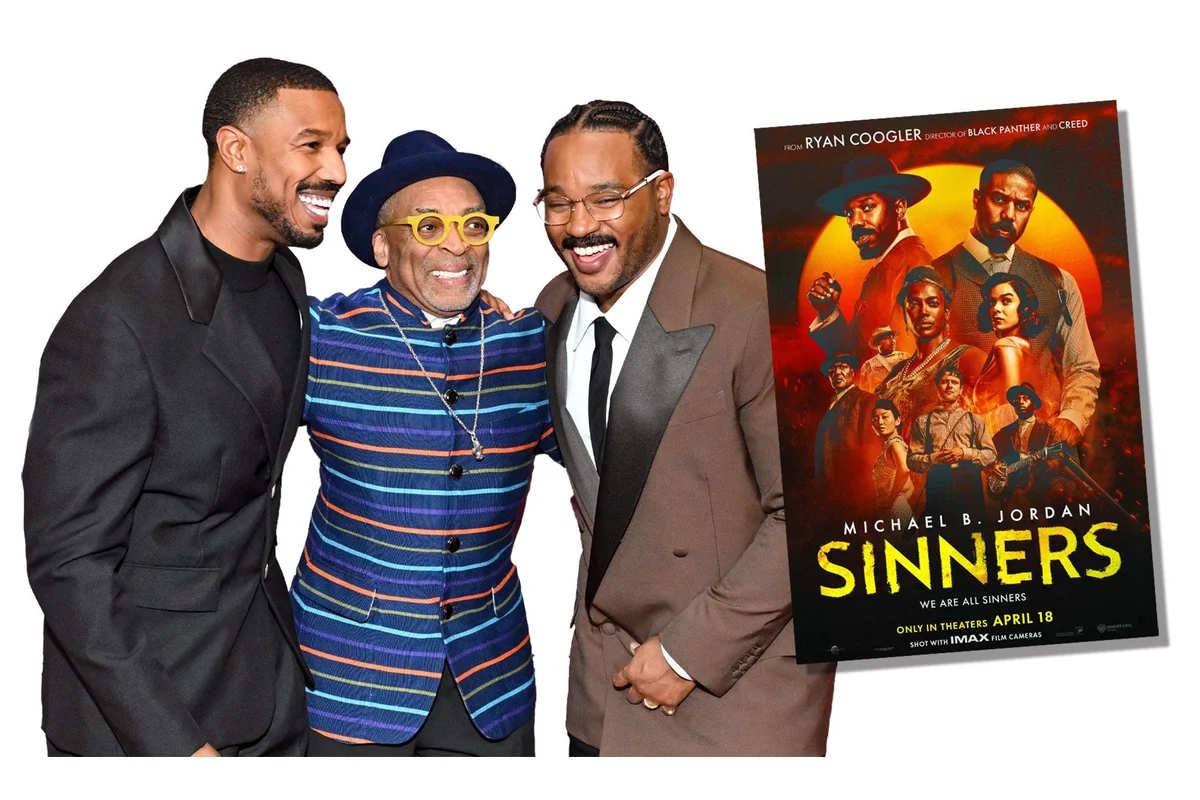
“As studio filmmakers, you know, we can probably afford the hospital visits. It’s a lot of membership who wouldn’t be able to so I’m forever grateful to to to the guild — for all its flawed history, you know what I mean? I’m very proud that we take care of each other.”
Context on DGA’s Past and Kumail Nanjiani’s Comments
Coogler’s reference to the guild’s complicated history appears linked to remarks made by award host Kumail Nanjiani during the event. Nanjiani spotlighted the previous association of the DGA’s Lifetime Achievement Award with D.W. Griffith, a director infamous for the racist 1915 film Birth of a Nation, which glorified the Ku Klux Klan.
“I did find out that the Lifetime Achievement Award used to be known as the DW Griffith award, named after the director who, in 1915 made a movie called Birth of a Nation which glorifies the Ku Klux Klan as a heroic force that maintains white supremacy. It has been called the most reprehensibly racist film in Hollywood history. So of course, we have to change the name of the award as soon as we could, which was 1999. Because until 1999 we were like, ‘KKK? Let’s see how things play out?’ They changed the name of these at the 51st DGA awards. It’s the first time something has turned 51 and gotten less racist.”
— Kumail Nanjiani, Host
Personal Heritage and Union Legacy Influencing Coogler’s Perspective
Coogler shared how his own family history deeply connects to his pride in being part of a union. He described his grandfather, a Mississippi native who physically built his family home in North Oakland, California, and was a committed longshoreman affiliated with the ILWU. His uncle, once a Black Panther, later assumed union roles, supporting the family financially and carrying forward a spirit of revolution within the labor movement.
Coogler described how this family lineage inspired his ambition and respect for organized labor.
“I wanted to be a director since I was 17 and found out what it was. But way before that, I wanted to be a part of a union. My grandfather, who moved from Mississippi and built our house in North Oakland with his bare hands, and died a year before I was born, was a longshoreman in Oakland. He was a member of the ILWU local team. And my uncle, who’s still the oldest family member we have, was a Black Panther. And when the Black Panther suffered the military defeat that they suffered, he took on his father’s job, which was which was godfathered in, as a union policy, and he was able to help my family out with that salary whenever we needed something. And help me get through private schools and assisted me traveling all over the country. And he kept that revolutionary spirit even when he was working with the union as a treasurer.”
— Ryan Coogler
Reflection on Social Justice and Ongoing Struggles
Coogler further reflected on moments of racial injustice and violence, recalling how his uncle and community would respond to such crises. He referenced the 2009 police shooting of Oscar Grant III, underlining the collective refusal to tolerate injustice, which he sees mirrored in current national troubles.
“They would shut the porch down when Oscar Grant was murdered [Oscar Grant III, an unarmed 22-year-old Black man, who was shot dead by police in 2009]. They would shut the porch down whenever they saw any kind of domestic carnage, like we’re experiencing right now, at the hands of our government; international carnage like we’ve been seeing over the last last few years. And I always looked up to him. I always wanted to be a member of a union, and I’ve got to thank the DGA for accepting me.”
Coogler’s statements during this high-profile event underscore the vital role the DGA’s healthcare system plays for its members amidst broader societal challenges. As negotiations over union healthcare loom, his remarks bring attention to the union’s responsibility in protecting its members during times of both personal and national crisis.
