
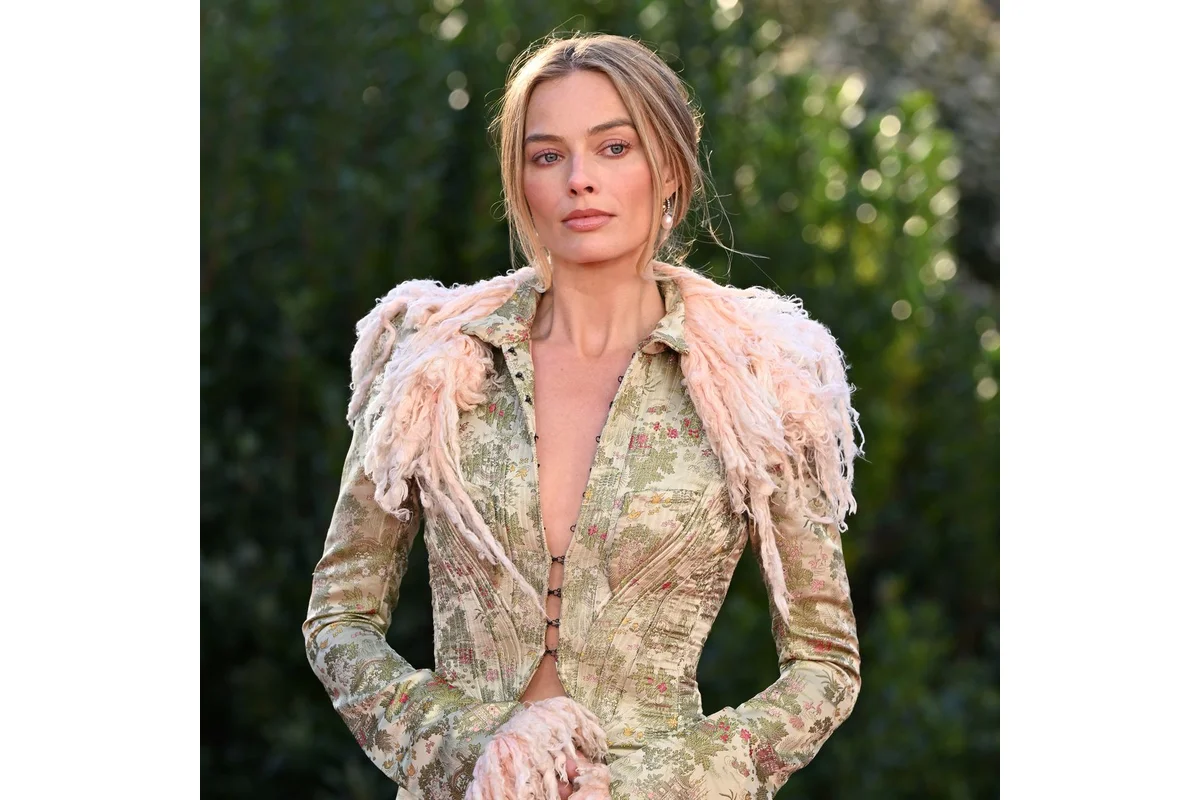
Margot Robbie’s electrifying portrayal of Cathy in Emerald Fennell’s latest adaptation of Wuthering Heights, released on February 13, plunges audiences into a daring and provocative retelling of Emily Brontë’s classic novel. Set against the raw backdrop of the West Yorkshire moors, this fresh take boldly explores the turbulent, carnal, and emotional dimensions of the story, reimagined for a contemporary audience while retaining the novel’s intense passions.
An Unconventional and Sensual Reimagining of a Classic
The story of Wuthering Heights, first published in 1847, has seen over 20 film adaptations worldwide, spanning English, American, and various international versions set in France, Japan, Mexico, India, and the Philippines. Directors as diverse as Jacques Rivette, Luis Buñuel, and Kijū Yoshida have tackled the tale, each bringing unique cultural perspectives. Emerald Fennell’s adaptation stands out for its unapologetically sensual and colorful approach, departing from traditional gothic tones and the austere settings usually associated with the narrative.
Unlike numerous earlier renditions that softened the story by placing it in sunny Californian locales—for instance, the MTV and Lifetime’s “Wuthering High”—this film embraces the volatile, tempestuous spirit of the original moors, albeit with a vivid palette and modern flair. Fennell’s film is a “bodice-ripper” in every sense, blending pulpy romance with tragic overtones, targeting the “Bridgerton generation” with its sultry energy and raw emotion.
The Complex Dynamics of Cathy and Heathcliff
Margot Robbie’s portrayal of Cathy Earnshaw captures a character torn between fiery desire and emotional vulnerability, embodying the intoxicating and often destructive love at the story’s heart. She shares a complex and fraught relationship with Jacob Elordi’s Heathcliff, a foundling raised alongside her by her father Mr. Earnshaw, played by Martin Clunes. Their bond evolves from childhood games into a magnetic, volatile passion shadowed by social hierarchies and personal torment.
Though the novel’s racial and class tensions are subtly downplayed in the film, the original text’s depiction of Heathcliff as a “dark-skinned gipsy” and “little Lascar”—terms referencing South Asian sailors historically trafficked in England—speaks to its underlying imperialist themes and the stigmatization of “the other.” Liverpool’s history as a slave-trading port during the story’s timeframe underscores these shadowed elements, which Fennell’s adaptation largely sidesteps to focus more on the universal aspects of love and obsession.
Balancing Raw Passion With Social Ambitions
The film dives deeply into Cathy’s inner conflict, balancing her lustful pull toward Heathcliff with her pragmatic desire for social security, embodied by Edgar Linton, played by Shazad Latif. Edgar, the wealthy and kind neighbor, represents stability and refinement, creating a heart-wrenching love triangle. Alison Oliver’s Isabella Linton adds further complexity, depicted with a mix of sharp wit and vulnerability that hints at manipulation and survival in a rigid class structure.
Fennell does not shy away from portraying the darker facets of the relationships, including Heathcliff’s cruelty and abusive tendencies, especially toward Isabella. A scene echoing the infamous line
“Do you want me to stop?”
evokes the manipulative sexual power plays reminiscent of Dangerous Liaisons, illustrating the pervasive toxicity within these passions. However, the director emphasizes the overwhelming romance and emotional intensity rather than the psychological torment alone.
Memorable Performances and Cinematic Boldness
Leading the cast, Robbie’s Cathy is a volatile force, weaving recklessness and profound sorrow with fearless sensuality. Jacob Elordi’s Heathcliff commands attention as a tormented soul whose love fuels both madness and destruction. Supporting roles from Martin Clunes as the erratic Mr. Earnshaw, Shazad Latif’s nuanced Edgar, and Alison Oliver’s cleverly portrayed Isabella enrich the narrative. Hong Chau’s Nelly emerges as a quietly powerful figure, her steadfast yet ambiguous loyalty reflecting the film’s layered exploration of class and affection.
The visual and auditory elements heighten the film’s mood dramatically. Linus Sandgren’s cinematography captures the moors’ wildness alongside brilliantly vivid production design by Suzie Davis and Jacqueline Durran’s elaborate costumes, which range from period-accurate period pieces to bold, metallic reds and eye-catching modern touches. Anthony Willis’ musical score, interwoven with Charli XCX’s original songs, elevates both the tragic and romantic moments with a contemporary heartbeat.
Capturing the Spirit of a Frenzied Love Story
Emerald Fennell’s direction boldly embraces excess and intensity, inviting viewers into a world that refuses restraint and convention. The film’s pacing and style fluctuate between moments of melodrama and clever homage to classic English literature influences, echoing Austen and Dickens alongside Brontë. This layered intertextuality offers fans of the novel and casual audiences a fresh way to engage with the story’s timeless themes.
Despite eschewing the novel’s explicit racial and colonial commentary, the adaptation delivers a potent meditation on desire, power, and denial. Robbie’s Cathy, at times reminiscent of Shakespeare’s Katherina from The Taming of the Shrew, navigates power dynamics within intimacy, while Elordi’s Heathcliff embodies both abusive rage and heartbreaking vulnerability, maintaining the difficult balance that defines their partnership.
What This Adaptation Means for Audiences and Future Retellings
Margot Robbie Wuthering Heights offers a turbulent, intense experience that will resonate especially with viewers drawn to stories of passionate, if flawed, love. Its release during Valentine’s Day weekend positions the film as both a commercial and artistic statement, refusing the sanitized versions of classical literature often offered to mainstream audiences. Emerald Fennell’s unapologetic vision may spark renewed interest in Brontë’s work, while also challenging spectators to grapple with the darker implications that the story carries.
The vivid performances and bold design signal a new wave of literary adaptations willing to blend traditional narratives with contemporary sensibilities, inviting emotional immersion and complex character study over historical accuracy or strict adaptation. For fans of the novel and newcomers alike, this Wuthering Heights stands as a striking addition to the legacy of a story restless with unfulfilled desires and fierce, undying love.
Related semantic context: related coverage · external reference.
