
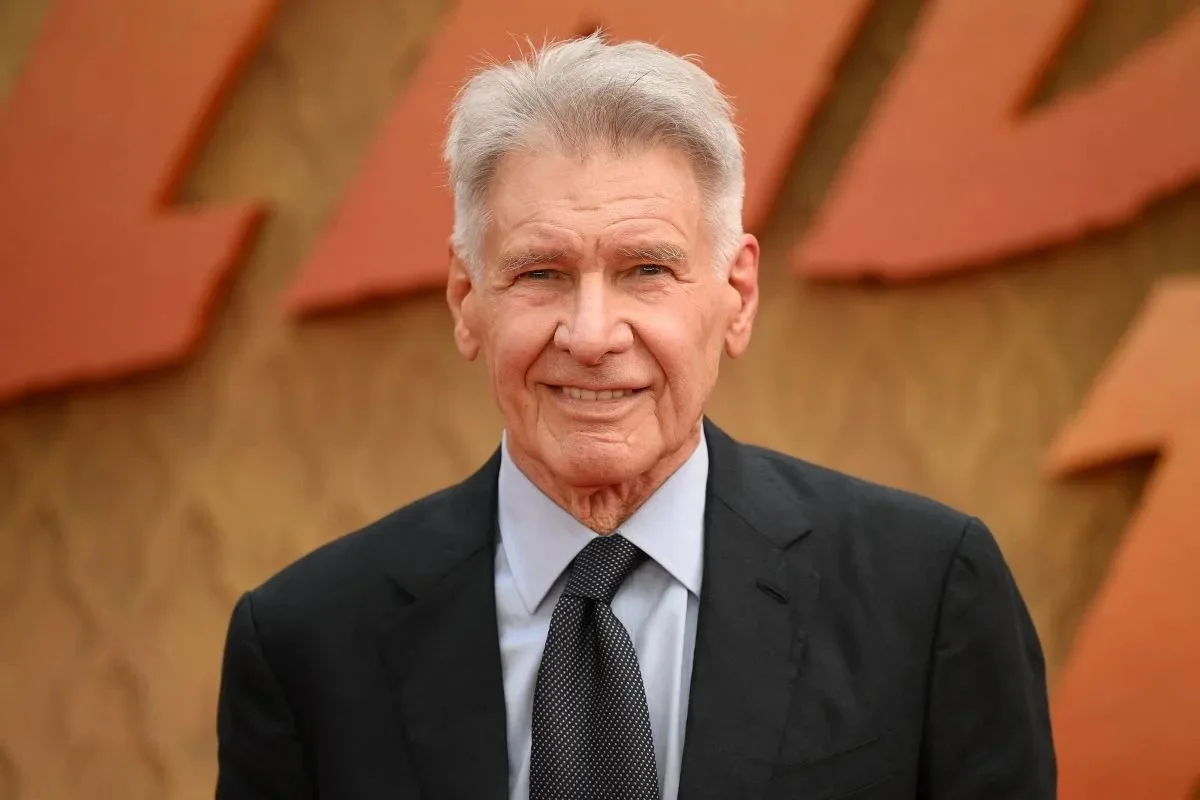
Harrison Ford has publicly condemned what he describes as his most pointless movie, reflecting on his experience with a role that left him disconnected and frustrated. The actor, best known for his iconic portrayals of Han Solo and Indiana Jones, shared these thoughts following his participation in the film Force 10 from Navarone, revealing why he regards it as a major misstep in his career.
Ford’s Early Career Risks and the Drive for Romantic Roles
Throughout his extensive career, Harrison Ford has had moments of questionable choices alongside his many celebrated performances. Early in his career, Ford sought to broaden his range beyond his established persona by taking on romantic parts. His involvement in Hanover Street, for instance, stemmed from his desire to add a romantic element to his filmography, which until then lacked such roles. However, this effort proved disappointing, as Ford eventually distanced himself from the movie, refusing to promote or discuss it publicly. This one was a rare case of a noble ambition that did not succeed, contrasting sharply with later roles that he has admitted were purely financial decisions.
Financial Necessity Behind Questionable Choices
Following the tremendous box office success of George Lucas’ Star Wars, Ford found himself in an awkward position. Although widely recognized as Han Solo, he realized that relying solely on this fame was not sustainable. His financial situation at that time was not as secure as one might assume, motivating him to accept roles that did not align with his artistic standards. Films such as Cowboys & Aliens, Hollywood Homicide, Paranoia, and The Expendables 3 were among those he took primarily because the paychecks were too attractive to ignore. Yet, these roles left little artistic fulfillment and, in some cases, soured his reputation.
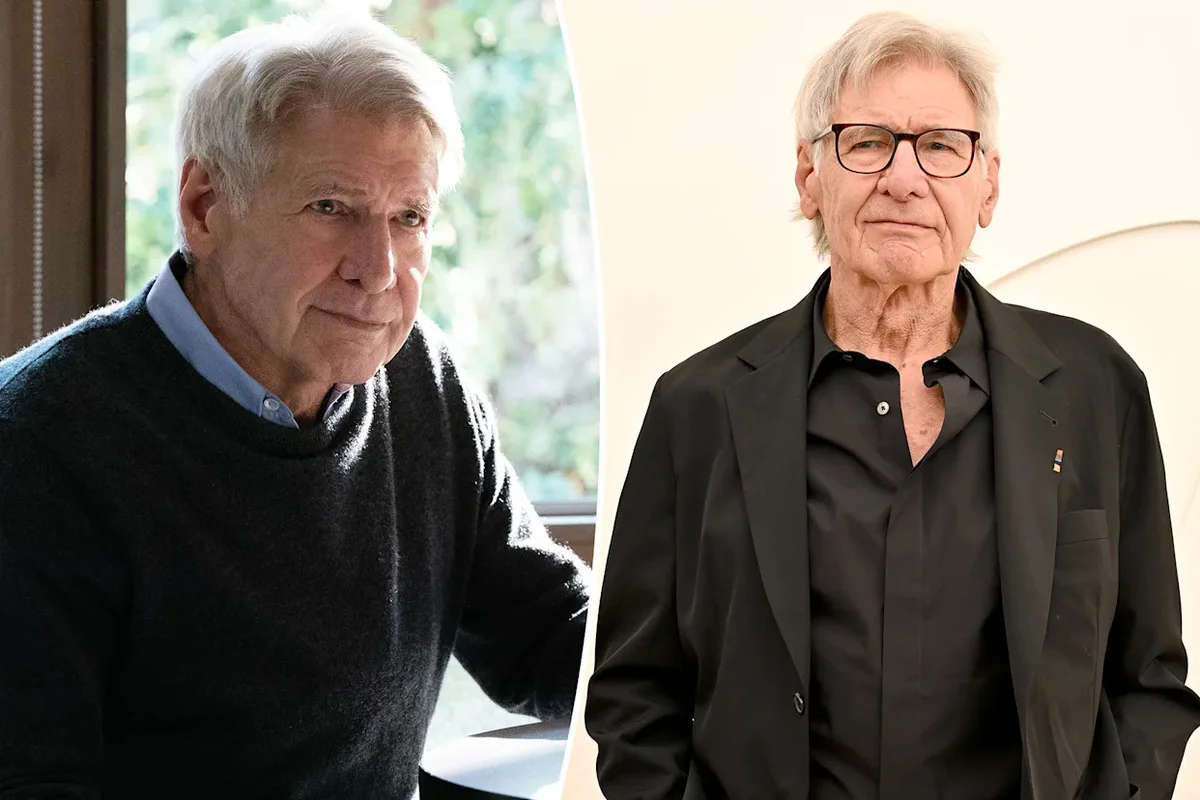
Force 10 from Navarone: The Ultimate “Nothingburger” Role
Among these less successful films, Harrison Ford has been particularly harsh on Force 10 from Navarone. Despite its place as a sequel to a well-known war movie, the film flopped badly, grossing 75% less than its predecessor. Ford described his character, Mike Barnsby, as “the biggest, fattest, juiciest nothingburger” he had ever encountered, expressing deep dissatisfaction with both the script and his part in the production.
I was lost, because I didn’t know what the story was about,
Ford confessed.
I didn’t have anything to act. There was no reason for my character being there. I had no part of the story that was important to tell. I had a hard time taking the stage with the bull that I was supposed to be doing. I can’t do that, and I won’t ever do that again.
— Harrison Ford
Though Barnsby was written as a macho, tough-guy role—a type Ford felt pressured to accept—he recognized early that the character lacked substance or relevance. Ford noted that he agreed to the role partly to remain employed and partly as a reaction to the commercial juggernaut that his Star Wars character had become, feeling somewhat detached from that success.
He knew Barnsby was
“one of those macho, tough-guy parts that everyone thought I should be doing,”
so he did it. Partly to keep himself gainfully employed, and partly
“to objectify the success of Star Wars,”
which he was sure he had nothing to do with, other than playing Han Solo to the best of his abilities.
— Harrison Ford
The Legacy of a Film Ford Would Rather Forget
Force 10 from Navarone stands as a particularly low point in Ford’s filmography, both critically and personally. The actor’s blunt appraisal of the film as a “nothingburger” underscores the frustration that came from participating in a project with little meaningful contribution to story or character development. Its failure at the box office and subsequent fading into obscurity cemented its reputation as the most pointless movie in Ford’s career, a stigma he fully endorses.
This candid reflection by Harrison Ford sheds light on the challenges even legendary actors face in maintaining artistic integrity while balancing financial realities. It also sets a clear boundary for Ford going forward, as he vows not to accept roles that fail to offer a meaningful place in the narrative. For fans and industry observers, his remarks emphasize the importance of purposeful storytelling and the risks actors take when that is missing.

Related semantic context: related coverage · external reference.
