
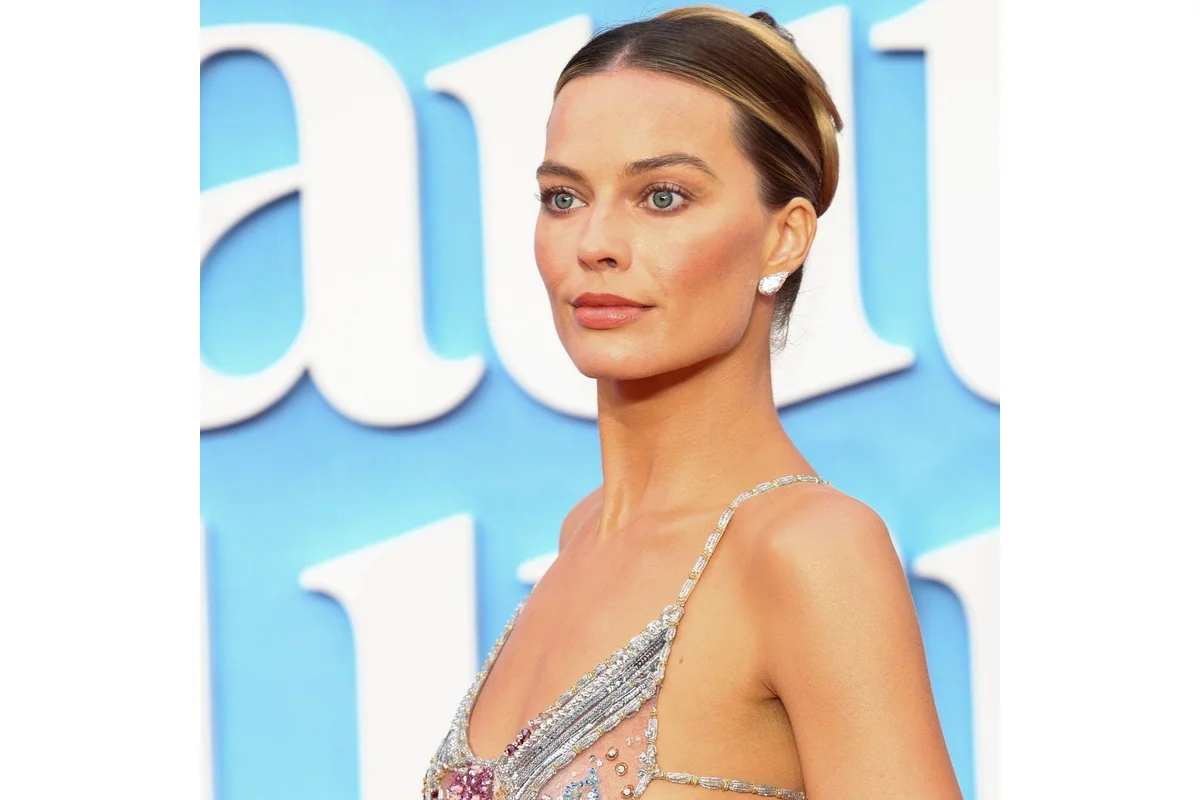
The film Wuthering Heights, directed and written by Emerald Fennell and starring Margot Robbie, was released on February 13, 2026. This latest adaptation of Emily Brontë’s 1847 novel attempts to retell the troubled love story between Cathy Earnshaw and Heathcliff but ultimately fails to resonate with fans, falling short of the emotional depth expected from such a timeless tale. Despite its rich source material and notable cast, the movie struggles to capture the essence that has made the story a classic, leaving audiences unsettled and underwhelmed.
Plot Overview Draws From Brontë’s Iconic Narrative
The story follows Cathy Earnshaw, played by Margot Robbie, and Heathcliff, portrayed by Jacob Elordi, who grows up as an adopted child alongside her. Their youthful bond deepens amid clashes fueled by Heathcliff’s impoverished origins and Cathy’s aspirations to escape her crumbling family home. Cathy’s decision to marry a wealthy neighbor named Linton sets the stage for Heathcliff’s departure and eventual return as a wealthy man. The film’s core tension revolves around whether the two can transcend their differences to confess their love and secure a lasting harmony.
Strengths in Setting and Music Enhance Atmosphere
Despite its flaws, the film skillfully evokes the bleak beauty of West Yorkshire’s moorlands, immersing viewers in a world of noblemen, servants, and simple villagers. Emerald Fennell’s production emphasizes grand landscapes and period details, providing a visually compelling backdrop that reflects the novel’s original environment. Additionally, a modern musical score featuring artists like Charli XCX offers moments of connection, though such elements only briefly lift the film’s overall mood.
Direction and Narrative Fail to Deliver Emotional Impact
Emerald Fennell’s approach to this adaptation takes a superficial route, neglecting the profound emotional complexity that defines Brontë’s work. The film lacks the capacity to evoke genuine feelings of joy or sorrow, resulting in a telling and distant portrayal. Critical moments, such as Cathy’s recital of the famous line,
“Whatever our souls are made of, his and mine are the same,” Margot Robbie
are delivered with little conviction, relying on artificial expressions rather than genuine emotional weight, which diminishes the line’s longstanding significance in romantic literature. The absence of a compelling score or direction during these moments leaves audiences disconnected, failing to convey the story’s harrowing truths.
Flawed Chemistry and Uneven Pacing Between Leads
The second half of the movie sees Heathcliff, now shaved and determined to claim Cathy’s heart, body, and soul. Yet, this portion sours as dialogue overwhelms the scene without equal emotional response, undermining the characters’ bond. While Margot Robbie and Jacob Elordi possess undeniable star power, their on-screen chemistry falls short, feeling less authentic than their interactions during promotional events. This shortfall highlights a missed opportunity to deepen the narrative and fully engage the audience.
Acting Highlights: Child Actors Outshine Main Cast
Cathy’s character complexity demands a nuanced performance, but Margot Robbie struggles to shed her previous role’s persona, lacking the depth of desperation and disdain integral to her character. Jacob Elordi’s portrayal of Heathcliff exhibits moments of intensity through subtle expressions, yet his delivery of the script’s iconic lines remains flat.
Owen Cooper, marking his feature debut, stands out as a remarkable talent. His performances convey profound pain and emotion rare within the film, making his scenes particularly compelling. In fact, the child actors consistently deliver stronger, more convincing performances than their adult counterparts, which may disappoint fans expecting fully realized portrayals from the lead roles.
Anticipated Audience Reception and Long-Term Impact
Though Emerald Fennell’s Wuthering Heights is expected to attract a broad viewership following its release, it seems unlikely that the film will satisfy those seeking a meaningful retelling of Brontë’s novel. The production offers a surface-level narrative, which many may find comparable to tasting a frosted cake only to reject what lies beneath. Fans of the original story and newcomer audiences alike may find themselves disengaged due to a lack of emotional resonance and character depth. Going forward, this adaptation could serve as a cautionary example of how difficult it is to translate enduring literary works into film without losing their profound spirit.
Related semantic context: related coverage · external reference.
