
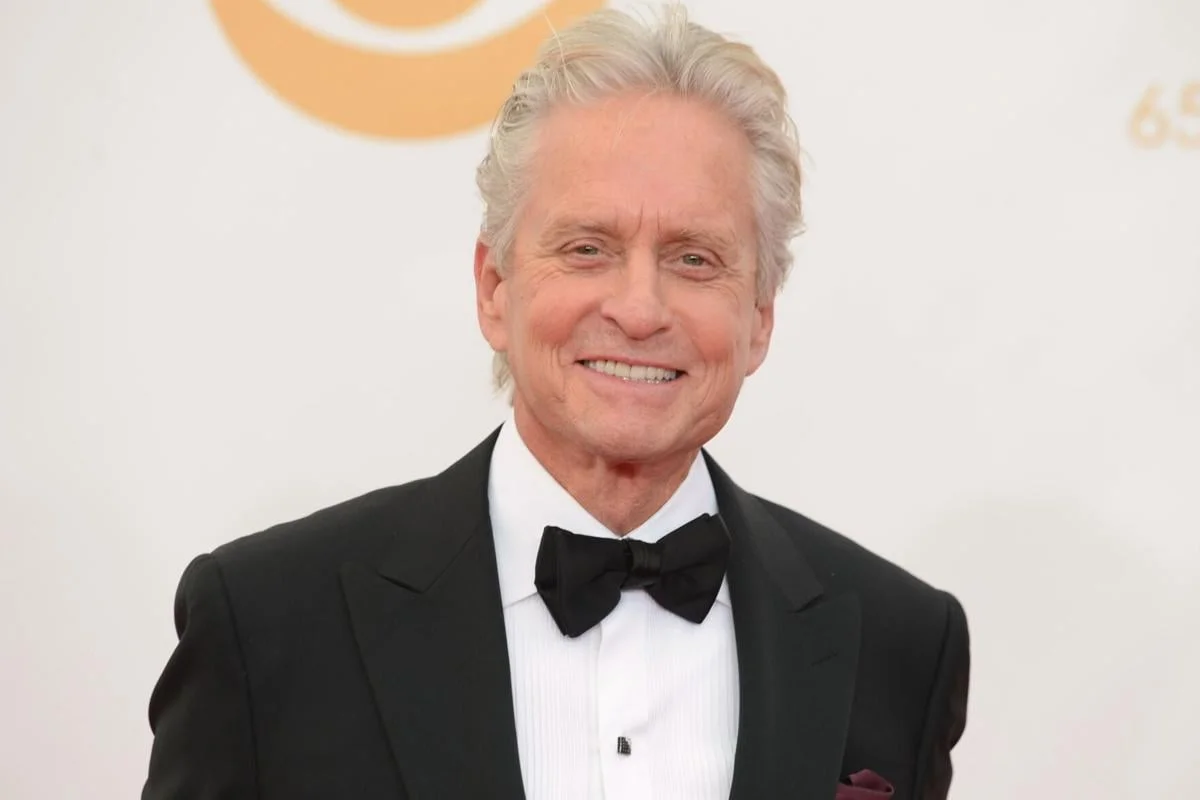
Michael Douglas, a celebrated actor known for his fearless performances, has experienced notable setbacks despite his long-standing success. His career, spanning decades in Hollywood, includes both significant achievements and unexpected failures, illustrating the unpredictable nature of fame. These setbacks, particularly the commercial struggles of some projects, have deeply affected Douglas’ confidence and perspective within the film industry.
The Impact of Family Legacy and Early Roles
As the son of legendary actor Kirk Douglas, Michael began his career with advantages yet forged a distinct path of his own. Initially gaining recognition as a producer, Michael transitioned into an acclaimed actor during the late 1970s and 1980s. His willingness to tackle both prestigious and popular films helped establish his reputation independent of his family name. However, even this lineage could not shield him from industry challenges or box office disappointments.
Box Office Disappointments and Their Effects
Douglas faced notable downturns with films such as The In-Laws and It Runs in the Family, which failed financially despite anticipation. These losses were not entirely surprising due to mixed critical reception, but they still presented difficult moments for the actor. The most painful experience, however, came with the film Wonder Boys, where Douglas portrayed a middle-aged professor mentoring a young prodigy played by Tobey Maguire. Although a critically admired project, its poor box office results struck a blow to his morale.
It was like a punch in the gut and hurt my confidence in terms of understanding what was going on,
Douglas said.
My father’s favourite movie is Lonely are the Brave, which nobody saw when it came out and nobody’s seen since. You always like to believe that, 20 years later, a film like that will become a classic. Nada!
— Michael Douglas
The Artistic Value of Wonder Boys Despite Commercial Failure
Directed by Curtis Hanson, known for acclaimed films like LA Confidential and The River Wild, Wonder Boys offered a nuanced, accessible portrayal of academia and personal growth that resonated beyond elite circles. The film boasted a strong ensemble cast, including Frances McDormand, Robert Downey Jr., Katie Holmes, Rip Torn, and Jane Adams, which added depth and vitality to the story. Critically, it was well received, earning several Academy Award nominations and securing a win for Bob Dylan’s song “Things Have Changed.” Despite this, the film’s underperformance at the box office left Douglas feeling overlooked by both audiences and the industry awards.
Balancing Critical Acclaim and Popular Success
During the 1990s, Douglas became known for playing complex anti-heroes in edgy psychological thrillers such as Basic Instinct, Disclosure, and A Perfect Murder. While these roles brought commercial success, they also limited the variety of parts available to him. Wonder Boys represented a significant shift toward more grounded, character-driven storytelling, but its commercial reception contrasted sharply with his earlier hits. Douglas has reflected on the irony that some of his highest-grossing films, like the Ant-Man sequels, did not garner strong critical praise, highlighting the disconnect between box office success and artistic recognition.
Looking Ahead: The Legacy of Michael Douglas’ Work
Michael Douglas’ career setbacks illuminate the complexities actors face when navigating Hollywood’s demanding landscape. His experience with Wonder Boys reveals how critical acclaim does not always equate to commercial success, yet it can contribute to lasting artistic value. As his diverse filmography continues to influence audiences, there is hope that this particular film, along with his broader body of work, will gain wider appreciation over time for its depth and quality rather than its financial outcome.

Related semantic context: related coverage · external reference.
