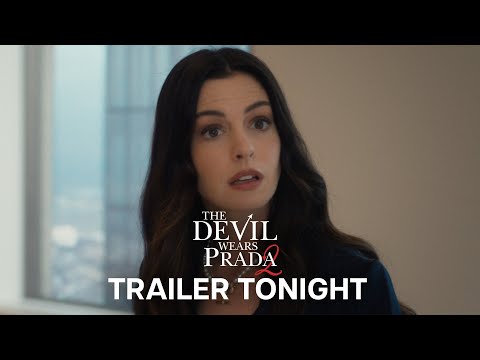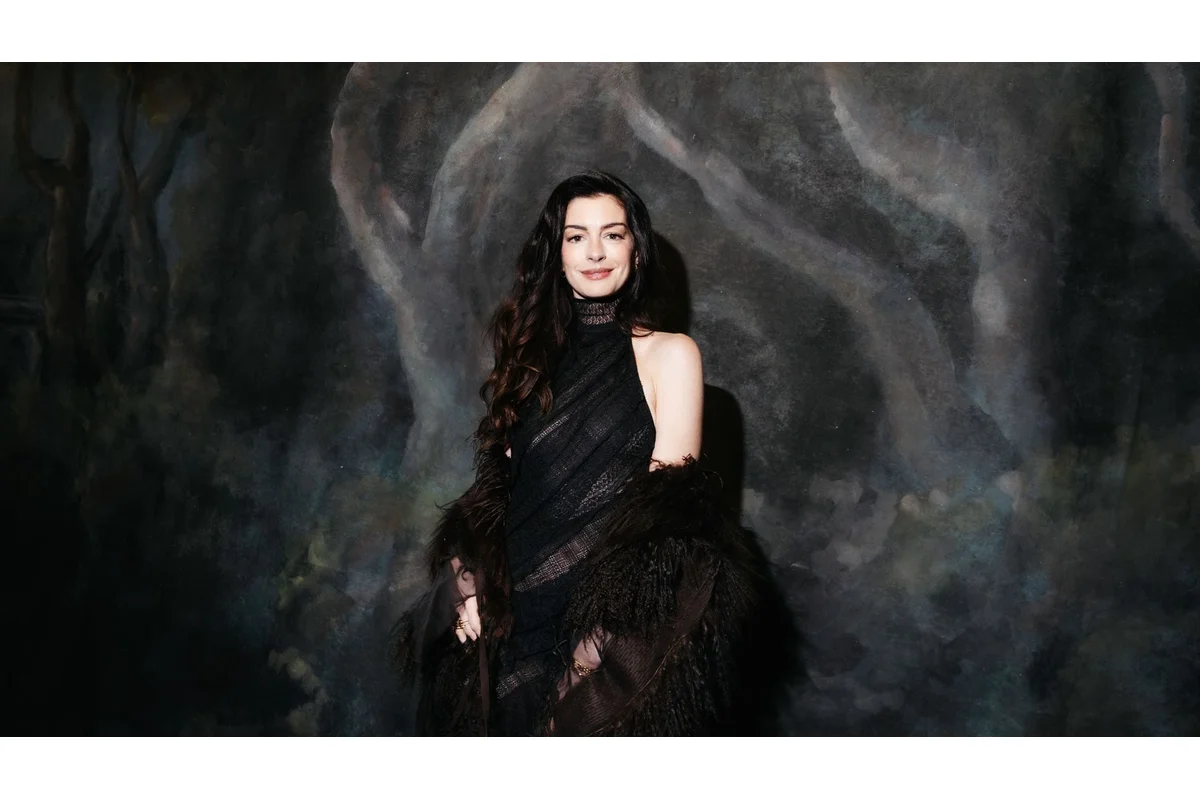
Anne Hathaway is the primary entity for this article, supported by Entertainment topic context.
Related WII context: related keeper article. External authority context: industry context.
The eagerly awaited sequel to The Devil Wears Prada is scheduled to hit cinemas on May 1, 2026, signaling a major cultural event for fans and fashion enthusiasts alike. The announcement surprises many by replacing the original release date set for Marvel’s Avengers: Doomsday, underscoring Disney’s strong commitment to this iconic franchise rooted in haute couture nostalgia. Anne Hathaway, who reprises her role as Andy Sachs, is encouraging fans to embrace the premiere with the same fervor seen in recent blockbuster releases.
Production began quietly in June 2025, with Disney confirming filming had started. Hathaway later shared a first-look photo in July, showing her return to the character that helped define her career. Alongside her, Meryl Streep returns as the formidable Miranda Priestly, Emily Blunt reprises Emily Charlton, and Stanley Tucci is back as Nigel, Runway magazine’s invaluable fashion director. This core ensemble alone ensures significant anticipation and commercial interest.
Expanded Cast and Creative Team Bring Depth to Sequel
The sequel is not a mere reunion; it introduces fresh talent including Kenneth Branagh as Miranda’s husband, which adds new layers to the enigmatic editor’s personal story. Simone Ashley, known for Bridgerton, joins the cast alongside Lucy Liu, Justin Theroux, B.J. Novak, and Pauline Chalamet. Rachel Bloom and Patrick Brammall also appear, while original cast members Tracie Thoms and Tibor Feldman reprise their roles, maintaining continuity within the expanded narrative.
The creative team retains much of the original’s DNA, with Aline Brosh McKenna returning as screenwriter. Director David Frankel is in talks to come back, and producer Wendy Finerman continues to oversee the project, emphasizing that this sequel is a thoughtful extension of the original film rather than a casual spin-off. This careful approach aims to capture the unique mix of glamour and intensity that made the first film a cultural touchstone.
A Shift Toward Miranda Priestly’s Perspective and Industry Evolution
Unlike the original’s focus on Andy’s initiation into the demanding fashion world, the sequel centers on Miranda Priestly as she navigates the declining influence of print media. The film will explore the editor’s personal and professional challenges amid an industry increasingly driven by digital trends and social media. In this setting, Miranda confronts the erosion of her once iron-clad empire by analytics dashboards and TikTok, illustrating the changing nature of power within fashion and media.
This new angle promises a complex portrayal of female authority facing generational and technological upheaval. Miranda transitions from an iconic antagonist to a more nuanced figure contending with a fading era, giving audiences a chance to see her character in a fresh and possibly sympathetic light.
Anne Hathaway’s Call for Fans to Embrace a Fashion Celebration
Anne Hathaway is actively encouraging viewers to treat The Devil Wears Prada 2’s premiere as more than a movie event, inviting fans to create an immersive experience reminiscent of the recent Barbie screenings. Speaking to Vogue, she urged,
“I’m hoping everybody dresses up and goes to the movies,”
drawing a parallel with the mass pink-clad gatherings that turned Barbie viewings into collective celebrations.
“I’m hoping everybody dresses up and goes to the movies,” Anne Hathaway, Actress
She continued,
“I hope people remember how much fun they had wearing hot pink and going to see Barbie. I’m hoping that everybody puts on their favourite Miranda Priestly-approved outfit and just has a blast.”
“I hope people remember how much fun they had wearing hot pink and going to see Barbie. I’m hoping that everybody puts on their favourite Miranda Priestly-approved outfit and just has a blast.” Anne Hathaway, Actress
Hathaway’s invitation aims to revive the chic but formidable fashion tone of the original film, encouraging audiences to swap Barbie’s fuchsia for defining pieces such as sharp blazers, signature sunglasses, and boots that convey authority. She has even introduced the slogan WWMPD—What Would Miranda Priestly Do?—highlighting how deeply the character has permeated popular culture.
Fashion as Identity and Power in a Changed Cultural Landscape
The proposed fan dress code symbolizes more than style; it echoes the film’s underlying themes about power, ambition, and workplace dynamics. The Devil Wears Prada’s legacy extends beyond its comedic surface to address the complex relationships between clothing, identity, and authority in professional environments. The sequel emerges at a time dramatically shaped by movements such as #MeToo, the shift from print to digital media, and the rise of personal branding on social platforms.
Andy Sachs’ character now represents a woman in middle age reflecting on her career and identity, while Miranda faces the decline of her publishing kingdom. This evolution brings depth to the narrative, portraying the realities of change and challenge within industries historically dominated by youth and surface appearances.
Creating a Shared Experience for Fans and Fashion Lovers
Hathaway’s call for fashion-forward participation is not merely promotional; it acknowledges the emotional connection viewers have with the original film. For many—especially women who first saw the movie as teenagers—the franchise speaks to experiences of navigating workplaces that can feel both empowering and ruthless.
If the film successfully balances the iconic line delivery and dazzling wardrobes with authentic commentary on contemporary challenges, opening weekends may resemble runway events. Audiences dressed in homage to Miranda Priestly will both celebrate and critically engage with a story about ambition, change, and resilience.
In this way, The Devil Wears Prada 2 could reaffirm its cultural relevance while inviting a new generation to join the ongoing conversation about fashion, power, and identity.