
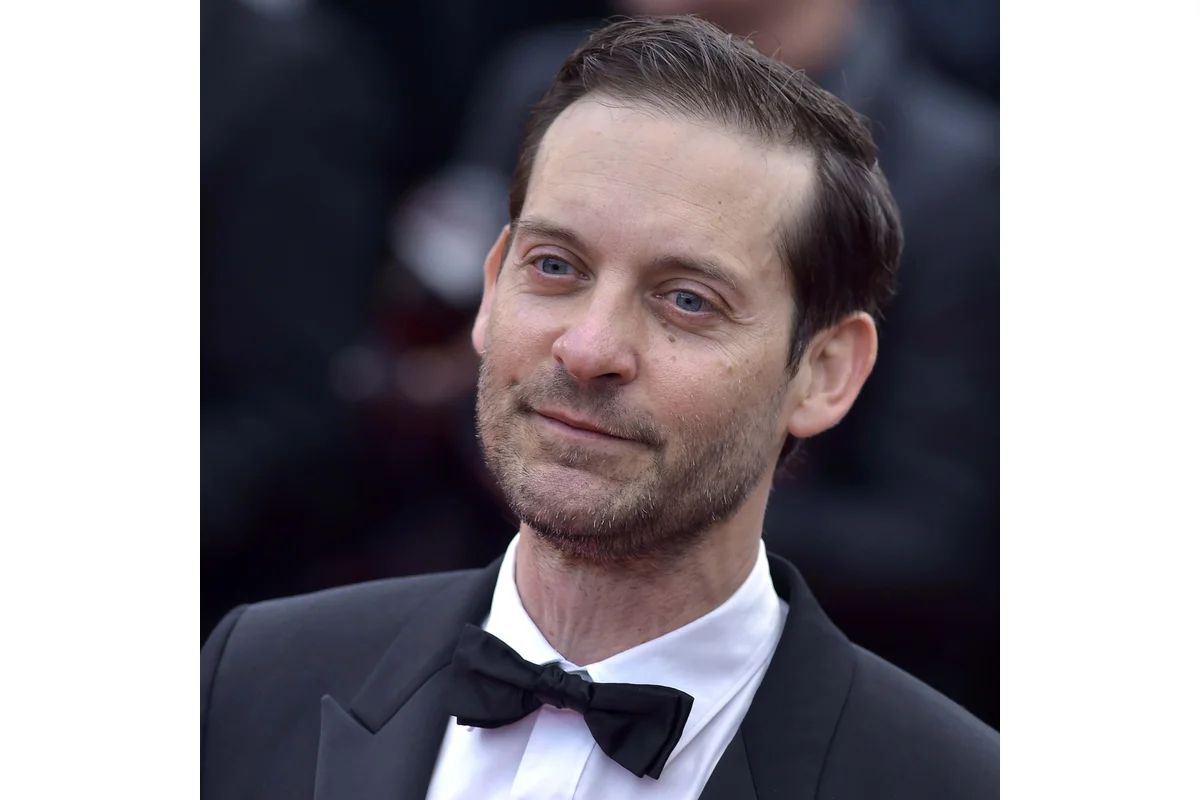
The Pirates of the Caribbean film series dominated the early to mid-2000s, achieving massive success and solidifying itself as a cultural mainstay. This original trilogy was not only a blockbuster sensation but also a crucial pillar for Walt Disney Studios at a time when the company’s animated features were struggling to capture audiences’ attention. Between the end of Disney’s Renaissance era and the rise of Frozen in 2013, Pirates nearly embodied the Disney brand itself, propping up the studio through a difficult period.
Decline and Attempts to Maintain the Franchise
Despite the original trilogy’s triumph, subsequent Pirates films failed to recapture the magic, with the fourth and fifth entries—Pirates of the Caribbean: On Stranger Tides (2011) and Dead Men Tell No Tales (2017)—underperforming both critically and commercially. Even as the franchise’s cultural relevance diminished, Disney persisted with the series. Recently, rumors have surfaced that Disney plans to reboot Pirates under new leadership following Josh D’Amaro’s appointment as CEO, reigniting debates around the future direction of the franchise.
Controversy Surrounding Johnny Depp’s Role
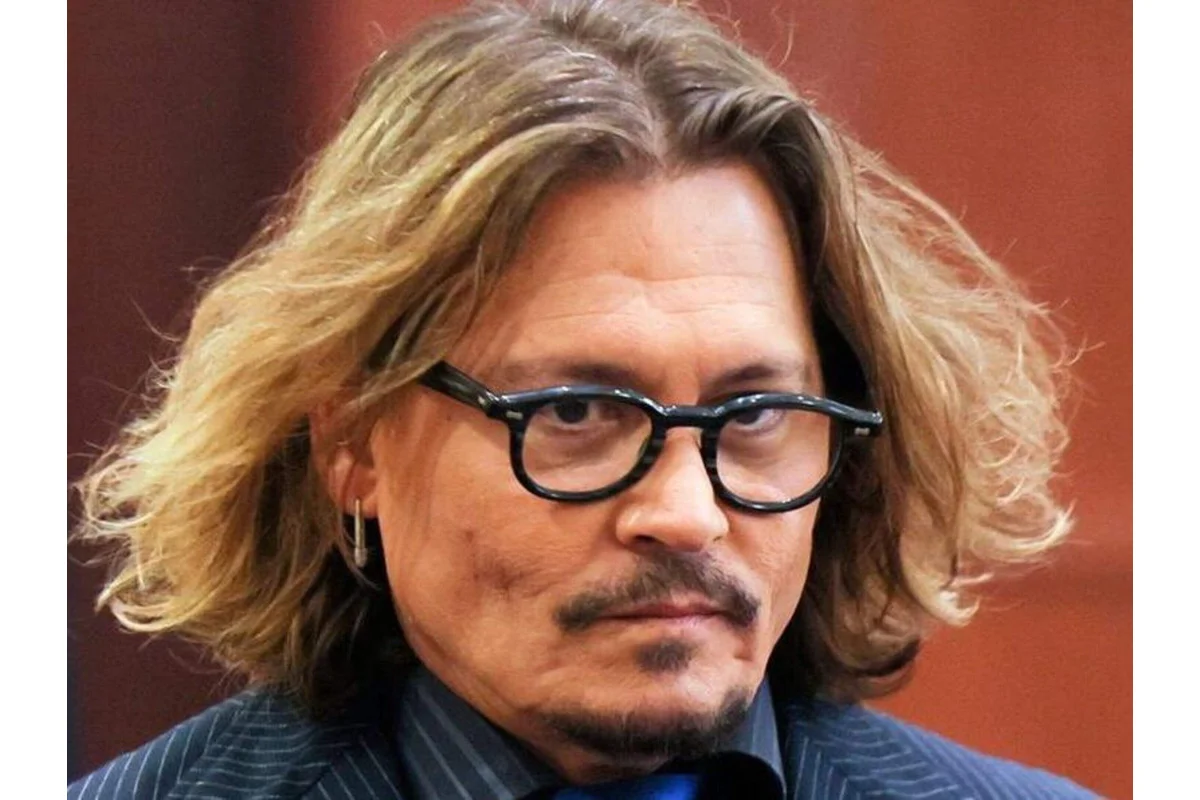
One major point of contention tied to these reboot discussions is Johnny Depp’s involvement. Once pivotal to the series’ popularity due to his portrayal of Jack Sparrow, Depp has since become a divisive public figure. Many fans argue passionately that Depp should return to any new Pirates project, while others feel his era has passed. However, it is important to look beyond the actor’s name when considering what truly made the first three films resonate with audiences.
Gore Verbinski’s Influence as Director
Gore Verbinski, director of the original Pirates trilogy, is often overlooked in this conversation but remains the key creative force behind these groundbreaking movies. Known for his work on films such as The Ring, Rango, and more recently Good Luck, Have Fun, Don’t Die, Verbinski brought an ambitious, unique vision that defined Pirates in its prime. In contrast, the two later installments, which he did not direct, have been criticized as uninspired retreads lacking the original’s passion and edge.
Verbinski’s willingness to push boundaries is exemplified by the third film, At World’s End, which starkly transitions from the Disney castle logo to scenes of public executions, a bold move in a major Disney blockbuster that underlines his audacity and creative risk-taking.
Why Depp’s Return Isn’t Essential but Verbinski’s Might Be
Johnny Depp remained a constant presence in the franchise beyond Verbinski’s tenure, with Jack Sparrow becoming the central figure in later films. However, these portrayals often felt diluted and lacked the energy of earlier installments. The initial allure of Depp’s eccentric character has faded due to overexposure and changing audience perceptions, making his return unnecessary for a successful revival.
On the other hand, Verbinski’s involvement could critically shape the franchise’s future. His track record of crafting high-concept, boundary-pushing films suggests that his return would energize Pirates in a way new directors might struggle to achieve under Disney’s corporate constraints. Verbinski continues to produce tactile and innovative work, making him a valuable candidate to helm any reboot if Disney aims to recapture the distinctive spirit of the original trilogy.
Related semantic context: related coverage · external reference.
