
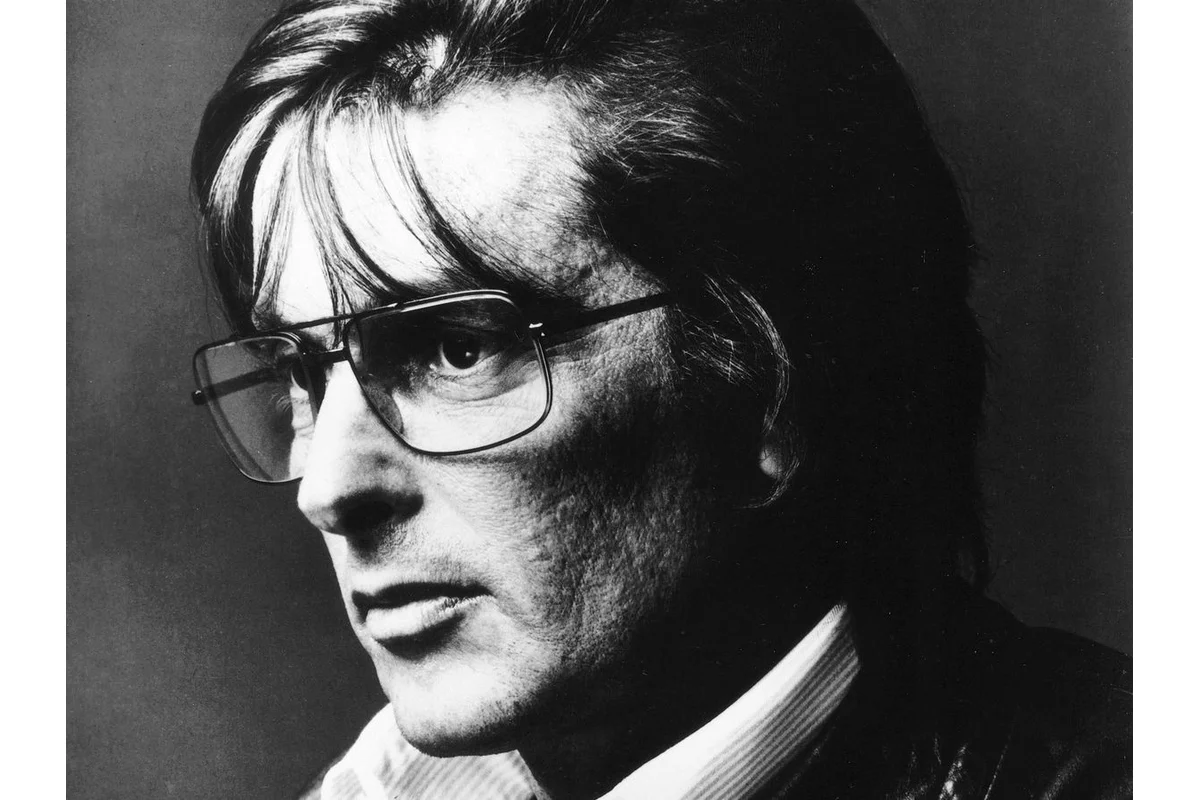
At the pinnacle of his career, Al Pacino’s portrayal of Tony Montana in Scarface became legendary. However, long before he embodied this violent and ambitious immigrant who rises and falls dramatically, Pacino was deeply influenced by an earlier performance. This inspiration came from the original 1932 gangster film Scarface, directed by Howard Hawks and starring Paul Muni as the first Tony Montana. Although born after the film’s release, Pacino eventually watched it as an adult and was profoundly impacted.
Because the original Scarface was a Pre-Code film with mature themes, it was not something young Pacino saw growing up. It wasn’t until 1974, after he had already established his reputation with movies like The Godfather and Serpico, that he finally viewed Muni’s depiction of Tony. That moment left Pacino utterly speechless and motivated him to reimagine the story for a new generation.
How Watching the Original Scarface Sparked a Modern Remake
Watching Paul Muni’s role in the 1932 film was a transformative moment for Pacino. It marked the first time in his life a performance had blown him away to such an extent. This powerful experience inspired him to initiate a remake of Scarface, aiming to reinterpret the gangster narrative for contemporary audiences rather than simply copying the original.
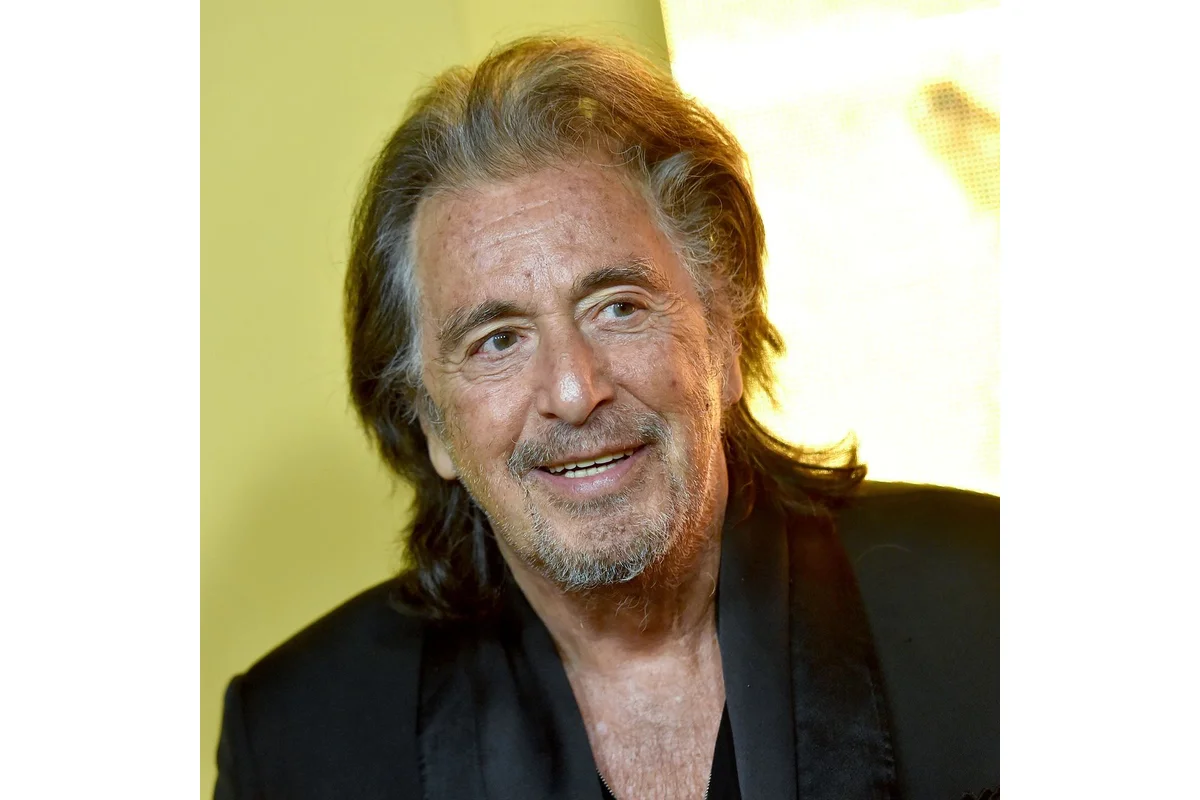
Pacino reached out to his agent, Martin Bregman, to start discussions about producing an updated version of Scarface. The project eventually took shape with Oliver Stone writing the screenplay and Brian De Palma directing, while Bregman acted as a producer. Pacino’s influence extended behind the scenes as well, such as his initial hesitation regarding Michelle Pfeiffer’s casting as Elvira, a role that would become iconic for her.
The Impact and Distinctiveness of the 1983 Scarface
The 1983 remake of Scarface grew into one of the most influential gangster films in cinema history. Known for its intense violence and raw portrayal of crime and ambition, it is often regarded as surpassing the original 1932 film in cultural impact, even though the two versions offer distinct interpretations. Unlike a direct remake, Pacino intended the newer scarface to stand independently while paying homage to Muni’s powerful portrayal. His respect for that early performance guided him in crafting a unique and modern character of Tony Montana.
Paul Muni, who played Tony in the first Scarface, had an active career into the mid-1940s and returned to the screen briefly in the early 1950s, earning an Oscar nomination late in his career for The Last Angry Man. Despite these achievements, his role in Scarface remains his most celebrated and influential work, especially for inspiring Al Pacino and boosting the gangster genre overall.
The Lasting Legacy and Influence of Both Scarface Films
Al Pacino’s discovery and admiration of the original Scarface performance shaped one of Hollywood’s most memorable gangster figures, while also bridging decades of cinematic storytelling. The collaboration involving Pacino, De Palma, Stone, and Bregman resulted in a film that resonated deeply with audiences and critics alike, pushing the boundaries of violence and ambition on screen.
This legacy continues to impact filmmakers and actors interested in crime drama, demonstrating how viewing a powerful performance can inspire lasting creative work, just as Muni’s Tony Montana did for Pacino decades ago.
“It was the first time in my life that I was blown away by a performance,” Al Pacino, Actor

Related semantic context: related coverage · external reference.
