
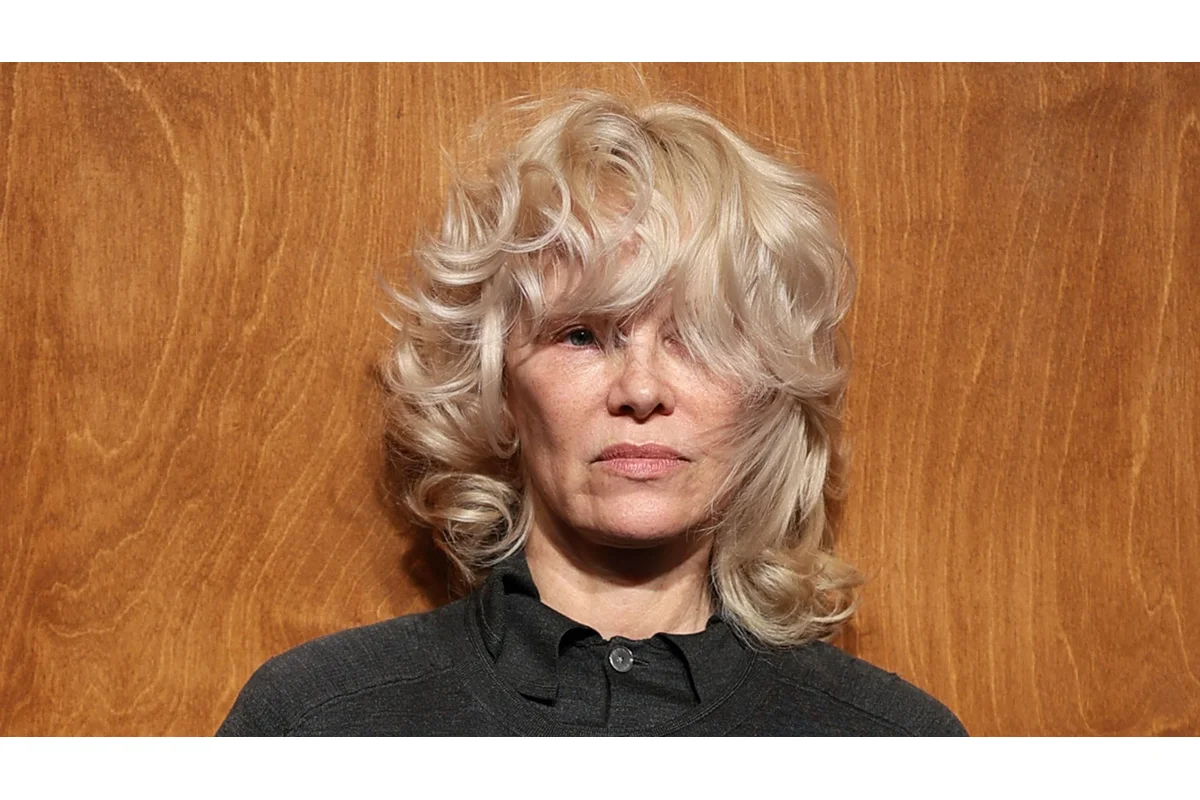
Pamela Anderson’s career journey has spanned decades, beginning with her rise as a Playboy model, where she set records for magazine covers. She then gained widespread attention through her role on the television series Baywatch, which, despite its popularity, was not highly regarded for its sophistication. Throughout this period, Anderson faced intense public scrutiny, often reduced to a sex symbol amid controversies, including a widely publicized sex tape scandal involving her then-husband, Tommy Lee.
Despite this, Anderson remained active in the entertainment industry, appearing in reality TV shows, writing books, and taking on various film roles. Many of her movie appearances were in lighthearted, often critically panned projects such as Pauly Shore Is Dead, Superhero Movie, Blonde and Blonder, and Scary Movie 3, where she embraced cheesy parts or brief cameos, leveraging her celebrity for steady work rather than critical praise.
Struggles with Serious Acting and Early Career Setbacks
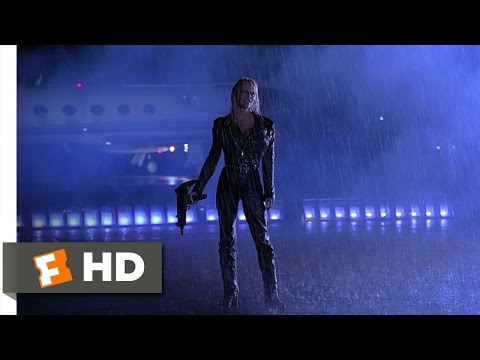
One of Anderson’s most notable early attempts to break into serious acting was the 1996 film Barb Wire. Loosely based on a comic book character, the movie featured Anderson as a vigilante in a provocative costume, blending the superhero concept with overt sexuality. The film was critically panned and failed to resonate with audiences or critics, solidifying Anderson’s status as a figure more famous for image than acting prowess.
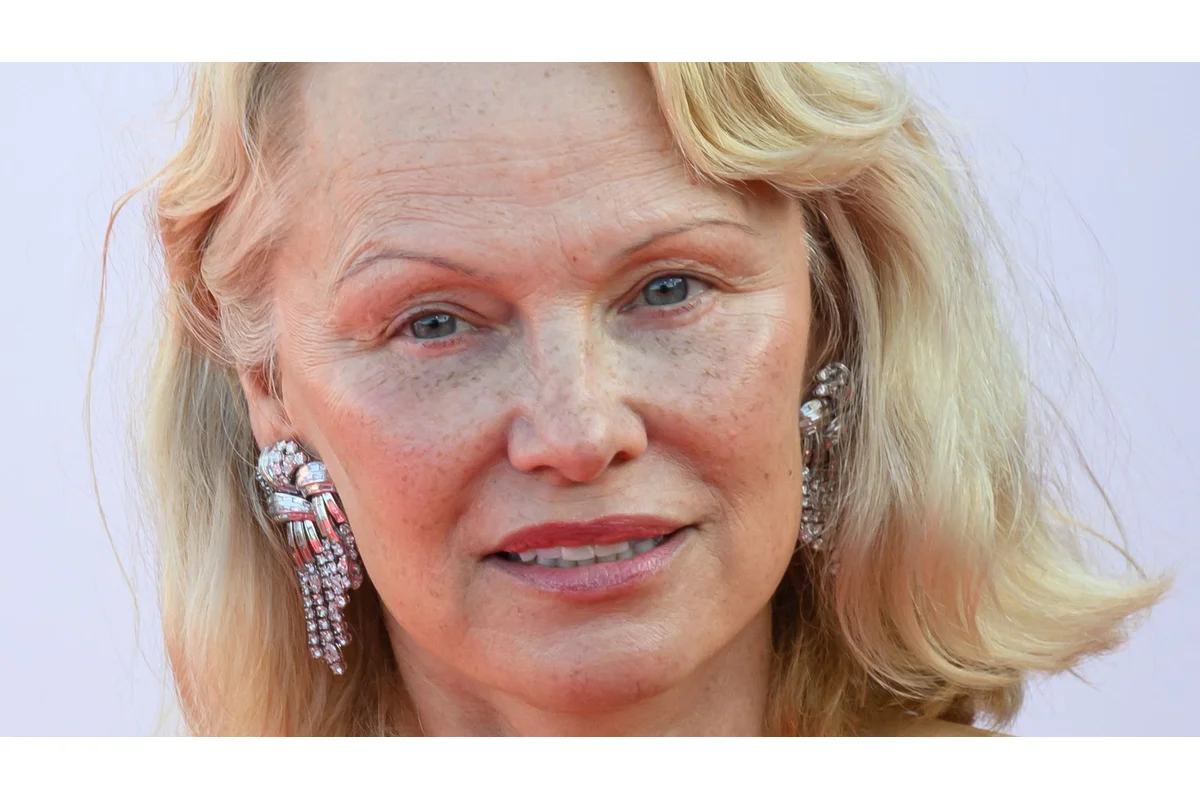
This failure affected Anderson so deeply that she avoided watching Barb Wire for 27 years. When she finally did view the film, she chose to watch it in French with English subtitles, a way to distance herself from her own voice and soften the experience.
“I look back, and I think, you know, even those characters, CJ, Barb Wire, even Vallery Irons on VIP, they’re Halloween costumes. I mean, because they’re not just about the costumes, it’s what’s in the costume,”
she told TimesRadio.
“There’s a lot of heart in all of those roles, and it may not have been, you know, thespian in any way, but also, I was 27 years old when I did Barb Wire, and I didn’t see it until 27 years later, and I watched it in French with English subtitles… I could stomach it that way.”
Late Recognition and New Creative Heights
Despite these setbacks, Anderson’s career journey took a turn as she began to receive more serious recognition. Her role in Gia Coppola’s The Last Showgirl was met with unexpected praise, highlighting her ability to portray an aging performer grappling with fading fame. This performance leveraged meta-casting by drawing on Anderson’s own public persona and past struggles in the entertainment world.
Further recognition came from her involvement in projects like The Naked Gun, which received positive reviews from critics. Such roles demonstrated that Anderson’s talent had matured and gained appreciation over time, proving that artistic growth and acclaim can come later in one’s career.
Significance of Embracing Imperfect Moments
Anderson’s eventual willingness to revisit Barb Wire reflects a broader acceptance of the ups and downs in her career journey. While the film remains a critical low point, it played a part in leading Anderson to the more nuanced and respected roles she holds today. Her experience underscores how early failures or bad choices in art do not define an artist’s entire legacy.
Her evolving career path demonstrates that perseverance through public criticism and personal challenges can eventually bring new opportunities and recognition, inspiring others facing similar difficult chapters in their professional lives.
Related semantic context: related coverage · external reference.
