
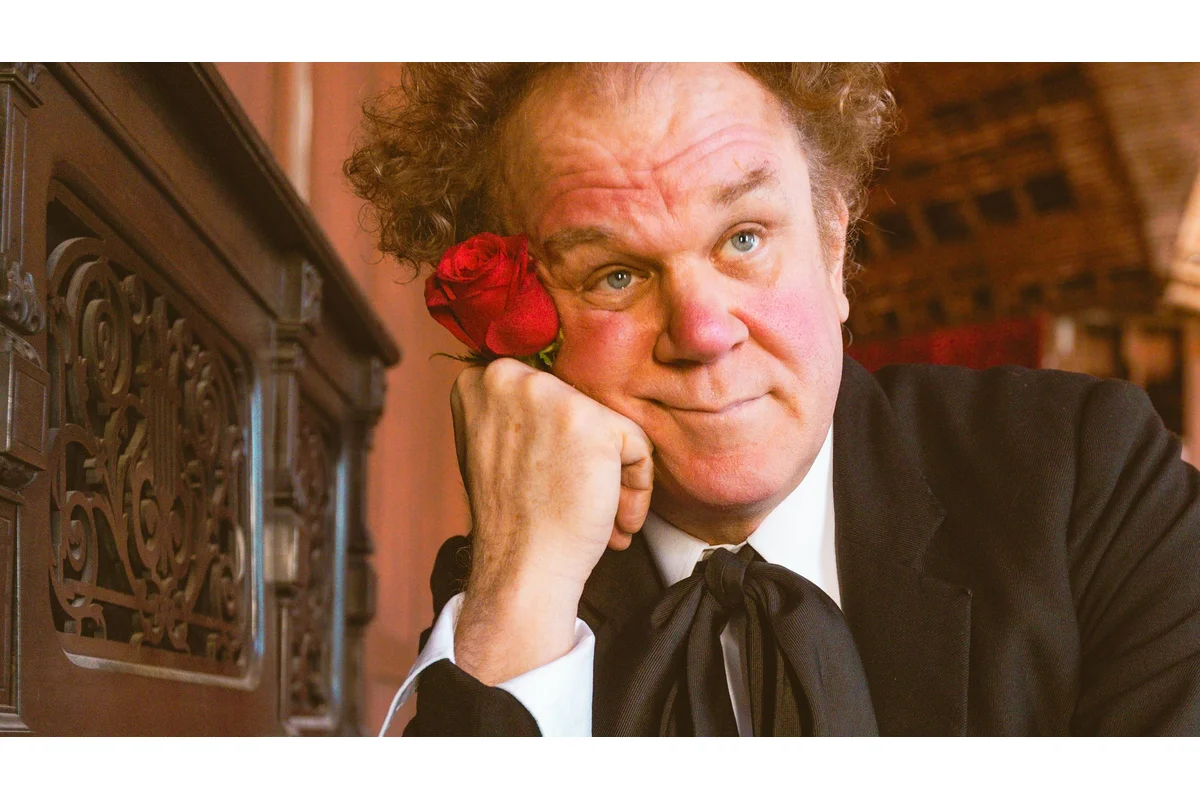
In a cinematic moment rare and significant, two powerful films centered on the American frontier in the 19th century have emerged within just over a year of each other, capturing attention with their intense storytelling and standout performances. Among them, John C. Reilly’s role in A Prayer for the Dying presents a compelling John C Reilly moral test, set against a backdrop of hardship, faith, and survival in a small Wisconsin town. This 2026 debut at the Berlin Film Festival’s Perspectives showcase has sparked notable buzz for its haunting portrayal of human endurance amid relentless adversity.
From Literary Roots to Cinematic Realization
A Prayer for the Dying is the confident feature debut of writer-director Dara Van Dusen, a New Yorker trained at the Polish National Film School in Lodz who now lives in Norway. The film is a faithful adaptation of Stewart O’Nan’s novella, bringing to life a story steeped in Midwestern despair and quiet resilience. Set during a summer drought in 1870s Wisconsin, the film follows Norwegian immigrant and Civil War veteran Jacob Hansen, played by Johnny Flynn, whose roles in the town of Friendship as constable, undertaker, and preacher place him at the heart of the community’s strife.
Jacob’s struggle unfolds as a diphtheria outbreak threatens the townsfolk while an encroaching wildfire looms nearby. Flynn’s portrayal evokes the stoicism and suffering of a Victorian Job, tirelessly working to protect his neighbors and loved ones from devastation. Supporting this central figure is John C. Reilly, who steps away from his usual comic fare into a grave and weighty role, adding significant substance to the ensemble cast that includes Kristine Kujath Thorp as Jacob’s fragile wife Marta, and a roster of international actors who enrich the story with nuanced performances.
The Film’s Visual and Atmospheric Craftsmanship
Shot on location in Slovakia, which effectively doubles for 19th-century Wisconsin, the film’s aesthetic bears the mark of meticulous craftsmanship. Director of photography Kate McCullough employs a stylized approach, framing scenes with sun-bleached, blood-tinted visuals that convey both beauty and dread. The production design by Hubert Pouille recreates the period’s worn and humble interiors, while costume designer Ján Kocman’s carefully distressed garments reflect the hardships of frontier life. Together, these elements immerse the viewer in a grim yet poetic vision of the American West that recalls the gritty textures of Robert Altman’s McCabe and Mrs. Miller and the atmospheric grime of series like Deadwood.
Inspiration from Historical and Literary Sources
Van Dusen openly acknowledges the influence of Michael Lesy’s Wisconsin Death Trip, a compendium of photographs and news clippings depicting the gloom of the Midwest in the late 19th century. This source, along with James Marsh’s film adaptation, informs the film’s depiction of economic hardship, disease, and psychological torment. A Prayer for the Dying channels this bleakness through its unflinching gaze on suffering, carefully positioning its characters in austere interiors where every possession is humble but painstakingly arranged. This juxtaposition heightens the shock of scenes where sickness and death creep ever closer, emphasizing the stark realities of frontier existence.
John C. Reilly’s Gravitas Amid Spiritual Struggle
John C. Reilly’s performance stands out for its serious tone, a departure from his typically comedic roles, embodying a key figure who shares the town’s burden alongside Flynn’s Jacob Hansen. The film weaves a strong spiritual thread, emphasizing the central role of faith in frontier communities. Jacob frequently kneels in prayer, embodying the tension between devotion and despair. The narrative embraces the mysterious ways of God, exposing the profound uncertainty and anguish experienced by those suffering through the calamities afflicting Friendship.
Throughout the film, the presence of trauma—both physical and psychological—is palpable. Jacob is haunted by his Civil War experiences, reflected in dreamlike sequences tinted red with ash, signalling the impending fire. Symbolic imagery, such as the recurring motif of a dead dog whose fate is ambiguously rendered, enhances the film’s eerie atmosphere. Meanwhile, the harshness extends to the natural world, where animals suffer cruel fates, accentuating the bleakness that envelops the human characters.
Depictions of Human Suffering and Community Collapse
The film does not shy away from portraying the devastating impact of diphtheria, a bacterial infection that sweeps through Friendship with brutal effect. Visuals linger on chilling tableaux of death and mourning, with the camera slowly revealing scenes of hanged figures and groups of women in matching ivory gowns, their lifeless forms piled like firewood. These graphic images create an immersive experience of grief and loss, reflecting the raw human cost of the epidemic.
Jacob Hansen’s role as a protector and spiritual leader is continually tested, revealing the fragility of hope in dire circumstances. His personal resilience mirrors that of the town, where faith and perseverance exist side by side with despair and decay. This balance lends the film an intense and somber tone, making John C Reilly moral test a central thematic pillar that explores the complex interplay of duty, suffering, and belief on the frontier.
The Broader Context and Cinematic Parallels
A Prayer for the Dying shares thematic and aesthetic echoes with Clint Bentley’s Train Dreams, another portrayal of the American West released recently and based on Denis Johnson’s novel. While Bentley’s film embraces more poetic, naturalistic imagery reminiscent of Terrence Malick’s style, Van Dusen’s work opts for a grittier, gothic approach marked by a raw depiction of hardship and decay.
The film’s international cast and crew bring diverse perspectives to the story, enriched by their varied backgrounds. The presence of Norwegian actors, such as Johnny Flynn and Kristine Kujath Thorp, deepens the authenticity of the immigrant experience that features prominently in the narrative. Supporting actors including Daniel Weyman, Christopher John-Slater, and Gustav Lindh round out the cast, each contributing layers to this intimate portrait of frontier life.
Why This Film Matters and What Lies Ahead
A Prayer for the Dying stands as a noteworthy addition to the canon of frontier films, especially for its bold focus on community suffering, spiritual endurance, and the testing of morality in extreme conditions. The film’s serious tone, impeccable craftsmanship, and powerful performances, particularly from John C. Reilly and Johnny Flynn, position it as a compelling exploration of faith and perseverance.
By shedding light on a rarely depicted chapter of American history with unflinching honesty and artistic care, the film may influence future portrayals of the frontier era, inspiring filmmakers to tackle similarly complex moral and spiritual themes. As it gains visibility through festivals and critical discussion, A Prayer for the Dying has the potential to secure its place as a modern classic of historical drama, challenging audiences to confront the harsh realities beneath the mythic American West.
“Prayer will definitely make a name for, or at least cement the reputations of, many of the talents attached to it. That goes especially for writer-director Dara Van Dusen, a New Yorker who trained at the Polish National Film School in Lodz and now lives in Norway.” — Film Critic
“Johnny Flynn knocks it out of the park playing Norwegian immigrant and Civil War veteran Jacob Hansen, who also serves as the Wisconsin town of Friendship’s local constable, undertaker and preacher.” — Film Critic
“But kudos are due also to John C. Reilly, serious as a grave after a long run of comic turns; up-and-coming Norwegian actor Kristine Kujath Thorp; and an international cast of supporting players, who bring surprising, layered depths to the smallest roles.” — Film Critic
“The international cohort shot the film on location in Slovakia, passing plausibly for 1870 Wisconsin.” — Film Critic
“True to its Old Testament inspiration and underlying theology, there’s no knowing why God has sent these torments to Jacob and his town. He works in mysterious ways, and A Prayer for the Dying stitches that mystery into every frame.” — Film Critic
Related semantic context: related coverage · external reference.
