
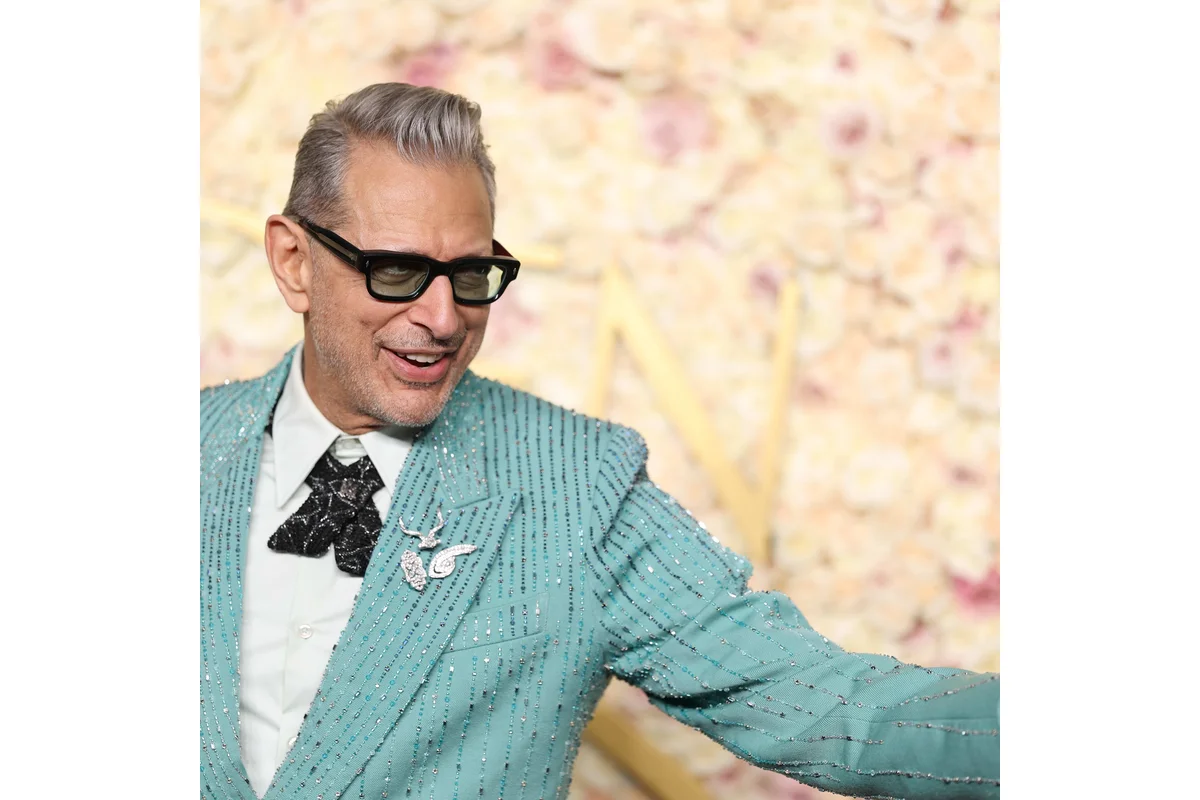
Jeff Goldblum, a widely recognized actor known for his unique presence on screen, offered a rare apology regarding one of his lesser-regarded movies during a recent interview. The actor’s admission came while discussing his work with podcast host Josh Horowitz, highlighting the 1985 film Transylvania 6-5000 as particularly divisive among fans and critics alike.
Goldblum’s unusual style often brings charm to his roles, even when portraying sinister characters, but not all of his films have been received positively. Among his more questionable projects is 2008’s Adam Resurrected, where he portrayed a famous entertainer punished in a World War II concentration camp and led to a surreal narrative about identity and belief. Another notable misstep was the 1995 film Hideaway, in which his character, revived by an experimental drug, becomes a dangerous figure during sleep, a movie aiming for Stephen King-level horror but falling short by many accounts.
Goldblum also appeared in the widely panned Mortdecai, although his role remained minor and off promotional materials, with the film’s failure often attributed to Johnny Depp’s involvement rather than Goldblum’s.
Behind the Troubles of Transylvania 6-5000
During the conversation on the podcast, Horowitz shared that he and his brother had left the theater during Transylvania 6-5000, calling it the only Goldblum movie they did not enjoy. This 1985 horror-comedy, directed by Rudy De Luca, featured Goldblum and Ed Begley Jr. as investigative reporters in Romania chasing monsters like Frankenstein and encountering a vampire played by Geena Davis.
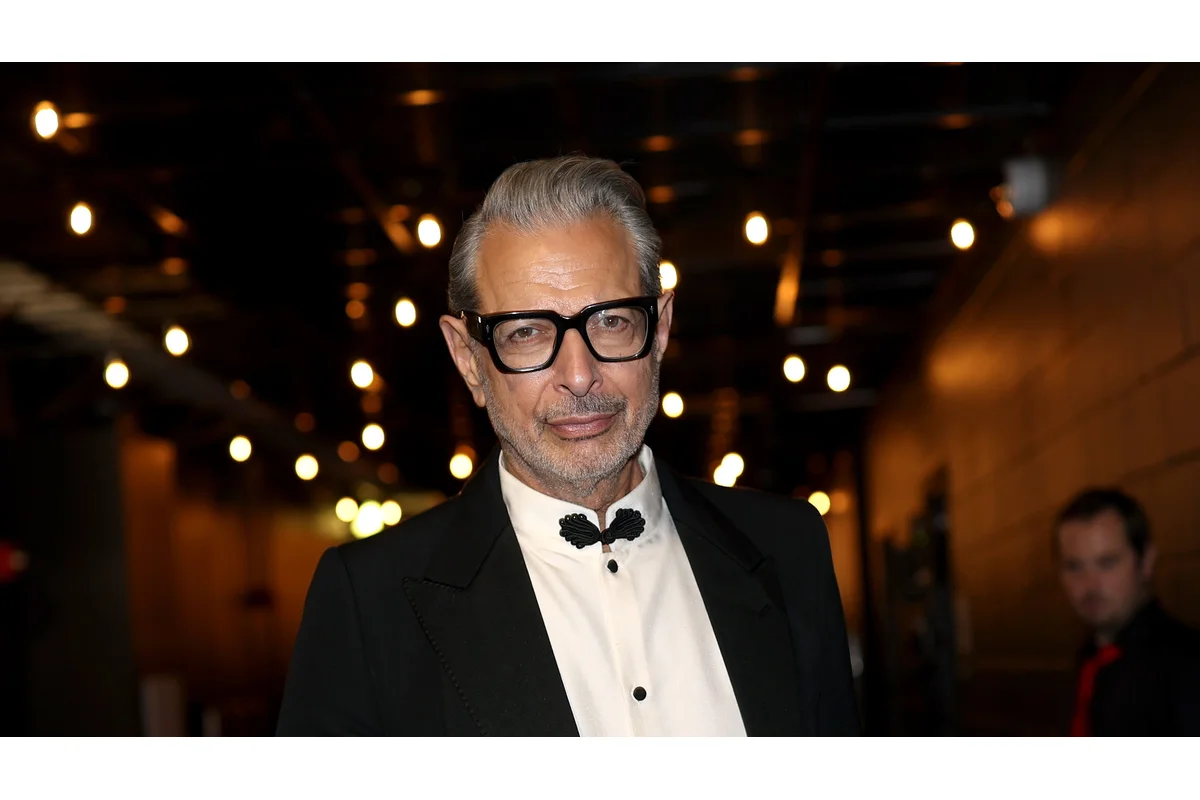
While the film’s poor reception is well-known, the difficulties extended beyond the final cut. Geena Davis, who soon after married Goldblum, recalled the disorganized production and De Luca’s inappropriate behavior during auditions, including asking Davis to sit on his lap as preparation for a character’s scene. She described the set atmosphere as chaotic, with actors almost rebelling against the disorder.
Goldblum Offers a Humble Response to Criticism
When Horowitz revealed he had walked out of the film, Goldblum responded without defensiveness. Instead, he calmly said, “I’m sorry. I apologise,” and humorously offered a refund from his wallet.
“I have my wallet right here, if you want a refund.”
This candid response stands out for its sincerity, reflecting a willingness to acknowledge the film’s shortcomings openly. While Goldblum’s career largely boasts critically acclaimed performances, his readiness to admit faults adds a relatable dimension to his public persona.
The Lasting Impact of This Open Admission
Goldblum’s apology sheds light on the unpredictable nature of filmmaking, where even beloved actors can be part of projects that struggle both behind the scenes and critically. It also highlights how actors can confront their own filmography with humor and humility, an approach that may resonate with fans and colleagues alike. Moving forward, this incident may encourage more candid discussions about challenging experiences in Hollywood productions, underscoring the human side of the entertainment industry.

Related semantic context: related coverage · external reference.
