
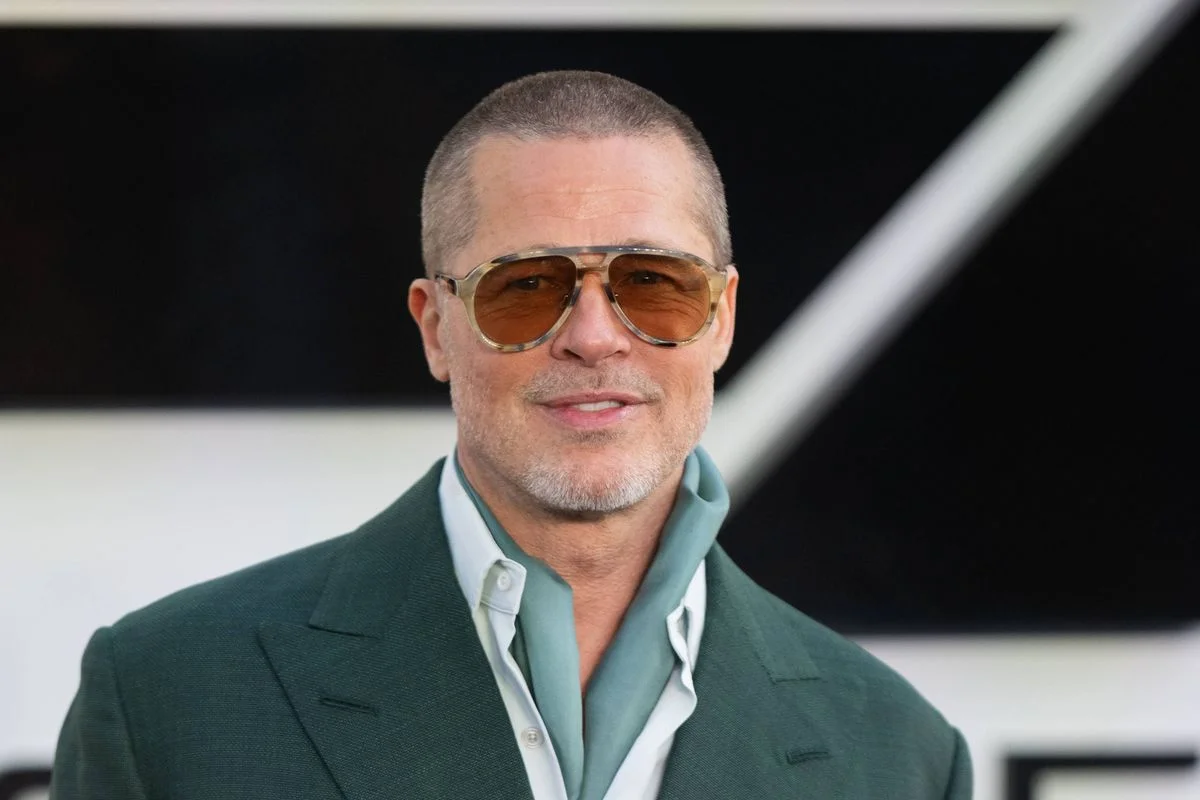
A new 15-second video showing AI-generated versions of Brad Pitt and Tom Cruise fighting on a crumbling rooftop has rattled Hollywood. Released recently by Irish director Ruairi Robinson using ByteDance’s advanced Seedance 2.0 software, the clip’s near-professional quality and detailed action highlight a major technological leap in AI-generated media, raising urgent questions about the future of creative industries.
ByteDance’s Seedance 2.0 Raises Stakes With Cutting-Edge AI Tools
Launched last week by ByteDance, the Beijing-based owner of TikTok, the Seedance 2.0 platform boasts precise physical simulations and director-level control, allowing users to create stunningly realistic content. The Cruise-Pitt fight scene is a prime example of how far AI has come from earlier, less polished attempts at digital creation. Users have eagerly embraced the platform to produce viral crossovers, though the rise of such content has provoked swift condemnation from entertainment professionals worried about the impact on jobs.
Rhett Reese, screenwriter of the Deadpool franchise, expressed serious apprehension, calling the AI technology “nothing short of terrifying,” and warning it risks significant employment losses as studios might be tempted to replace human talent with cheaper digital alternatives.
Legal Authorities Push Back Against Unauthorized AI Use
The legal community has reacted strongly to this surge in AI-generated imagery and performances. The Motion Picture Association (MPA) has formally demanded ByteDance halt what it describes as massive infringement, targeting unauthorized digital replication of copyrighted material. Meanwhile, Disney, which recently secured a billion-dollar partnership with OpenAI, has issued a cease-and-desist notice, accusing Seedance of deploying a pirated collection of protected characters and likenesses without permission.
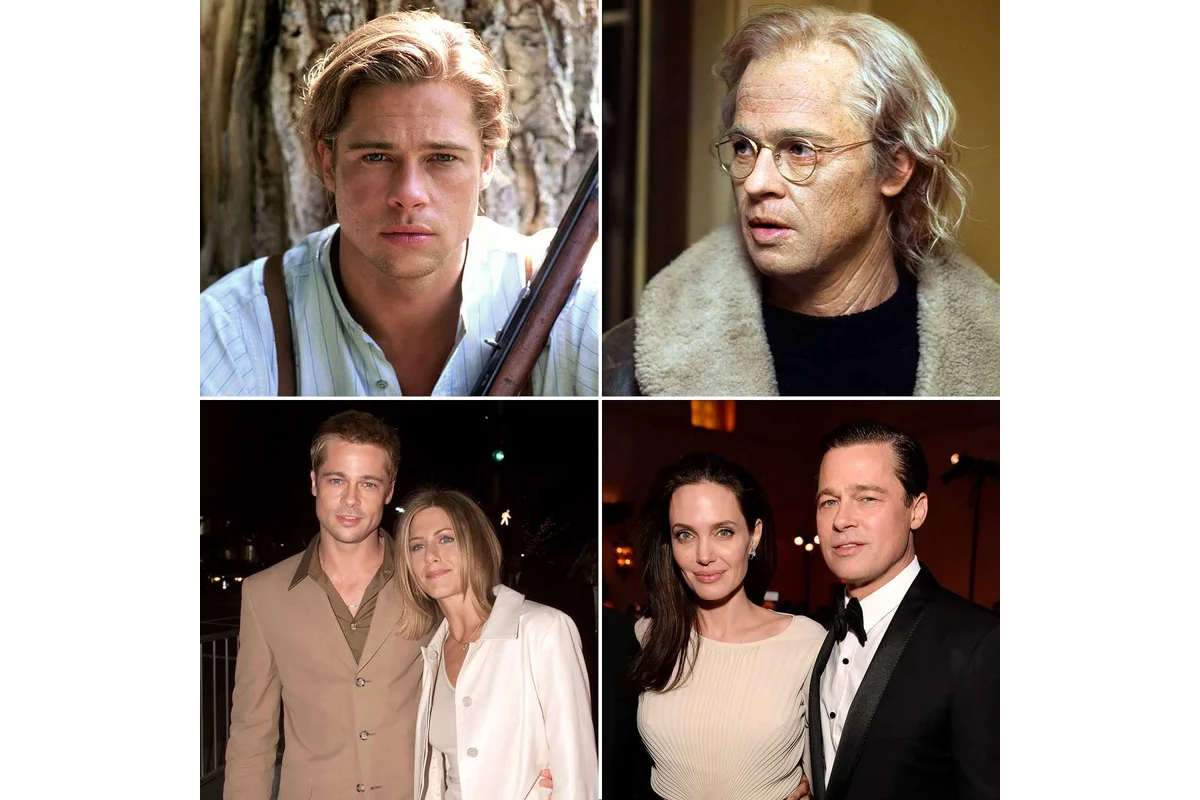
Duncan Crabtree-Ireland, chief negotiator for the actors’ union SAG-AFTRA, emphasized the violation of actors’ rights over their likenesses. Such unauthorized digital clones, he argues, undermine performers’ control over their images and set dangerous precedents for industry ethics.
Mixed Reactions Within the Creative Community
Despite the realistic quality of the AI-generated footage, opinions among creative professionals remain divided. Heather Anne Campbell, an executive producer on the animated show Rick and Morty, dismissed AI-generated content as “averaging machines” that ultimately produce “garbage” lacking the depth of authentic human artistry.
Still, the unsettling detail and polish of the Cruise-Pitt sequence signal a disruptive turning point for Hollywood, leaving many artists anxious about the survival of traditional filmmaking techniques and the authenticity of future performances.
Broader Industry Implications and Future Challenges
The emergence of Seedance 2.0 technology introduces profound challenges for all Hollywood stakeholders, from studios and actors to writers and technicians. As producers weigh the cost benefits of AI against the potential erosion of human creativity, industry veterans face an uneasy future. The legal disputes involving major organizations like the MPA and Disney indicate that battles over intellectual property and digital rights will intensify.
Whether the film community adapts through regulation, unions’ protective efforts, or innovative collaboration remains to be seen. The realistic Brad Pitt AI battle clip has already sent shockwaves, fueling debate on how to balance technological progress with preserving artistic integrity in an increasingly automated media landscape.
“Nothing short of terrifying.” – Rhett Reese, Screenwriter
“Such digital replications violate an actor’s fundamental right to control their likeness.”
– Duncan Crabtree-Ireland, Chief Negotiator for SAG-AFTRA
“Averaging machines that produce garbage.” – Heather Anne Campbell, Executive Producer on Rick and Morty
Related semantic context: related coverage · external reference.
