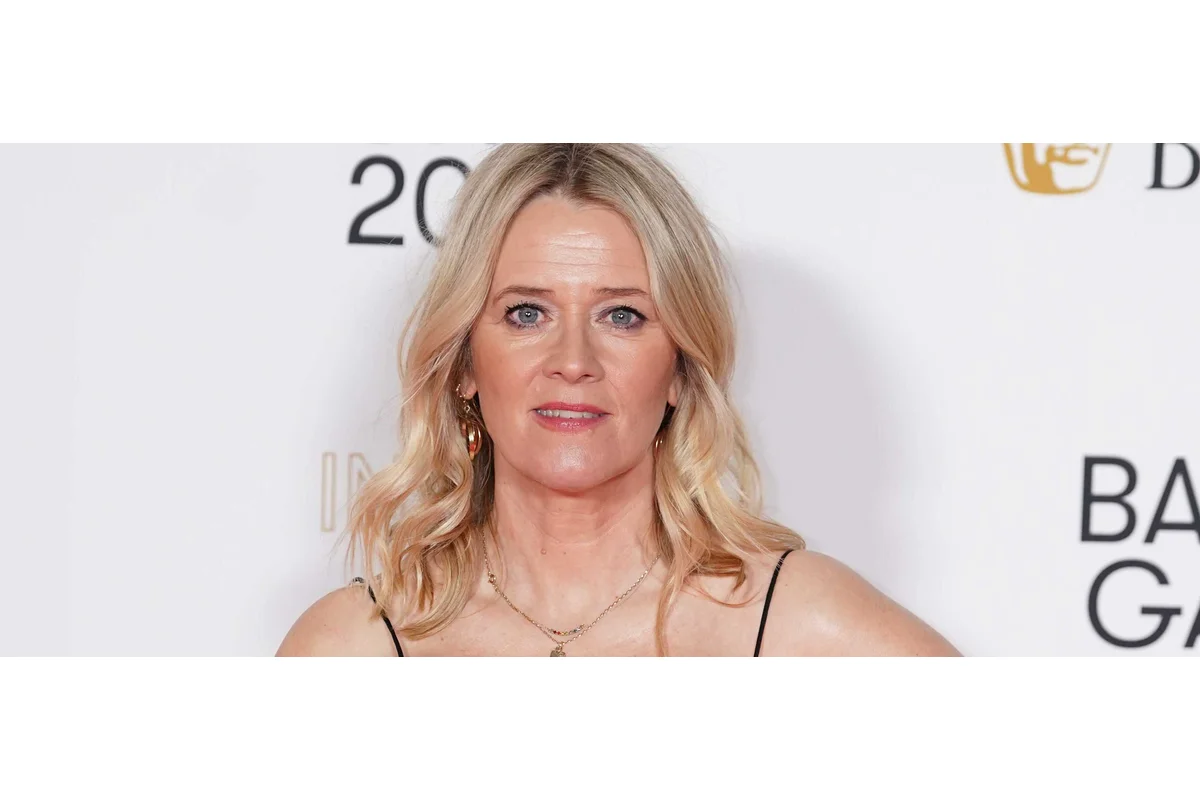
Amy Adams delivers raw, haunting depth in trauma drama At the Sea. [Image Source: BELFASTTELEGRAPH]
Amy Adams delivers a deeply emotional and raw performance as Laura, an alcoholic luminary in the contemporary dance community wrestling with reintegration into family and professional life after six months in rehabilitation. Set against the tranquil backdrop of Cape Cod, the film explores Laura’s complex attempts to heal amid the lingering pain of addiction, fractured relationships, and a haunted past. Despite Adams’ commanding presence, the story struggles under its own weight, offering more distress than clear emotional resolution.
The Film’s Core Setting and Emotional Landscape
Directed by Kornél Mundruczó and co-written with his spouse Kata Wéber, the film takes place largely in the serene coastal environment of Cape Cod. This location, with its expansive sea views and soft natural lighting, is intended to symbolize cleansing and renewal. However, for Laura, the setting’s potential to restore is undermined by persistent memories of a turbulent childhood, many tied to the family’s beloved summer home. This physical and emotional space becomes a battleground where Laura confronts her demons rather than finding peace.
Revisiting a Troubled Dance Legacy
Laura’s return is marked by a symbolic scene in a dance studio where she watches a DVD tribute to her late father, Ivan Baum, the influential and controversial founder of a renowned dance company. Ivan’s legacy is complicated, highlighted by revelations that principal dancers involved in his celebrated work had personal, exploitative relationships with him. Laura notes,
Image of: Amy Adams
“they went at each other like two scorpions,”
speculating that her father might have engineered this rivalry to energize the performance. This glimpse into a fraught past hints at the cycle of trauma ingrained within the family and the artistic realm Laura inhabits.
Fragmented Memories and Familial Tensions
Flashbacks subtly reveal Laura’s fearful and vulnerable experiences as a child raised by Ivan, whose narcissism and violence cast a long shadow. His alcoholism influenced Laura’s own secret drinking during her youth. When Laura’s longtime colleague Peter refers to Ivan as a speed freak, she acknowledges, “he was a high-functioning addict.” Early visuals in the film, such as a car crash scene, allude to a pivotal event leading to Laura’s breakdown. Her interactions with her children reflect the lasting effects of her addiction; Josie, her older daughter, is distant and resentful, burdened by having to care for her younger brother Felix during Laura’s absence.
Strained Relationships Within the Family
Reuniting with her husband Martin reveals the depth of her personal struggles. While Martin loves Laura and fears losing her again, she remains emotionally guarded and cold, creating a barrier between them. The children’s skepticism further highlights questions about Laura’s dedication to sobriety and recovery. Josie, particularly, carries the weight of resentment and pain, feelings that manifest in their difficult interactions.
Challenges Within the Dance Company and External Pressures
Laura’s return to the Baum Company is fraught with tension. Debbie, a friend and breast cancer survivor, inherited the family’s Cape Cod home through divorce, while George, the company’s chair, is growing weary of financially supporting its operations out of pocket. He urges Laura to confirm her return as the company teeters on the brink of collapse, warning that its survival depends on her leadership. Meanwhile, Martin, a painter, sacrifices his artistic ambitions, working as a gardener for wealthy acquaintances to support the family. These dynamics add layers of financial strain and interpersonal conflict to Laura’s fragile state.
Adams brings a compelling luminosity and fractured grace to Laura, embodying a woman haunted by remorse and striving for redemption. Yet, the film’s heavy focus on her character’s pain becomes repetitive and somber, lacking the emotional variation needed to sustain engagement. Director Mundruczó appears more invested in portraying chaos and pain than in crafting a clear arc of recovery. Scenes such as Laura’s conversation with Keegan, a fellow addict who shares his story of heroin recovery, feel peripheral and fail to advance the narrative in a meaningful way.
Exploring the Mother-Daughter Conflict
The film’s most affecting dramatic thread centers on Laura’s fraught relationship with Josie. Josie’s intense physical choreography in the studio is a form of expression and confrontation, aimed at hurting her mother emotionally. While this sequence resonates more effectively than their shared beach dance, which struggles with its symbolism, it underlines the ongoing damage caused by Laura’s absence and addiction. Another scene featuring a public dance breakdown on a windy city street feels disconnected and overly stylized, diminishing the film’s emotional impact.
Subtle Storytelling and Cinematic Details
Notably, Mundruczó and Wéber refrain from relying on a conventional traumatic reveal at the film’s conclusion, instead starting with Laura’s voiceover that questions the idea of happy childhoods as comforting fictions. Despite this restraint, the portrayal of an egotistical artist father and an overlooked daughter recalls more powerful works, leaving this drama feeling hollow at times. The film’s subdued visual style by French cinematographer Yorick Le Saux uses the natural light of Cape Cod to evoke a sun-faded world, while the understated musical score by Sacha and Evgueni Galperine, supplemented with compositions from Joe Hisaishi, subtly supports the film’s mood without overpowering it.
Well-Cast Ensemble Highlights, Though Some Roles Fall Short
The supporting cast, featuring names such as Dan Levy, Jenny Slate, Rainn Wilson, Chloe East, and Murray Bartlett, enriches the film with varied performances, though some feel underutilized. Levy’s humor offers brief relief amidst the tension, while the younger actors portraying Laura’s children provide the most emotional authenticity in their scenes. Still, Amy Adams remains the movie’s central force, imbuing Laura with a complex blend of vulnerability and resilience that anchors the film despite its uneven storytelling.
Overall Impact and Future Expectations
At the Sea, presented in competition at the Berlin Film Festival, aims to be a powerful exploration of trauma, addiction, and familial bonds within a high-pressure artistic environment. However, the film’s abundant emotional density and lack of narrative clarity leave viewers seeking a more rewarding catharsis. Amy Adams trauma drama is undoubtedly a vehicle for showcasing her acting range, but it struggles to transform repeated anguish into a journey of genuine healing or transformation. Audiences may find appreciation in the performances and stylistic elements but remain frustrated by the film’s inability to fully engage beyond its themes of pain and endurance.