
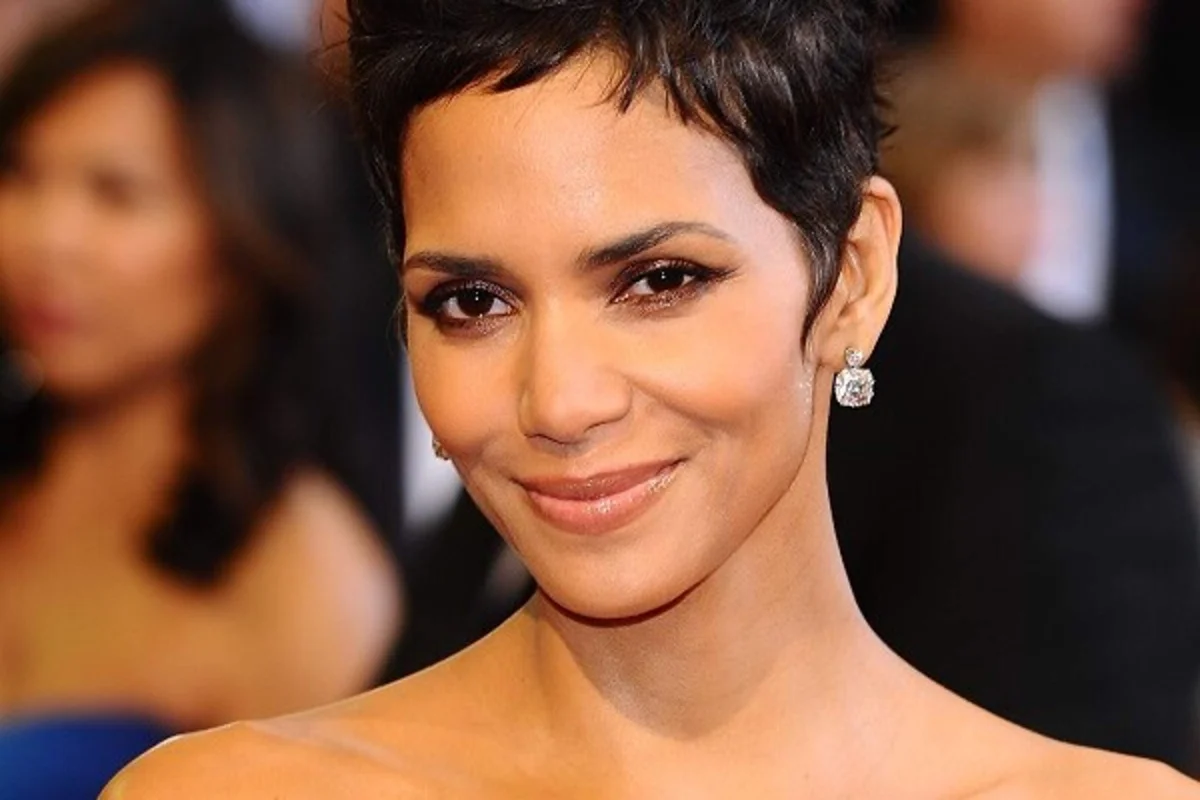
Halle Berry’s Catwoman fail remains a defining and damaging moment in her career nearly 22 years after the film’s release. The 2004 movie, produced by Warner Bros., intended to launch Berry as a major blockbuster star but instead became infamous for its poor reception, perplexing plot, and ham-fisted execution. Despite Berry’s commitment to her role as Patience Phillips, a woman transformed by cat-like powers, the film’s critical flop still impacts how Hollywood perceives female-led superhero projects.
Set around a cosmetics company in a major city, Catwoman follows Berry’s character as she gains feline abilities and confronts corruption, but the film’s approach and style drew widespread scorn. Its legacy serves as a cautionary tale within the superhero genre, especially concerning women’s representation on screen.
What Went Wrong Behind the Scenes of Catwoman?
The troubled production of Catwoman began years before its debut. Originally, the project aimed higher, with Tim Burton set to direct Michelle Pfeiffer in a spin-off following her acclaimed role in Batman Returns. That version never materialized, as Warner Bros. subsequently pursued other actresses, including Ashley Judd and Nicole Kidman, while aiming to create a darker, Blade-inspired feminist origin story. However, these plans eventually gave way to a big-budget, standalone film featuring Halle Berry as the lead.

French visual effects supervisor Pitof was hired to direct, bringing Berry on board as the lead during filming of James Bond’s Die Another Day. The script underwent multiple rewrites by writers John Brancato and Michael Ferris, who originally aimed for a comedic tone playing on the duality between Patience’s mild manner and fierce alter ego. Yet, constant studio interference led to numerous last-minute changes. As Brancato described it, Catwoman became
“an oddly cobbled-together version of the script.”
Brancato and Ferris experienced being hired and dismissed twice amid behind-the-scenes turmoil, including the rejection of a darker script rewrite by Ed Solomon, known for Men in Black, just weeks before shooting began. Pitof lamented his limited control over the project, saying,
“I was part of every discussion, but there were 20 people in the room. They’d listen, but I didn’t have what I did in France: final cut.”
With rewrites continuing through production and reshoots up to a month before release, the film emerged from a chaotic process that undermined any cohesive vision.
Berry’s Intense Dedication Amidst a Flawed Production
Despite the troubled set and script, Halle Berry threw herself fully into the role, embracing even the more outlandish elements of the character’s transformation. She immersed herself in feline behavior, adopting a real cat named Playdough for study and physically mimicking cat-like movements. Berry explained,
“I was full-on cat, all the time. I’d crawl around my house, trying to jump on my counters, thinking, If I were a cat, how would I get up there?”
On screen, this commitment was visible in scenes where she eagerly licked catnip from her face or devoured tuna with her fingers. Although these moments contributed to the film’s bizarre tone, Berry’s devotion prevented the role from feeling entirely disengaged. Her willingness to inhabit the part fully contrasts with the otherwise clunky CGI and uneven storytelling, making Catwoman memorable for its sheer eccentricity rather than quality.
The Film’s Style and Tone Clash With Audience Expectations
Catwoman’s tone wavers disconcertingly between grim seriousness and campy absurdity, making it difficult for audiences to grasp the intended mood. The movie flirted with comic-book style reminiscent of Sam Raimi’s Spider-Man series and the more playful scenes from Joel Schumacher’s Batman films. Notably, Berry’s delivery of lines such as ordering a
“White Russian. No ice. Hold the vodka. Hold the Kahlúa,”
hints at an almost surreal comic flair.
However, the film struggles to maintain this sense throughout. Its attempts to inject gravity into Patience’s rebirth and mysterious new freedom as a catwoman contradict the more ridiculous moments, including a rom-com-style subplot, an evil ex-model villain played by Sharon Stone, and a scene where Patience researches “cats. women” online only to find a “diabolical cats” webpage. This tonal inconsistency ultimately sank the movie’s chances to be taken seriously or garner a cult-status as an intentional camp classic.
Catwoman’s Impact on Female Superhero Films and Hollywood’s Approach
At the time of its release, Catwoman was an almost unparalleled example of a female-led superhero movie, especially starring a Black woman—a milestone not replicated until Black Panther: Wakanda Forever in 2022. While Berry had earned praise playing Storm in the X-Men franchise, female-driven superhero films in the early 2000s remained rare, with few successes beyond Angelina Jolie’s Tomb Raider and Milla Jovovich’s Resident Evil.
Warner Bros.’ approach to Catwoman reflected certain early-2000s sensibilities about feminism, often favoring a sanitized, “soft” version of female empowerment. The movie placed its protagonist within the beauty industry, reinforcing stereotypes about women’s interests. It also subverted expectations by making the corrupt corporation’s head a woman, a plot point that is simultaneously progressive and regressive. The film’s designers framed Catwoman in tight, leather outfits and romantic comedy-style scenarios to appeal broadly, but these choices limited the story’s depth and audience appeal.
This misstep is significant because it revealed Hollywood’s hesitance to fully commit to serious, complex stories centered on women superheroes. When Catwoman and Jennifer Garner’s Elektra underperformed, female-led superhero movies stalled for over a decade until Wonder Woman broke through in 2017. This pattern highlights the disproportionate impact flops like Catwoman have on the opportunities available for women in superhero cinema.
Berry’s Reflections and Career After Catwoman
Berry has openly acknowledged the burden Catwoman placed on her career and reputation. Accepting her Razzie Award for Worst Actress, she humorously contrasted it with her earlier Academy Award win, saying,
“First of all, I want to thank Warner Bros. Thank you for putting me in a piece of shit, godawful movie. You know, it was just what my career needed. I was at the top and then Catwoman just plummeted me to the bottom. Love it! It’s hard being on top, it’s much better being on the bottom.”
She also expressed frustration over bearing sole responsibility for the film’s failure, stating,
“I hated that it got all put on me, and I hate that, to this day, it’s my failure. I felt like it was Halle Berry’s failure, but I didn’t make it alone.”
Despite the setback, Berry has continued to thrive in action roles in recent years, evident in films such as John Wick: Chapter 3 – Parabellum and the thriller Kidnap, proving her resilience beyond Catwoman’s shadow.
The Evolution of Catwoman and Female Superheroes Since 2004
The Catwoman character has undergone a notable evolution in film, moving away from the 2004 incarnation. Anne Hathaway’s portrayal in The Dark Knight Rises and Zoë Kravitz’s more recent rendition in The Batman have redefined the role with greater nuance and critical approval. Still, no new solo Catwoman film has been produced since Berry’s version, reflecting Hollywood’s cautious stance on female superhero franchises following prior failures.
This contrasts with male superheroes like Batman, Superman, and the Fantastic Four, whose franchises frequently reboot despite past misfires. The limited tolerance for female-led superhero flops has contributed to fewer opportunities and a slower development pace for diverse protagonists on the big screen.
Currently, James Gunn’s rebooted DC Universe has not announced any plans to revisit Catwoman as a solo lead, highlighting ongoing challenges for the character’s cinematic future despite her iconic status in the comic book world. The tale of Halle Berry’s Catwoman remains a stark example of how Hollywood’s approach to female superheroes has been fraught with both missed chances and cultural missteps.

Related semantic context: related coverage · external reference.
