
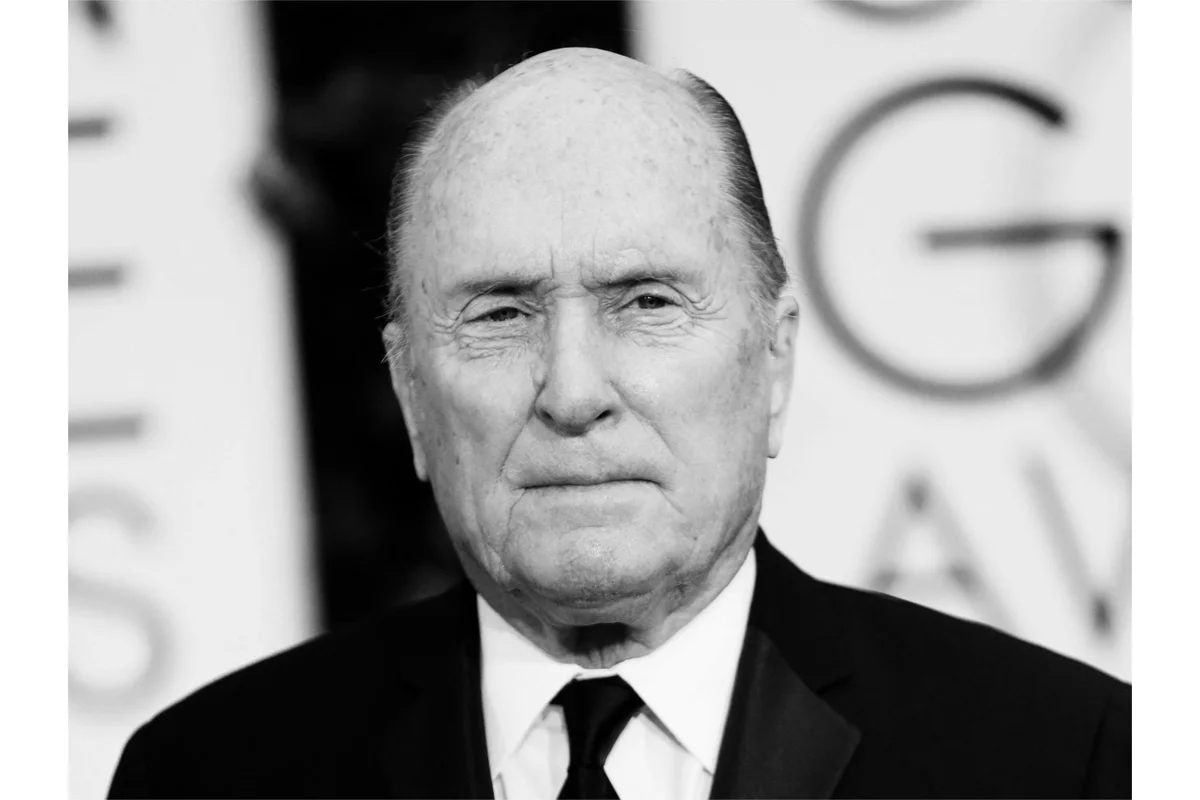
Robert Duvall is the primary entity for this article, supported by Entertainment topic context.
Related WII context: related keeper article. External authority context: industry context.
Robert Duvall, renowned for his role as Tom Hagen, the trusted consigliere to the Corleone family in The Godfather series, passed away on Sunday, February 16, at the age of 95. His wife, Luciana Duvall, shared the news on Facebook, emphasizing how he died peacefully at home surrounded by loved ones. Duvall’s career, marked by an unwavering commitment to authenticity and humility, cemented his Robert Duvall acting legacy as one of Hollywood’s most respected character actors.
A Groundbreaking Career Rooted in Listening and Authenticity
Throughout his seven-decade career, Duvall distinguished himself not by seeking the spotlight but by elevating those around him. He became legendary for his ability to listen and respond truthfully in every scene, creating performances that felt deeply genuine. He once said,
“It all begins with and ends with talking and listening,”
and added,
“I talk, you listen; you talk, I listen…. That’s the journey in an individual scene. There’s no right or wrong; just truthful or untruthful.”
This philosophy defined his acting style and helped make every character he portrayed memorable.
While Duvall won seven Academy Award nominations and earned a win for 1983’s Tender Mercies, his true strength was that of a selfless supporting actor. He rarely demanded the close-up or the leading role but became the foundation that held films together, turning what might have been small parts into unforgettable moments. His ability to transform a side role into a central presence was unmatched among his peers.
Early Life and Formative Years
Born in San Diego, California, in 1931, Robert Duvall grew up in a family influenced by strong ties to both the military and the arts. His father was a Navy rear admiral who expected Duvall to follow a military path, but his mother had aspirations for acting that the young Robert ultimately pursued. After graduating with a drama major from Principia College in Illinois, Duvall served in the army from 1953 to 1954, narrowly avoiding deployment during the Korean War.
Utilizing the GI Bill, he furthered his education at The Neighborhood Playhouse in New York City, studying under Sanford Meisner. There, he formed close bonds with fellow aspiring actors Gene Hackman and Dustin Hoffman. During their early years in New York, the trio shared a cramped apartment while navigating the challenges of low-paying jobs and constant auditions, driven by ambition and determination.
Rising Through Theater and Early Screen Roles
Duvall’s start in the performing arts came in New York’s vibrant off-Broadway scene during the late 1950s. He took on parts in classic plays such as Arthur Miller’s A View from the Bridge. Gene Hackman recalled Duvall’s intense presence during one rehearsal:
“In the first rehearsal, Bobby already had this kind of physical thing he was doing—like an animal—kind of glided across the stage. I was really impressed.”
The role had such an impact on Duvall that he was sometimes moved to tears during the final monologue.
By the early 1960s, Duvall transitioned smoothly into television, appearing in shows like Naked City and The Twilight Zone. His film debut came with the 1962 classic To Kill a Mockingbird, where he portrayed the mysterious Boo Radley. Dustin Hoffman once remarked,
“The feeling was that Bobby was the new Brando. I felt he was the one, and probably I wasn’t,”
highlighting Duvall’s rising stature in Hollywood.
Honors and Lasting Influence
Over time, Duvall’s steady rise earned him recognition with multiple Oscar nominations and a win, yet he remained grounded, embodying the true spirit of a character actor who supported and strengthened his fellow cast members. His dedication to truthful storytelling set a benchmark for actors who value depth and realism over flashy performances.
His death marks the end of an era for the generation of actors who helped define Australian theatre and the New Hollywood movement. With a career stretching from gritty off-Broadway shows to some of Hollywood’s most iconic films, Robert Duvall leaves behind a lasting legacy that will inspire actors and audiences alike for years to come.
