
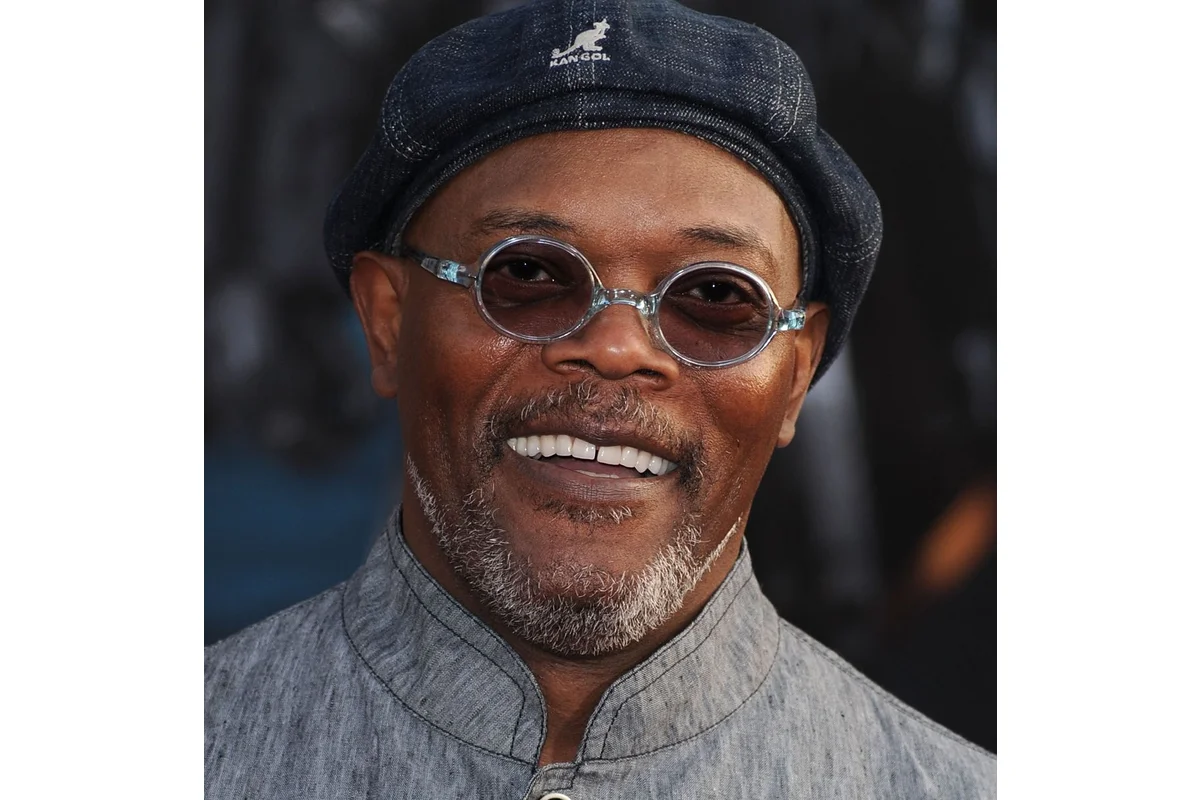
Samuel L. Jackson is reportedly in discussions to appear in the upcoming Batman sequel directed by Matt Reeves, set for release in 2027. This development has sparked significant attention due to Jackson’s prominent role in the Marvel Cinematic Universe, raising questions about the crossover of actors between major superhero franchises.
From Marvel Icon to Potential DC Role
The 77-year-old actor, best known within the Marvel Cinematic Universe as Nick Fury—the former director of S.H.I.E.L.D. and a founding member of the Avengers—has never previously participated in a DC Comics film. Jackson’s involvement in as many as eleven MCU movies has made him a cornerstone of that universe, making his possible jump to DC’s Batman sequel especially notable.
Online Backlash Over MCU Actors Joining DC Projects
The rumors have ignited frustration and debate among fans, especially on social media platforms. Many Marvel enthusiasts express concern and disappointment over Director Matt Reeves allegedly casting key figures from the MCU in the DC Universe’s Batman Part II. Alongside Samuel L. Jackson, speculation includes other MCU stars like Sebastian Stan and Scarlett Johansson, who portrayed Bucky Barnes and Black Widow, respectively, in the Avengers series.
The online unrest is clear, with fans commenting on the overlap of cast members. One fan asked,
“Bro all MCU is gonna be in the Batman 2 or what?”
Another added,
“Hold Up this is crazy DC and Matt Reeves is picking all the Marvel cast like it’s the infinity stones.”
Uncertainty Surrounds Official Confirmation
Despite these widespread rumors, no official confirmation has been made regarding Samuel L. Jackson’s participation in the Batman sequel. The project’s principal cast currently includes Robert Pattinson as Batman, alongside Colin Farrell and Andy Serkis, all confirmed to return for the film scheduled to premiere on October 1, 2027.
Implications for the Future of Superhero Films
The possibility of Samuel L. Jackson joining the Batman sequel symbolizes a surprising blurring of lines between the Marvel and DC cinematic worlds, which have traditionally remained separate. If true, it may signal a new approach to casting that could reshape fan expectations and provoke further discussions about franchise identities in blockbuster superhero films.
Related semantic context: related coverage · external reference.
