
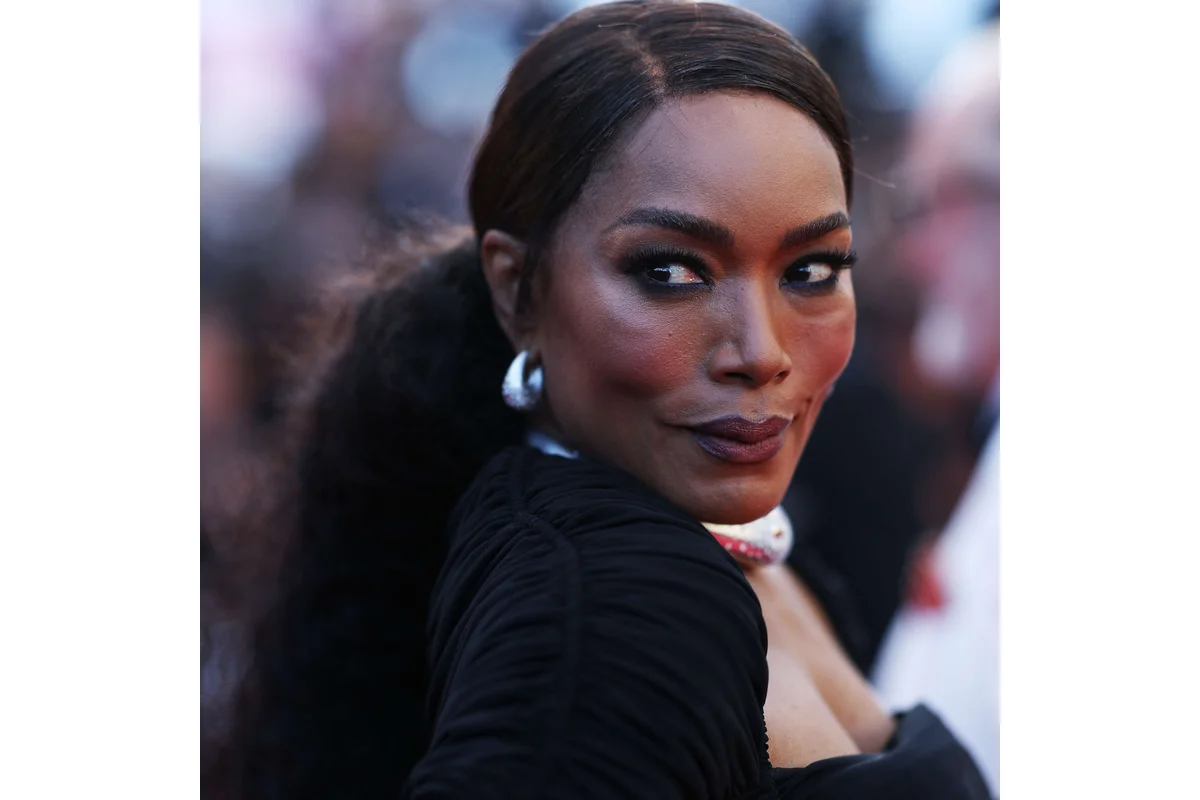
Angela Bassett is the primary entity for this article, supported by Ai topic context.
Related WII context: related keeper article. External authority context: industry context.
Angela Bassett delivered a powerful message on the limitations of current diversity, equity, and inclusion efforts within the entertainment industry while accepting the Excellence in the Arts award at the 9th Annual American Black Film Festival (ABFF) Honors on Monday night. Speaking candidly about the evolving landscape shaped by technology and shifting business models, Bassett emphasized the need for authentic empowerment of Black creatives beyond symbolic gestures.
Challenging the Current State of Inclusion and Belonging
In her acceptance speech, Bassett highlighted the complex challenges facing diversity and inclusion today, pointing out how the language of inclusion is sometimes dismissed or altered in ways that undermine its original intent. She remarked that terms once full of hope are now at risk of being erased. Against the rapid pace of technological change and industry transformation, she posed critical questions about the future role of Black artists. Bassett asked who would be included in shaping the stories and who would have the power to decide what narratives are told in this evolving entertainment world.
Someone said earlier, and it’s true, we are living in a moment where the language of inclusion and belonging is being challenged, rebranded and in some cases, erased altogether,
Bassett said.
Words that once felt like promise and possibility are now treated as words to avoid. And this shift has landed in our very real lives, real careers and real dreams. At the same time, our industry is transforming at lightning speed. Technology is moving faster than wisdom. Business models are shifting under our feet. Stories are being shortened, flattened and sometimes stripped of their soul in the name of efficiency and projected progress. And in moments like this, I believe it’s fair and necessary to ask, where do Black creatives fit into this future? Who gets to imagine it? Who gets to participate? Who gets to decide?
—Angela Bassett, Actress and Producer
Reflecting on Representation and the Power of Community
Bassett reflected on her own career beginnings, recalling how few examples existed for Black women portraying complex and enduring characters on screen, and how rare it was to see Black creatives behind the scenes in leadership roles. Despite these challenges, the support of community and hope propelled her forward. She emphasized the importance of those who created space for Black stories and recognized the persistent truth that these narratives are not fleeting trends but enduring realities.
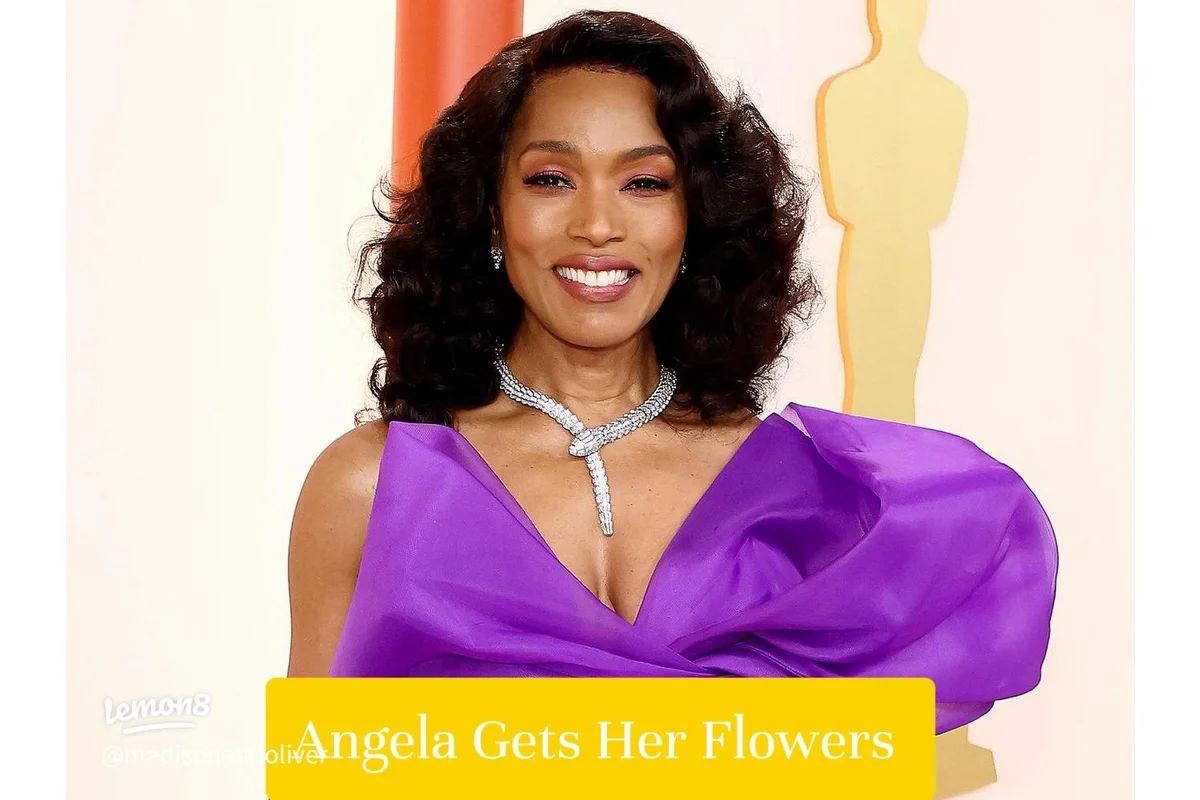
I came into this business at a time when there were very few examples that told me that a Black woman could live a full, complex, enduring life on screen, and even fewer that suggested that she could ship what happens behind the camera,
Bassett shared.
But what carried me forward was community. What pushed me to keep going was hope. Those Black men and women who made room, those peers who told the truth, those audiences who showed up anyway and a persistent sacred belief that our stories are not trends. They are truths.
—Angela Bassett, Actress and Producer
Standing Firm Against Backlash While Amplifying Black Voices
After receiving applause, Bassett addressed current hostilities toward Black creatives, noting that those at the highest levels of power often target them with misinformation and racism. She stressed that the best response is to continue telling authentic stories that reveal the strength and depth of their experiences. Bassett called for a recognition not only of Black excellence but also of belonging and permanence within the entertainment industry.
She conveyed a vision sustained by hope—not merely for inclusion, but for empowerment beyond symbolic milestones. Bassett urged investment in the long-term development of Black talent, ownership, mentorship, and legacy. She expressed a call for unity in facing cultural shifts, encouraging artists to support each other rather than retreating.
When I look at this moment, challenging as it is, hope is still what sustains me,
Bassett concluded.
My hope for the future is not simply that we are included. My hope is that we are empowered. I hope we move beyond ‘firsts’ and ‘onlys,’ beyond symbolism without infrastructure. I hope we invest not just in talent but in longevity, in ownership, in mentorship, in legacy. And I hope when the cultural winds shift, as they always do, we do not retreat from one another but that we pull together. To the young artists in this room and those watching who are wondering if there’s still a place for you, hear me and hear me well: You belong here. Your voice matters. And this industry is better when you are shaping it. And to those with power, real power, I challenge you. Be brave. Choose courage over comfort to understand that the future of film and television will not be saved by playing it safe but by allowing us all to have a voice.
—Angela Bassett, Actress and Producer
Honoring Outstanding Figures and Emerging Voices at ABFF
Bassett was among five honorees recognized at the ABFF ceremony. Dwayne Johnson received the Entertainment Icon Award, Jennifer Hudson was honored with the Renaissance Award, Salli Richardson-Whitfield earned the Evolution Award, and Damson Idris was given the Horizon Award. A special tribute was also paid to the team behind the film Sinners, with Oscar-nominated stars Michael B. Jordan and Wunmi Mosaku presenting the award to producers Ryan Coogler, Zinzi Coogler, and Sev Ohanian, marking a moment of celebration for Black cinematic storytelling.
Dwayne Johnson on Breaking Stereotypes and Defining His Own Path
In his acceptance speech, Dwayne Johnson spoke about the challenges he faced entering Hollywood as a half-Black, half-Samoan man without a clear role model or blueprint. He described the pressure to conform by downplaying aspects of his identity or changing his persona, which ultimately felt inauthentic. Johnson resolved to forge his own way and break existing industry expectations.
When I first got to Hollywood, I looked around, and I didn’t see anybody who looked like me; I didn’t see a half-Black, half-Samoan man who I could look to or that was a blueprint,
Johnson explained.
I was told back then — the big stars at that time [were] George Clooney, Johnny Depp and Will Smith — ‘well, you shouldn’t call yourself The Rock.’ ‘Maybe you shouldn’t go to the gym as much.’ ‘You shouldn’t talk about wrestling.’ ‘They do it like that, you should do it like this.’ And I tried that for a little while, and I thought, ‘This doesn’t feel right to me.’ I wanted to break that infrastructure, and I said, ‘Well, I’m going to do this. I’ve got to do it my way.’
—Dwayne Johnson, Actor and Producer
He also spoke about the common inner drive among artists to pursue greatness despite obstacles and constraints. Rejecting the idea of staying confined within prescribed limits, Johnson expressed his willingness to fail while remaining authentic.
I feel like everybody in this room and in our industry, as artists, as creatives, as human beings, I believe we all have that chip. It’s that desire to chase that greatness,
Johnson said.
We also have this fire in our spine, I believe, to do more and to buck the odds. And when someone says, ‘Hey, you should do it like this,’ or ‘You can’t do it like that,’ or ‘Stay in your lane; it’s working,’ I don’t want to stay in my lane. I want to do more. I want to take a brass ring and take it to places that it’s never been taken before. And if I fail, that’s okay because I failed being myself.
—Dwayne Johnson, Actor and Producer
Looking Ahead Towards Sustained Change in Entertainment
The remarks by Angela Bassett and fellow honorees at the ABFF reflect a shared commitment to reshaping the entertainment industry through authentic representation, empowerment, and support for Black creatives. As advancements in technology and market shifts continue to accelerate, there remains a critical need for inclusive infrastructure that nurtures talent longevity and ownership.
Bassett’s insistence on moving past surface-level diversity efforts toward substantive change underscores an urgent call for those in power to embrace courage and inclusivity. With rising pressures and backlash threatening the progress achieved, the industry’s evolution depends on amplifying diverse voices and ensuring meaningful participation of Black artists in storytelling and decision-making.
The ongoing celebration of achievements by figures such as Ryan Coogler, Jennifer Hudson, and Damson Idris at the ABFF signals a hopeful future for Black creatives, where systemic barriers can be challenged and new narratives established. The industry’s strength will rely on sustaining these efforts beyond symbolic milestones to create enduring transformation.
