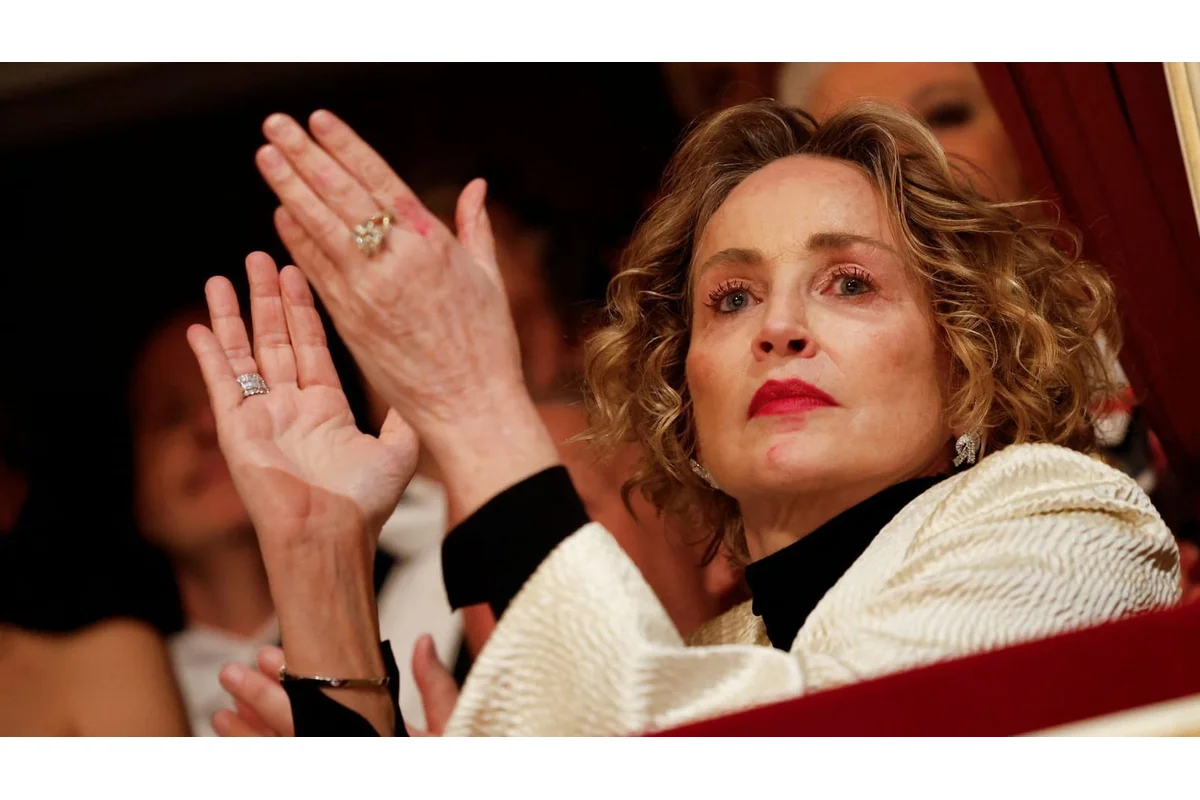
Actress Sharon Stone, at 67 years old, addressed society’s ongoing discomfort with aging and nudity in a candid Instagram post shared on February 16. Discussing her personal reflections triggered by a nude painting in her art studio, Stone highlighted the contradictions in how people embrace violence yet fear the natural human form, linking these observations to the broader concern about aging. In doing so, she emphasized the need to overcome the fear commonly tied to growing older and simply existing in one’s body.
Unfiltered Reflections on Aging and the Body
In a video posted alongside her message, Stone asked pointed questions that challenge cultural taboos:
“Are we supposed to be terrified when we look in the mirror?”
she asked.
“Is it supposed to be a secret when we pee and poo and brush our teeth? Why are we supposed to be afraid of our own human self? It’s like the weirdest idea in the world to me.”
She added a personal viewpoint on bodily acceptance:
“Excuse me, I wear it every day. I get up in it. I go to sleep in it. I pee in it. I poo in it. It’s my apartment. I live here.”
Her Instagram caption expanded these ideas, expressing frustration with societal standards in 2026.
“Why in 2026 are we still afraid of aging & living in our own selves,”
she wrote.
“We are more than appearance… we are artists, mothers, sisters, wives, nurses, teachers… and the list goes on!”
Stone recounted how the filming crew touring her studio asked to move a nude painting titled “the Goddess” out of frame. She criticized this aversion, pointing out how people tolerate constant exposure to violence but shy away from the human body’s natural state:
“We are afraid of nudity on our screens, our bodies, our home… but not violence or every other thing we are constantly bombarded with day in and day out? Get real!”
Public Response and Support from Fans
Fans reacted positively in the comments, sharing messages of support and appreciation for Stone’s authenticity. One admirer wrote,
“Thank you for being so authentically you! Such an inspiration, Sharon ❤️,”
while another added, “AMEN SISTER! 🙌🏽❤️,” celebrating her openness. A third follower reflected on the importance of self-love across all life stages:
Image of: Sharon Stone
“So very true, Sharon! I’m glad you said this. We must begin to love ourselves and be comfortable in our bodies and ourselves, at all stages of our lives.”
Sharon Stone’s Past Views on Aging and Body Acceptance
Stone has spoken about embracing aging and the body’s changes in previous interviews. In March 2025, she told The Sunday Times that many people give up on their bodies as they age but emphasized the importance of continuing to love oneself physically.
“A lot of people give up as they get older,”
Stone explained.
“They let go of their body because it’s collapsing anyway, or it’s like, ‘I’m not defined by my body anymore.’ But you still have to love that body.”
Reflecting on her own experience as a painter and the physical transformations she has noticed, Stone remarked with humor and acceptance:
“I joke that my underarms have pleats now. I think, ‘Well, I had beautiful arms and now they’re strong and painting and like angel wings. So what if they have pleats? Maybe that’s what makes them wonderful now.’”
Gratitude and Perspective on Age from Sharon Stone
Before her 66th birthday, Sharon Stone expressed gratitude for health and longevity in an interview with The Times in the U.K. She stated,
“I think that we should all be super-thrilled to make it,”
acknowledging the fragility of life.
“Because I’ve witnessed any number of people not making it.”
She also criticized the embarrassment some feel about aging:
“I think that people who are embarrassed about being older are just stupid and ungrateful,”
Stone stated plainly, challenging societal attitudes toward getting older.
The Cultural Debate on Aging and Body Image Continues
Sharon Stone’s outspoken stance reignites conversations about the fear surrounding the natural aging process and the body’s bare form, highlighting contradictions in societal values. Her role transition from actress to painter has deepened her perspective on self-acceptance and creativity beyond physical appearance. As public figures like Stone challenge stigmas, there may be growing pressure for media and culture to reconsider how aging and the human body are portrayed, potentially fostering a broader acceptance of authenticity and vulnerability.