
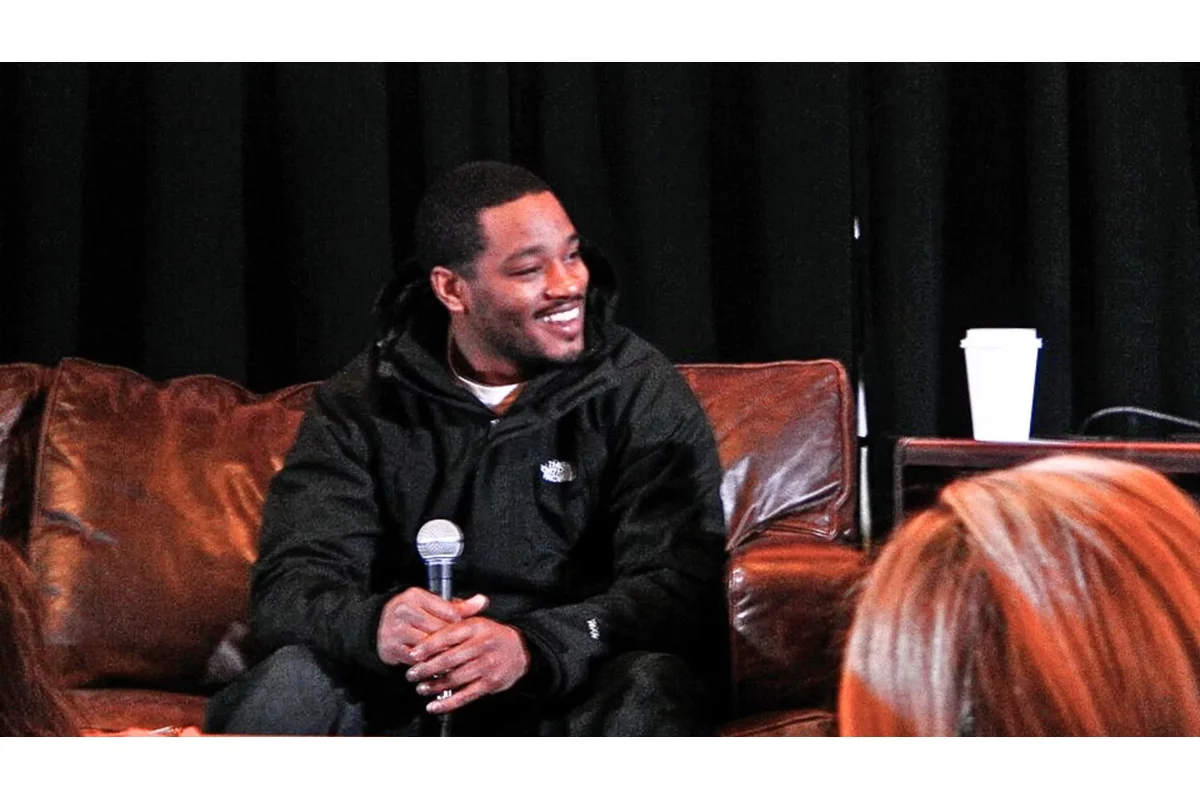
On February 7, the Directors Guild of America convened their nominees for Outstanding Directorial Achievement in Theatrical Feature Film at their Los Angeles Theater. Among those featured were Paul Thomas Anderson for One Battle After Another, Ryan Coogler for Sinners, Guillermo del Toro with Frankenstein, Josh Safdie for Marty Supreme, and Chloé Zhao for Hamnet. The nearly two-and-a-half-hour conversation, moderated by Jeremy Kagan, offered a detailed look into the creative processes behind these films, highlighting Ryan Coogler filmmaking insights.
Exploring Directors’ Unique Approaches to Storytelling and Casting
The conversation revealed how each director prepares and directs their projects. Anderson spoke of immersing himself in music like “Cowboy Carter” on the way to his set. Del Toro explained that the eyes of actors are his primary criterion when selecting cast members, placing immense value on the visual connection. Josh Safdie described his method as akin to documentary filmmaking, capturing authenticity on the fly. Meanwhile, Chloé Zhao discussed her techniques for tapping into subconscious bonds between actors, while Ryan Coogler reflected on advice he received from Sean Durkin about filming a performer portraying twins, emphasizing the complexity of that process.
Paul Thomas Anderson Recalls Challenging Location Work at the Border
Anderson shared an intense story regarding the opening sequence of his film, recalling the obstacles they faced shooting near the San Diego border wall. He said,
“We had shot the opening sequence once and we didn’t really like the way that it went. We wanted to put it at the border by San Diego, right on the wall. We had done such a good job, the border patrol was so happy with us the first time around, when we went with Teyana [Taylor], they said that we could shoot on the wall and create a temporary internment camp under the freeway. And I said [to my crew], ‘How did you do this?’ And they said, ‘Do not ask. I don’t really know.’ And so we shot that opening sequence in three days just waiting for somebody to say, ‘You need to go away! What are you doing here?’”
Paul Thomas Anderson
He further described the surreal experience of filming amidst active border crossings:
“Even to the point where we’re shooting fireworks off into Mexico. While we were shooting, we would watch people [and] I couldn’t tell our background extras from people who were really crossing the border. I’m not kidding. I was shooting a scene in a tiny little trailer and I saw a family walk by behind Teyana and I thought, ‘Well, the ADs let some extras walk through to go to the bathroom or something like that,’ but it was a family that was crossing the border. I don’t know what the hell happened there and I didn’t ask any questions. I still don’t know the answers. It’s still a great mystery to me, but securing that location was hard.”
Paul Thomas Anderson
Significance of the Session and Its Impact on Filmmaking
This extended dialogue among prominent directors provides an unvarnished glimpse into the high-pressure, sometimes chaotic realities of filmmaking, exposing the tensions and challenges involved. Ryan Coogler filmmaking insights, alongside those of his peers, illuminate the personal and professional hurdles these artists overcome to bring their stories to life. The depth of discussion emphasizes the essential collaboration and adaptability required, hinting at how future projects might continue to evolve through shared knowledge and experience within the filmmaking community.

Related semantic context: related coverage · external reference.
