The Berlin Film Festival has become the center of a heated political dispute, marked by sharp exchanges over the role of art in addressing global conflicts. This turmoil unfolded in early 2024 at the event held in Berlin, as tensions escalated on the subject of the Israeli-Palestinian crisis, drawing voices from filmmakers, actors, and political commentators alike. The debate intensified after remarks from jury president Wim Wenders about the festival’s funding and its ties to the German government’s support for Israel, compelling prominent figures including Ethan Hawke to step in and attempt to ease the discord.
Wim Wenders’ Remarks Spark Backlash on Art and Political Expression
During a question-and-answer session, Wim Wenders emphasized a separation between the festival’s art and politics, stating that,
“We have to stay out of politics because if we make movies that are dedicatedly political, we enter the field of politics,”
and added,
“But we are the counterweight of politics, we are the opposite of politics. We have to do the work of people, not the work of politicians.”
These comments ignited widespread criticism among journalists covering the event and on social media platforms, with detractors accusing Wenders of dismissing the urgency of political realities in art. One prominent critic, author Arundhati Roy, withdrew her planned participation in the festival, condemning his response as “unconscionable.”
Roy expressed her concern sharply, saying,
“It is a way of shutting down a conversation about a crime against humanity even as it unfolds before us in real time – when artists, writers and filmmakers should be doing everything in their power to stop it.”
Her statement referred directly to the ongoing Israeli military operations in Gaza and the broader humanitarian crisis that many viewed as a central moral challenge for the arts community.
Context of the Conflict: Gaza and Accusations of Genocide
The backdrop to these heated exchanges includes last September’s United Nations commission report, which labeled Israel’s military actions in Gaza as constituting genocide. In response to the October 7 terrorist attacks by Hamas—which resulted in the deaths of roughly 1,200 Israelis and the abduction of 251 hostages—the Israeli government mounted a large-scale military campaign. According to figures from the Hamas-administered Gaza health ministry, the death toll there has exceeded 70,000, a number reportedly acknowledged by the Israeli military earlier this year. This devastating human toll has layered the political discourse throughout the festival with intense moral urgency.
Performers’ Hesitation and Festival’s Response to Political Questions
Other high-profile actors at the festival also addressed the controversial intersection of art and politics, though with more cautious tones. Neil Patrick Harris, questioned about whether artists should keep their work apolitical, replied,
“As artists, I’m always interested in doing things that are apolitical because we’re all, as humans, wanting to connect in some way.”
Michelle Yeoh avoided direct commentary on political issues, stating she was
“not in a position to really talk about the political situation in the US.”
Following these remarks and an intense online backlash, the Berlin Film Festival issued a statement defending the free speech environment at the event. The organizers acknowledged the pressure on filmmakers to address political questions but highlighted the complexity of condensing nuanced views into brief soundbites, saying,
“They are criticised if they do not answer, and they are criticised if they answer and we do not like what they say. They are criticised if they cannot compress complex thoughts into a brief sound bite when a microphone is placed in front of them when they thought they were speaking about something else.”
The statement also pointed out that the festival’s 278 films tackled heavy themes such as genocide, sexual violence, governmental corruption, abuses of state power, and colonialism, reflecting a broad engagement with pressing social issues. The festival insisted,
“Artists should not be expected to comment on all broader debates about a festival’s previous or current practices, over which they have no control.”
Open Letter Accuses Festival of Censoring Opposition Voices
Tensions escalated further after an open letter signed by 80 actors and filmmakers—many of whom are alumni of the festival, including Tilda Swinton, Javier Bardem, Adam McKay, Peter Mullan, Tobias Menzies, Alison Oliver, Alia Shawkat, Brian Cox, Mike Leigh, Lukas Dhont, and Nan Goldin—accused the Berlin Film Festival of censorship. The letter stated,
“We are dismayed at the Berlinale’s involvement in censoring artists who oppose Israel’s ongoing genocide against Palestinians in Gaza, and the German state’s key role in enabling it.”
The dissenting artists denounced what they described as past actions to silence filmmakers advocating for Palestinian rights. They noted,
“Last year, filmmakers who spoke out for Palestinian life and liberty from the Berlinale stage reported being aggressively reprimanded by senior festival programmers. One filmmaker was reported to have been investigated by police.”
This accusation added a new layer of controversy to the festival’s already fraught political atmosphere.
Ethan Hawke Offers a Call for Unity and Responsibility
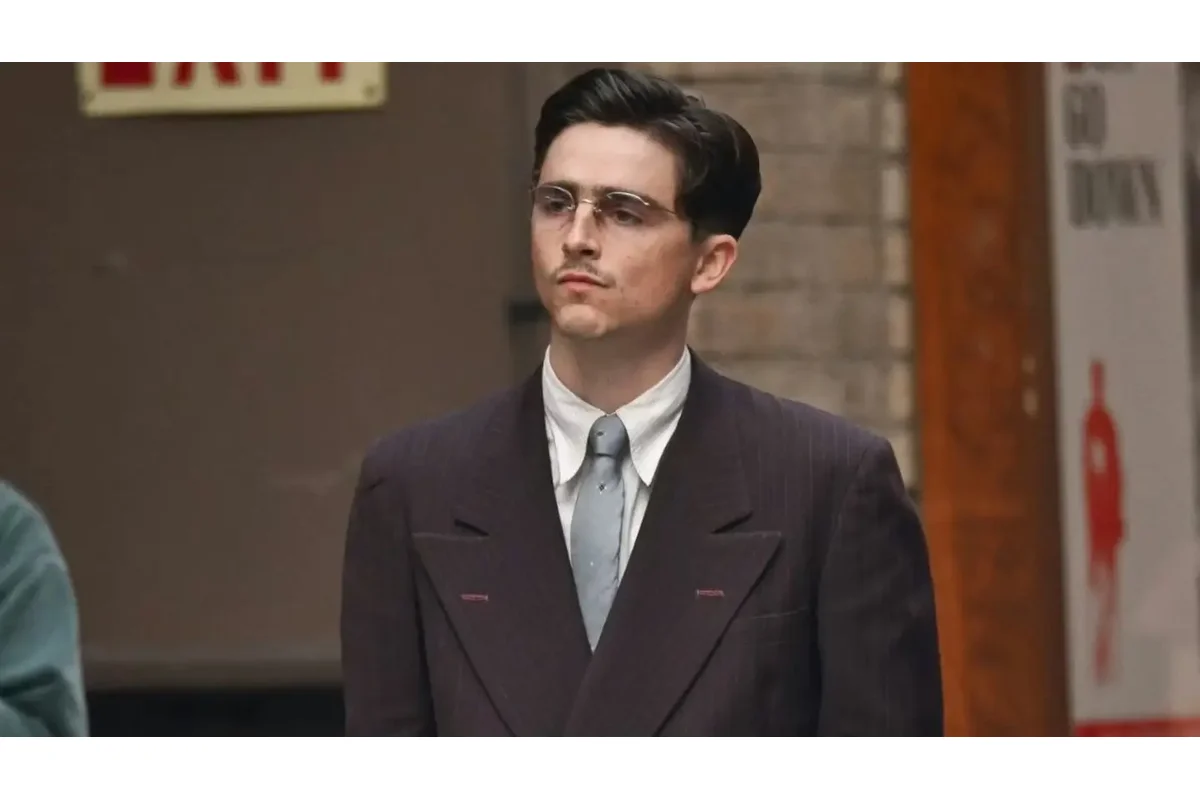
As the controversy swirled, Ethan Hawke, present to promote his historical drama The Weight, addressed the heated political debate with a tone that helped to calm nerves. Opening with humor, he remarked,
“the last place you probably want to look for advice in your spiritual counsel is a bunch of jet-lagged, drunk artists talking about their films,”
a comment that elicited laughter and applause and seemed to defuse some tension in the room.
Hawke then spoke about the unique capacity of cinema to foster healing, affirming,
“anything that fights fascism, I’m all for it.”
Later, responding to questions about the open letter and artists’ involvement in politics, he said,
“You know, people say, ‘actors shouldn’t talk about politics,’ and things like that. I feel like the answer is the absolute inverse, that everybody should be – we’re all citizens of the world and all of us matter, all of us have a voice and everybody’s welcome to disagree. That’s part of the benefit of living in a free society.”
He emphasized that artists share their work rather than dictate actions, stating,
“Yeah, we get microphones thrown in front of our faces, but it’s not because we’re telling people what to do. We’re just sharing art.”
Reflecting on humanity’s challenges, Hawke remarked on the importance of protecting future generations, saying,
“It seems to be very difficult for humanity, and the more we make it a priority to take care of all the children, that’s our job as grown-ups, to take care of the young people in our lives and make sure they have a good world to be born into and thrive into.”
He concluded with a call to collective responsibility:
“We all have to think about how we all contribute to do the good we have the power to do.”
Significance of the Debate and Prospects Ahead
The dispute at the Berlin Film Festival highlights the profound challenges faced by artists operating amid global conflicts and political crises. The fierce exchanges between prominent personalities like Wim Wenders, Arundhati Roy, and the signatories of the open letter reveal deep divisions about art’s proper role in activism and social justice. Ethan Hawke’s measured stance suggests a possible path forward where creators can acknowledge political realities without sacrificing artistic expression or audience connection.
As the festival continues to showcase films confronting genocide, corruption, and state abuses, this debate may shape how future events balance artistic freedom with political engagement. The festival’s ongoing evolution will be closely watched by filmmakers, critics, and audiences worldwide, particularly as conflicts like the one in Gaza remain urgent and deeply contested issues on the global stage.