
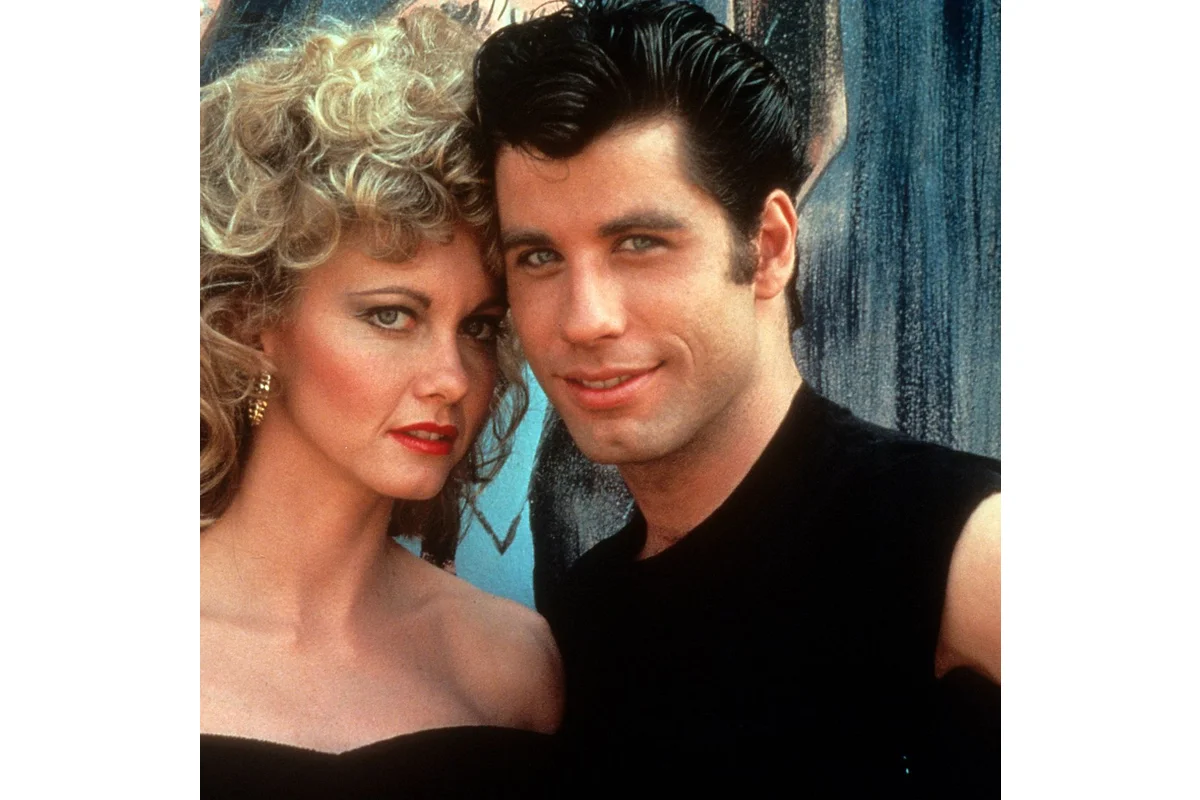
John Travolta, born in 1954 in New Jersey as the youngest of six siblings in an artistic family, first gained widespread recognition in the 1970s after moving to New York to pursue acting and dancing. His rapid ascent to fame was marked by two defining films: Saturday Night Fever (1977) and Grease (1978). These roles made Travolta a global sensation almost overnight, with his portrayal of Tony Manero symbolizing the disco era’s cultural zeitgeist and his work in Grease igniting international fan frenzy.
Travolta became known as the charismatic dancing rebel, blending coolness with vulnerability, and for a time, his image was inseparable from the spirit of the late 1970s.
Career Setbacks and a Remarkable Revival
Despite early accomplishments, Travolta’s career faltered by the 1980s as several of his film projects failed commercially, causing him to fade from leading roles and be associated with a bygone era. However, his fortunes changed dramatically in 1994 when director Quentin Tarantino cast him as Vincent Vega in Pulp Fiction. This film brought Travolta back into the spotlight, earning him an Oscar nomination and reestablishing him as a powerful presence in Hollywood.
Following this comeback, Travolta took on a variety of roles across action films and dramas, evolving from the energetic dancer of his youth into a seasoned character actor while maintaining his relevance on the big screen.
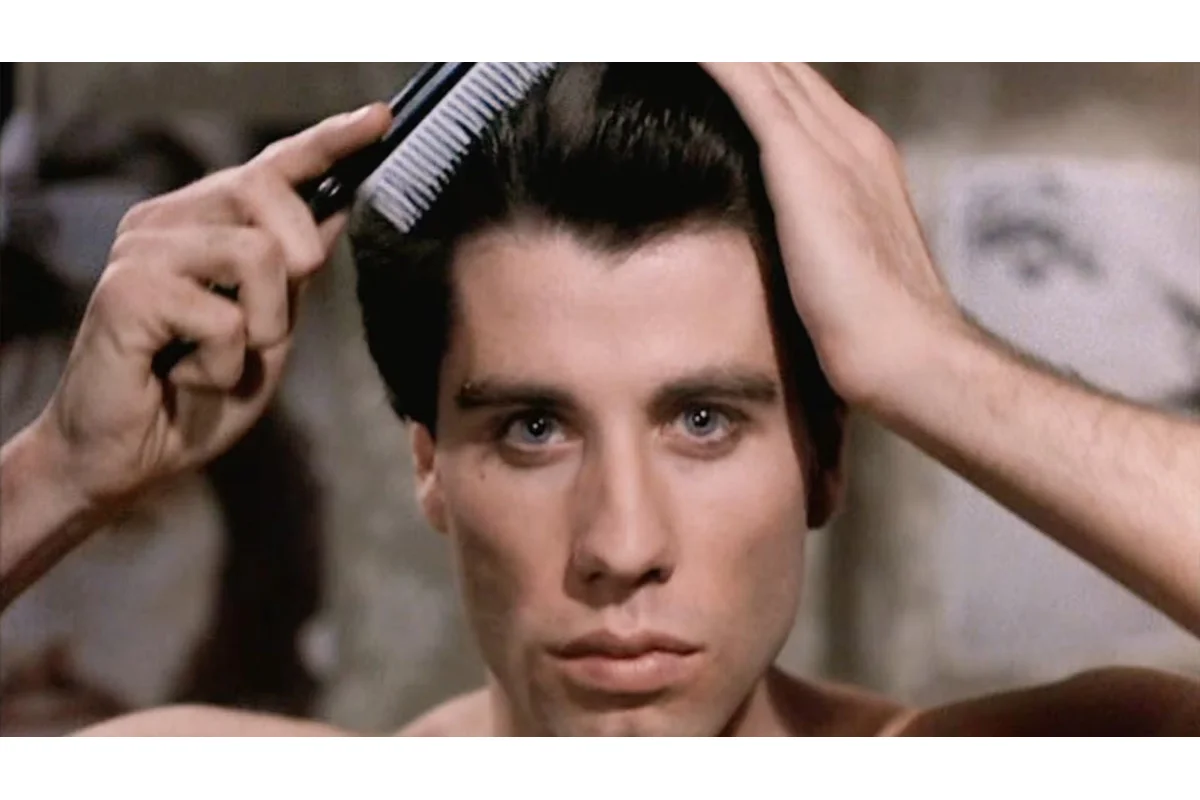
Public Scrutiny and Personal Challenges
Travolta’s public life has been punctuated by both media scrutiny and deeply personal hardships. In the 2000s and 2010s, allegations of misconduct surfaced repeatedly, generating negative press and court cases, some of which were settled quietly or denied, with many accusations never definitively resolved. These controversies influenced public perceptions of the actor and complicated his image.
More profoundly, Travolta endured devastating personal losses, notably the death of his son in 2009 and the passing of his wife, Kelly Preston, in 2020 after a prolonged illness. These tragedies led to a noticeable shift in his public demeanor, making him appear quieter and more introspective.
The Role of Scientology in His Life and Career
Scientology has played a significant part in John Travolta’s life since the 1970s, when he joined the organization. He credits it as a source of support and stability during his most difficult times, particularly in coping with grief and personal crises. Travolta publicly acknowledges that Scientology provides him with strength and guidance.
However, Scientology remains a highly controversial religious movement worldwide, facing accusations ranging from manipulation to coercion. While critics and some former members have described negative experiences, Travolta remains a committed follower and consistently defends his involvement without engaging in confrontations with skeptics.
This affiliation has become a defining aspect of his public identity—either seen as a testament to his loyalty or as a cause for doubt by his critics.
A Lasting Presence in Hollywood and Popular Culture
John Travolta’s career journey illustrates the volatility of fame and the resilience required to sustain a presence in Hollywood across decades. From teen idol through action star to respected character actor, he has navigated dramatic highs and lows. His experience shows a life marked by reinvention and persistence in the face of both professional setbacks and personal difficulties.
Currently, Travolta leads a quieter life, focusing more on family and select professional engagements, while continuing to evoke memories of some of the most memorable cultural moments of past decades. His legacy remains tied to the energy and glamor of an iconic era, making his story one of enduring fascination in the entertainment world.
Related semantic context: related coverage · external reference.
