
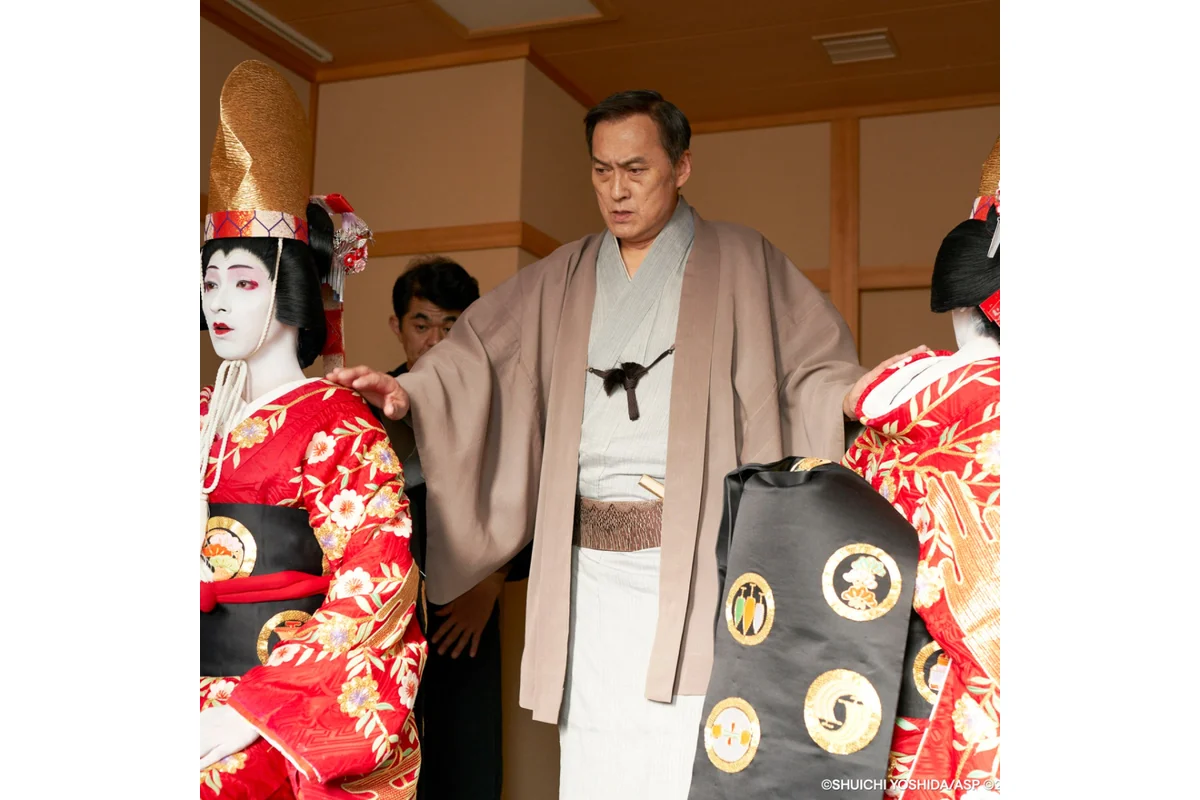
A three-hour movie centered on kabuki, Japan’s traditional theatrical art, defied expectations by becoming a major box office success in Japan last year. Directed by Lee Sang-il, the film Kokuho is based on Shuichi Yoshida’s novel and emerged as the top-grossing live-action Japanese film domestically. Despite its acclaim, Ken Watanabe, the film’s star and an actor known internationally for Hollywood roles such as Inception and Detective Pikachu, initially questioned the project’s viability. Although he admired the novel, he doubted if kabuki’s unique art form could be effectively portrayed on screen.
Ken Watanabe’s Early Doubts About the Film’s Feasibility
When director Lee Sang-il first outlined his plan for the movie, Ken Watanabe was hesitant. He recalls advising the director against making the film, concerned about the strict conventions embedded in kabuki performance.
“Kabuki is a very strict culture in Japan, and it’s hard for a normal actor to play in a kabuki play,”
Watanabe noted. Despite these reservations, the film went ahead and resonated strongly with audiences. Kokuho is now set for a broader release in the United States, debuting in theaters on February 20th.
Storyline Focused on the Lives of Kabuki Performers
The narrative of Kokuho follows two aspiring kabuki actors across five decades, from 1964 to 2014. Kikuo Tachibana, portrayed by Ryo Yoshizawa, is the orphaned son of a yakuza boss who becomes an apprentice to Hanjiro, a legendary kabuki actor played by Ken Watanabe. Alongside them is Shunsuke Ōgaki, Hanjiro’s son, played by Ryusei Yokohama, who has been prepared from birth to carry on his father’s legacy. The film explores their intense dedication to the role of onnagata, men who specialize in female kabuki roles. This portrait blends beauty and intensity, showcasing the sacrifices made by artists in pursuit of excellence.

Demanding Preparation for Authentic Kabuki Portrayals
Kokuho required significant commitment from its actors to faithfully represent the complex and demanding performances of onnagata. The two leads underwent approximately eighteen months of specialized training to master the precise movements. Although Watanabe’s role involved less time performing kabuki within the film, he still engaged in four months of rigorous practice to learn choreography and stagecraft. The experience was intensified by the elaborate costumes, heavy wigs, and long production schedule.
“All difficult things connect to joy,”
Watanabe reflected on the process.
“It’s all part of a process of getting somewhere. So I never really felt like it was painful or extremely difficult. However, I do complain on occasion. Just sometimes.”
Watanabe’s Role as Mentor and Observer in the Story
In the film’s early years, Watanabe’s character Hanjiro acts as a mentor, especially to the younger actors who also compete for his recognition. Child actors Sōya Kurokawa and Keitatsu Koshiyama portray Kikuo and Shunsuke as children, capturing the start of a rivalry that unfolds over decades.
“My role was to watch these two characters from being a child to becoming these great kabuki actors, so I was this watchful eye throughout their careers,”
Watanabe explained. He also appreciated watching the young actors grow during filming, noting,
“The child actors worked really hard as well, so I got to see them grow up through the process of the film, which is a new experience for me.”
Professional Approach to Acting Beyond Mentorship
Though his character served as a mentor on screen, Watanabe maintains a different perspective off camera. Having had a long and distinguished career, he avoids assuming a teaching or guiding role with his peers.
“When I was young, I always felt that acting with others was like stepping into the same ring, and that our career and level of experience doesn’t matter,”
he said.
“I still approach acting the same way. I don’t take the role of a teacher or someone who guides in real life, because we’re all equals stepping up into the same ring.”
Reasons Behind the Film’s Unexpected Popularity
Watanabe remains uncertain about why Kokuho struck such a chord with audiences, especially younger viewers. He suggests that the meticulous detail of the production might be a factor. Beyond the striking kabuki costumes and performances, the sets accurately reflect each era from the 1960s through 2014, providing rich historical context. After the film’s premiere in Japan, he monitored social media reactions and was surprised by the enthusiasm of a younger demographic.
“I realized that young people love this movie. Then maybe a month later, we couldn’t believe the success,”
he remarked.
A Personal and Nostalgic Experience for Watanabe
Working on Kokuho was rewarding for Watanabe, despite his initial doubts. Although new to kabuki, Watanabe’s roots in stage acting run deep. He made his Broadway debut in 2015 leading The King and I, bringing familiarity to theatrical discipline that informed his approach to this film. He described filming Kokuho as “kind of like déjà vu,” a sensation that made viewing the final cut emotionally powerful.
“I couldn’t stop the tears seeing the final moment of this film,”
Watanabe shared.
Related semantic context: related coverage · external reference.
