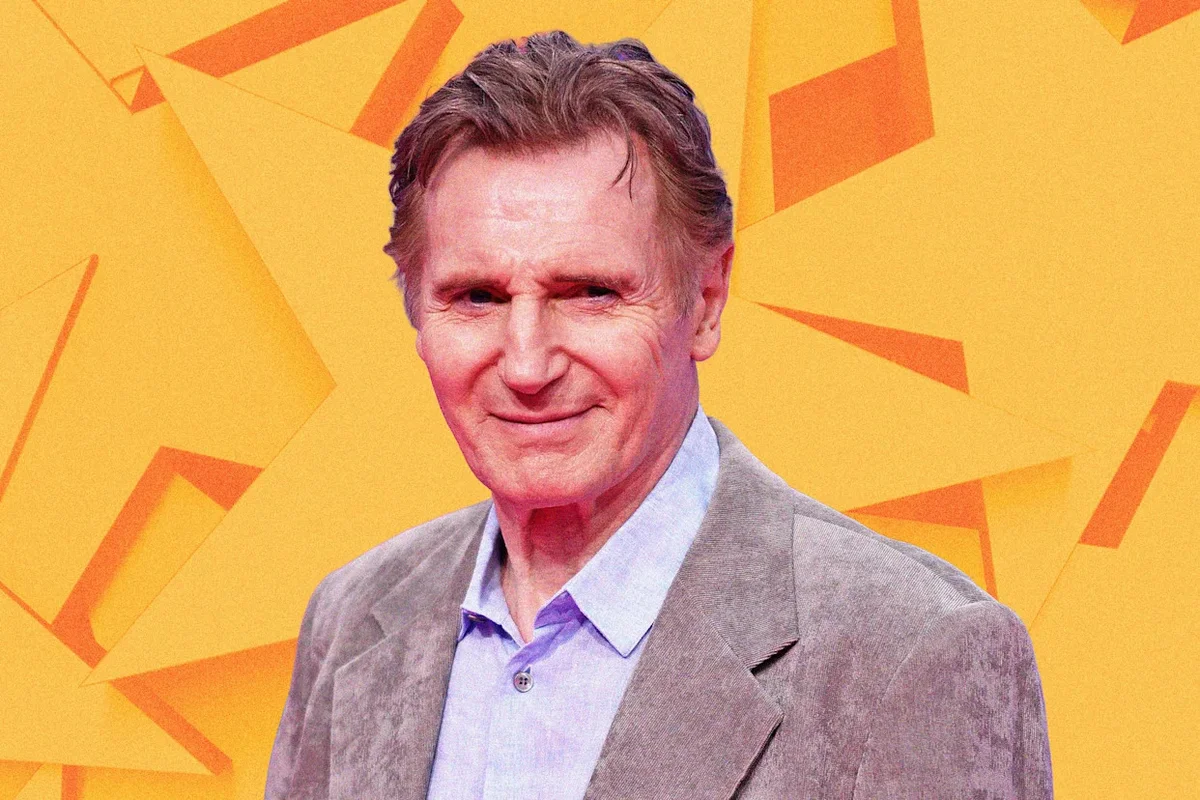
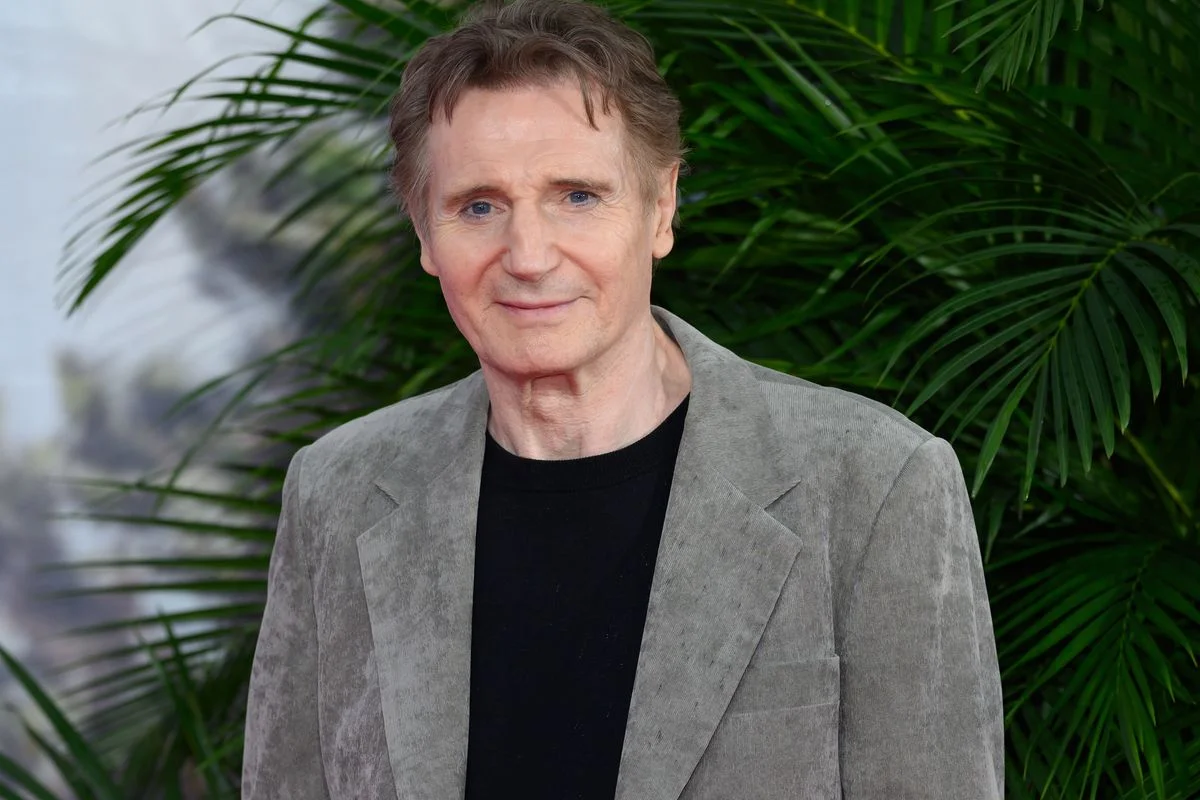
Liam Neeson, the veteran Northern Irish actor, has expressed deep unease about the evolving future of the film industry, particularly the increasing shift from traditional cinema releases to streaming platforms. Speaking ahead of the UKrelease of his new thriller Cold Storage, Neeson highlighted the uncertainty facing Hollywood’s future and the impact this change could have on feature films.
At 73 years old, Neeson’s career has spanned nearly 50 years, featuring iconic roles such as Oskar Schindler in Schindler’s List and key parts in Michael Collins. While promoting Cold Storage, where he plays Robert Quinn, a seasoned expert combating bioterror threats, he shared his worries about the industry’s direction during an interview with the Press Association.
Streaming’s Disruption of Traditional Cinema
Neeson spoke candidly about the radical changes underway in Hollywood, emphasizing how mergers of streaming services and corporate buyouts are reshaping the landscape. He said,
“The movie industry is changing, streaming services are merging, companies are being bought out,”
expressing broad concern about what these developments mean for feature films.
“We’re all very concerned about the state of Hollywood. What’s going to happen to feature films?”
His comments reflect a growing anxiety among actors and filmmakers who have relied on the theatrical experience for decades, now facing a world where releasing movies directly to digital platforms could become the norm.
Career Reflections and Industry Challenges
Despite his extensive success, including an Academy Award nomination for Schindler’s List, Neeson acknowledged the challenges inherent in the acting profession. He admitted, I’ve been very, very lucky, while pointing out the precarious nature of the work.
Image of: Liam Neeson
“I have friends and acquaintances, actors, some of whom haven’t worked for months and months. It’s a profession filled with rejection. It really is.”
He also shared how early career critiques often felt intensely personal, describing how casting agents questioned his suitability.
“You’re told, ‘You’re not right, you’re too Irish. Can you change your accent? Oh, you’re taller than I thought you were.’ All this kind of criticism follows you throughout your career, certainly in the early days. I’ve been very, very lucky.”
Interest in New Talent and Collaborations
Despite his veteran status, Neeson revealed a strong enthusiasm for working with younger filmmakers, recognizing emerging talent within the industry.
“I’d love the chance to work with up-and-coming directors,”
he said.
“I may be a little out of touch, but there just seems to be incredible talent out there.”
He praised his co-stars in Cold Storage, highlighting their positive influence on his performance. While admitting unfamiliarity with Joe Keery and Georgina Campbell before the project, he said,
“I didn’t know Joe’s work, I may have seen a couple of early episodes of Stranger Things. Georgina, I didn’t know at all.”
Neeson continued,
“They were just terrific to work with. They inspired me and gave me a sense of the pace my character should speak at. Most of my lines involve bioterror-related physics and chemistry, but working with Joe and Georgina on the first day… I loved them. Their chemistry was terrific and inspired how I delivered my performance.”
About the Film Cold Storage
Cold Storage is directed by Jonny Campbell and written by David Koepp, focusing on a critical mission to contain a lethal parasitic fungus escaping from a former US military base. The film follows Quinn, played by Neeson, alongside Teacake and Naomi—young employees at a self-storage facility on the military site, portrayed by Keery and Campbell respectively—as they race to prevent a catastrophic extinction event.
The film is scheduled to debut in cinemas across the UK this Friday, marking a continued attempt to draw audiences back to theatrical experiences amid an uncertain cinematic future.
Implications for Hollywood’s Trajectory
Liam Neeson’s concerns underscore a tense and conflicted moment for Hollywood, facing disruption as streaming platforms grow ever more dominant. While the convenience and accessibility of streaming appeal to many, the future of traditional cinemas and feature film production models seems uncertain. Neeson’s reflections highlight an industry at a crossroads, with significant implications for actors, filmmakers, and audiences alike. How studios and creatives respond to this shifting landscape will shape the next chapter of cinema’s evolution.