
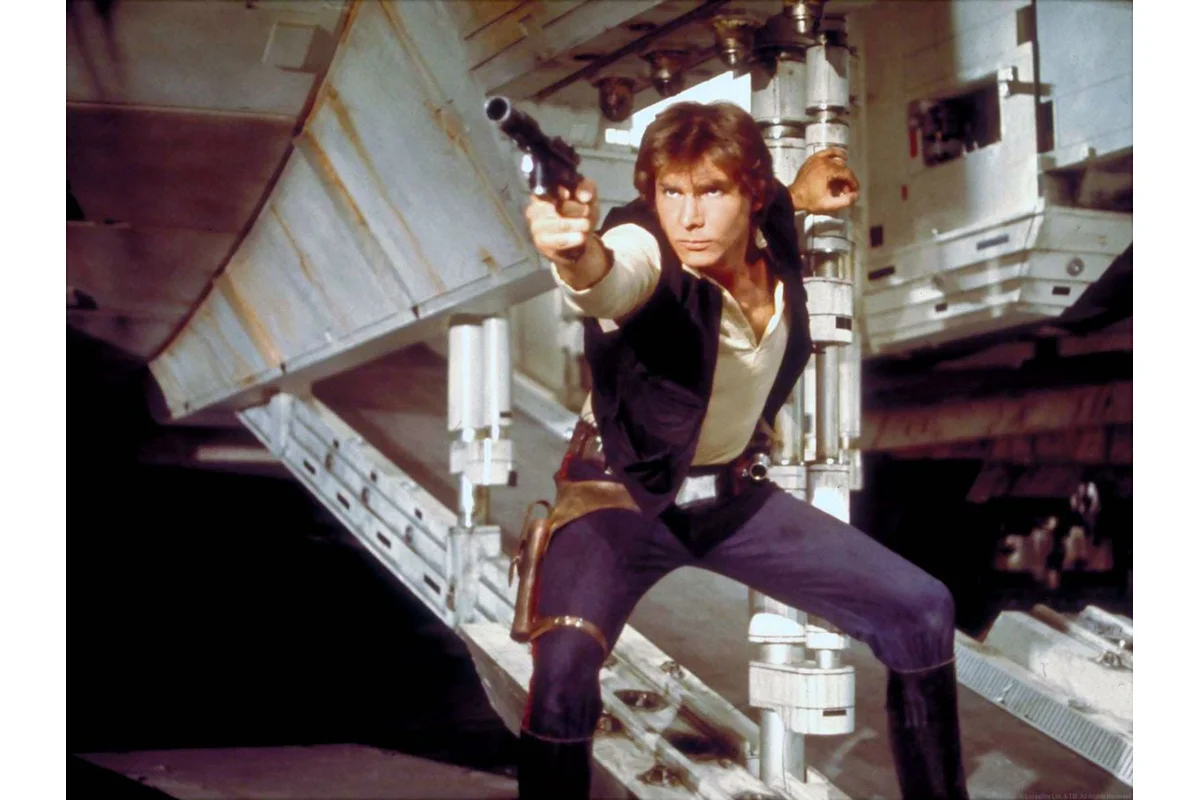
Heroes, released on November 4, 1977, is a Vietnam War movie starring Harrison Ford and Henry Winkler that experienced only a brief theatrical run before becoming available on streaming platforms. Produced by Universal Pictures, the film earned $33.5 million worldwide against a $3.1 million budget, turning a profit despite being largely forgotten today. This Harrison Ford Vietnam War movie has struggled to gain recognition, overshadowed by unrelated media with a similar name, but it offers valuable insight into the post-war experiences of its characters and the early careers of its stars.
The movie explores the aftermath of the Vietnam War during a period when Hollywood was still grappling with how to depict the personal and emotional consequences of the conflict. Alongside broad themes of trauma and recovery, it also reflects the challenges faced by actors like Ford and Winkler in escaping typecasting and finding new creative directions early in their film careers. Although not widely remembered for its narrative, Heroes remains a noteworthy chapter in both performers’ development as actors.
Examining How War Affected Veterans’ Mental Health
The storyline of Heroes is centered on the invisible wounds inflicted by war, especially the mental and emotional struggles faced by veterans upon returning home. Set during and after the Vietnam conflict, the film subtly addresses issues such as PTSD and the difficulty of reintegrating into civilian life, primarily through the interactions and relationships among the characters.

Henry Winkler plays Jack Dunne, a Vietnam War veteran weighing the possibility of becoming a worm farmer as he attempts to reunite his former unit. Alongside him is his hesitant girlfriend, Carol Bell, portrayed by Sally Field, and Jack Boyd, a fellow former soldier played by Harrison Ford. Their journey unfolds as a road trip that gradually breaks down, symbolizing the fragile state of those coping with war memories and personal conflicts.
This trip also offers a way to delve into Dunne’s psychological journey, showing how veterans handle trauma differently and how revisiting past experiences can either serve as a path to healing or exacerbate unresolved pain. While the film foregrounds the interpersonal relationships, it does not shy away from the heavier themes surrounding the lasting impact of war.
Sally Field’s performance as Carol Bell adds emotional depth to the story, her natural charisma and intense presence elevating the material. Her ability to engage viewers with authentic emotion enhances the chemistry among the small cast, which is vital to the film’s effectiveness given its focus on a tight-knit ensemble dealing with complex emotions.
The movie is based on a script written by James Carabatsos, a Vietnam War veteran whose autobiographical insights gave the story a strong foundation rooted in genuine experiences. Carabatsos is also known for scripting other war films like Heartbreak Ridge and Hamburger Hill, underscoring his credibility in portraying soldiers’ realities. Although the screenplay was ultimately rewritten by David Freeman and directed by Jeremy Paul Kagan, the final product retains much of Carabatsos’s original intent to depict the authentic psychological struggles of veterans.
Harrison Ford’s Nuanced Performance Amid Rising Fame
Harrison Ford’s role in Heroes offers a different side of the actor compared to his more famous Han Solo persona, which audiences were eager to see following Star Wars’ release later that same year. Although Ford filmed Heroes before Star Wars premiered, its release just after the space saga meant viewers entered theaters expecting a charismatic, daring character, but instead were presented with a quieter, more introspective performance as Jack Boyd.
Ford portrays Boyd with a restrained sadness, combining moments of anger with a playful surface that masks deeper turmoil. His character fiercely guards his independence and vulnerability, refusing interference even when broken. This subtlety in Ford’s acting contrasts sharply with his later blockbuster image, revealing a versatility that demonstrated his potential beyond action hero roles.
Despite his later fame overshadowing this film, Heroes marks an important stage in Ford’s career, showcasing growth in his craft that arguably helped prepare him for more prominent and varied roles in the years ahead.
Henry Winkler Transitions from The Fonz to a Serious Lead Role
Henry Winkler is the emotional centerpiece of Heroes, delivering a performance that anchors the film’s exploration of friendship, romance, and the burdens of war. His character, Jack Dunne, must confront painful memories and reconcile with the realities of loss and trauma. This portrayal required Winkler to move beyond his iconic, vibrant role as The Fonz on Happy Days, reflecting a serious, conflicted man struggling to reassemble his life.
Winkler’s portrayal is marked by sincerity and depth, skillfully handling the nuances of a man weighed down by his past while trying to maintain connection with others. The film’s climax is where Winkler truly shines, as Dunne faces his inner truth and experiences a necessary transformation, a critical emotional arc that Winkler supports with grounded, believable acting.
While unlikely to be remembered as the breakout moment in Winkler’s career, Heroes nonetheless elevated his standing in the industry. This role enabled him to gain respect from critics and peers and led to nominations for Best Actor in a Drama at both the Golden Globes and BAFTA awards. It was a significant step away from the lighter comedic parts that had made him famous, opening doors to more serious dramatic opportunities moving forward.
Mixed Reception and Lasting Impact on Film History
Despite its commercial success relative to budget, Heroes failed to connect deeply with either critics or audiences upon release, resulting in a lukewarm cultural footprint. Its Rotten Tomatoes score stands at 27%, reflecting critical opinions that the movie did not fully explore its themes nor make full use of its talented cast, especially given the future accomplishments of Ford, Winkler, and Field.
The film today is often viewed through the lens of its stars’ later achievements rather than as a standalone work of significance. Nonetheless, Heroes holds a unique place for film historians and enthusiasts interested in depictions of the Vietnam War during the 1970s and the early careers of two notable actors. It offers a layered portrayal of post-war adjustment struggles and showcases the careers of performers working to break away from established images during a transitional era for Hollywood.
Though it never became a defining war drama of its generation, Heroes remains a hidden gem for those curious about a less celebrated but earnest depiction of veterans’ lives after Vietnam, and how a young Harrison Ford and Henry Winkler navigated important shifts in their acting paths.
Related semantic context: related coverage · external reference.
