
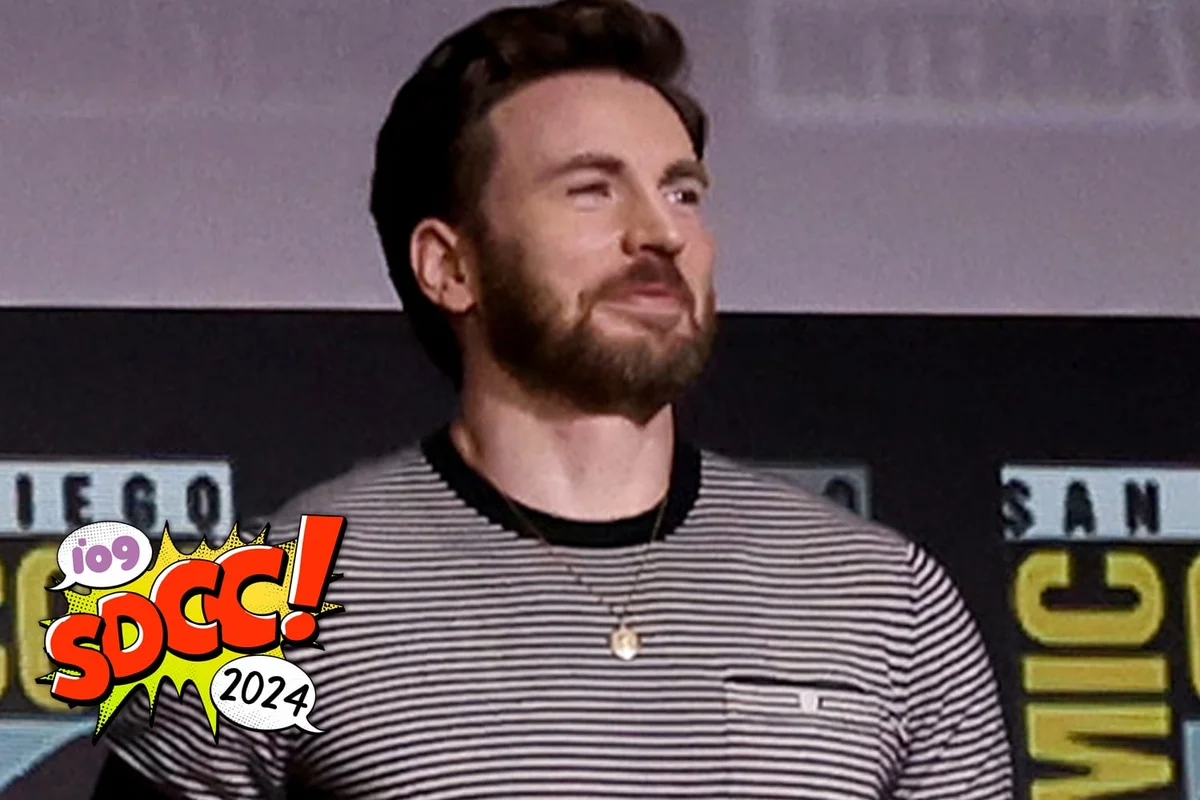
Chris Evans MCU return, alongside Robert Downey Jr., to the Marvel Cinematic Universe’s (MCU) upcoming film Avengers: Doomsday has ignited intense debate among fans who feel it undermines the powerful conclusions reached in Avengers: Endgame. This highly anticipated reunion is set to bring back two iconic figures of the franchise but has raised questions about the MCU’s creative direction and whether it depends too heavily on nostalgia instead of elevating new characters and stories.
The Symbolic Role of Evans and Downey in the MCU’s Origin
Robert Downey Jr. and Chris Evans have been central to the MCU’s formation and success, embodying the spirit that defined the franchise. Downey’s comeback mirrored that of Tony Stark, a flawed genius who found redemption and purpose, making him the “godfather of the MCU.” Bringing his complex charisma to Iron Man, Downey transformed what could have been a minor superhero into a cultural phenomenon that launched an entire cinematic universe.
Chris Evans followed a different trajectory. Known previously for lighter, more conventional roles, Evans stepped into the shoes of Captain America with a fresh determination. His portrayal of Steve Rogers balanced resilience and leadership, complementing Downey’s Tony Stark with loyalty and perseverance. Their combined narratives reflected the underdog ethos that fueled excitement around the MCU—not just in their characters’ struggles but in the actors’ real-life professional journeys.
How Avengers: Endgame Provided Definitive Endings
Avengers: Endgame delivered a rare sense of closure to longstanding story arcs in superhero cinema, offering narrative stakes that many comic adaptations fail to achieve. Unlike the endless cycles of temporary defeats and reversals common in comic books, Endgame provided meaningful resolutions. Tony Stark’s evolution from self-centered weapons maker to self-sacrificing hero completed a profound arc vital to the MCU’s emotional foundation.
Similarly, Steve Rogers’ choice to retire and embrace a personal life after years of heroism was a poignant and earned conclusion. The film was a decade-spanning farewell that respected the years of growth shown across multiple movies. This careful buildup of stakes and lasting consequences was unique, setting Endgame apart as one of the most satisfying finales in modern cinema.
The Challenge Facing New Avengers and Fresh Characters
Since Endgame, the MCU has struggled to recreate the widespread enthusiasm that once surrounded the franchise. Phase Four’s mixed reception has exposed vulnerabilities, prompting the studio to lean on Evans and Downey’s return as a strategy to reengage fans. Yet this move may signal a retreat from the risk-taking that originally defined the MCU’s success, undercutting the growth and spotlight of newer heroes.
The symbolic passing of the torch in Endgame was supposed to empower fresh faces, including Anthony Mackie’s Sam Wilson taking up Captain America’s mantle, and new leaders emerging such as Yelena Belova heading the Thunderbolts team. Shang-Chi, played by Simu Liu, was introduced as a promising lead for the next generation, but he has since faded from the spotlight, demonstrating a failure to capitalize fully on new talent and storylines.
Instead of fostering innovation, the decision to bring back the original Avengers appears to reflect uncertainty and hesitation, threatening to stall narrative momentum. This reliance on familiar characters raises concerns that the MCU risks losing the adventurous spirit and freshness that made it a groundbreaking franchise.
Cast Overview Highlights a Blend of Legacy and New Faces
Avengers: Doomsday’s cast further emphasizes this balance between legacy actors and newer additions. Alongside Evans and Downey, familiar stars like Chris Hemsworth as Thor and Vanessa Kirby in the role of Sue Storm signal a bridge between past and present. Actors such as Joseph Quinn and Ebon Moss-Bachrach fill roles like Johnny Storm and Ben Grimm, respectively, representing the franchise’s ongoing expansion into diverse superhero groups.
What This Means for the MCU’s Future
The return of Chris Evans and Robert Downey Jr. in Avengers: Doomsday will undoubtedly draw attention and box office interest, but it also exposes underlying tensions about the MCU’s creative trajectory. While their characters’ previous arcs were thoughtfully concluded, bringing them back now reflects unease with developing entirely new heroes and narratives.
This hesitancy could hinder the MCU’s ability to innovate and grow, potentially disappointing audiences eager for fresh stories to follow the groundwork laid after Endgame. Moving forward, how the franchise balances honoring its origins with championing new faces will be crucial to maintaining its global cultural relevance and fan loyalty.
Related semantic context: related coverage · external reference.
