
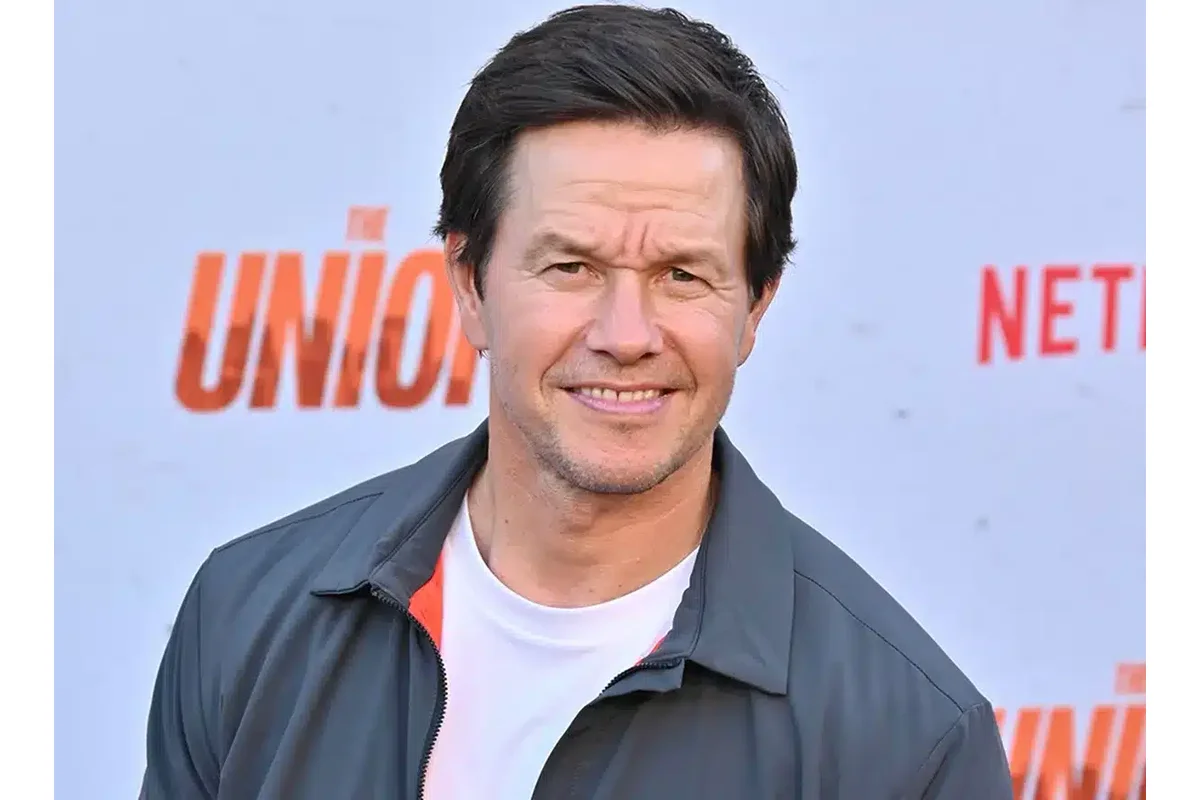
Mark Wahlberg’s homophobic past has come under renewed scrutiny following its depiction in FX’s new series, Love Story: John F. Kennedy Jr. & Carolyn Bessette. The show, created by Ryan Murphy, revisits incidents from Wahlberg’s early years, highlighting once again the tension between celebrity reinvention and holding public figures accountable for past actions. For LGBTQ audiences, this revival of Wahlberg’s history feels like a stark reminder that problematic behavior does not fade simply through fame or time.
From Rap Star to Hollywood Icon: Wahlberg’s Early Image
Before becoming a household name in Hollywood, Mark Wahlberg was widely recognized as Marky Mark, the lead of the early 1990s rap group Marky Mark and the Funky Bunch. His notoriety skyrocketed with his provocative Calvin Klein underwear campaign in 1992, which featured bold, hyper-masculine imagery that became iconic in pop culture. While these advertisements helped launch his career, Wahlberg’s public persona was already shadowed by serious off-camera controversies during this period. It was an era predating social media, so many of these events were less visible at the time but remain significant today.
Depiction of the 1993 Incident Provokes New Criticism
The FX series includes a dramatized scene involving a fictionalized Calvin Klein, played by Alessandro Nivola, where Wahlberg’s alleged conduct from the early 1990s is discussed. The show references a 1993 altercation with a member of Madonna’s entourage, during which Wahlberg is accused of using a homophobic slur. This scene exposes the casual dismissal of such language in the past, as characters debate the severity and implied meaning of the words.
The exchange is deliberately unsettling and aims to illustrate how normalized homophobia was during Wahlberg’s early rise to fame. Although the series presents this dialogue as dramatization rather than proven fact, it nevertheless delivers a powerful reminder of how such slurs were often minimized and tolerated.
Documented Patterns of Racism and Violence Shape Public Memory
This portrayal resonates deeply because it echoes a broader record of Wahlberg’s youthful misconduct. Beyond accusations of homophobia, his teenage years were marked by documented instances of racial harassment and violence. In 1986, Wahlberg faced a civil rights injunction after repeatedly targeting Black children in his Boston neighborhood with verbal and physical aggression. Two years later, in 1988, he pleaded guilty to assaulting two Vietnamese–American men while using racist language, culminating in a 45-day jail sentence.
These events attracted significant media attention and remain part of the public record. They contribute important context to ongoing discussions about Wahlberg’s behavior, clarifying why allegations of bigotry in the early 1990s provoke continued reflection and debate decades later.
Wahlberg’s 1993 Apology and Its Ongoing Relevance
In response to public outcry and protests from advocacy groups, Wahlberg issued a public apology in 1993 through the Boston Globe, in which he acknowledged the harmful nature of his past racist actions. At the time, this apology represented a meaningful moment of accountability. However, apologies early in one’s career often serve as starting points that require ongoing effort and reflection.
For many within the LGBTQ community, the resurfacing of Wahlberg’s alleged homophobic conduct has raised difficult questions about what true accountability means, especially when considering a pattern of harmful behavior rather than isolated incidents.
Wahlberg’s Later Role Highlights Complex Perspectives on Change
Years after these controversies, Wahlberg took on a sympathetic role in the film Good Joe Bell, portraying a father who mourns his gay son’s suicide following relentless bullying and assault. The story focuses on the devastating consequences of bigotry and the importance of acceptance. Wahlberg’s involvement in such a narrative contrasts sharply with his past behavior, prompting mixed reactions.
For some, this casting signified personal growth, while others viewed it as insufficient to overcome or erase the harmful actions of his early years. This dynamic illustrates the challenging debate around representation, redemption, and the limits of performance as reconciliation for a problematic history.
Ryan Murphy’s Intentional Spotlight on Cultural Shifts
Ryan Murphy is known for tackling issues that involve power dynamics and systemic injustices. By including Wahlberg’s alleged homophobic incident in his series, Murphy compels audiences to confront how easily such language was normalized and tolerated during Wahlberg’s ascent in the entertainment industry. The show does not pass judgment but encourages viewers to grapple with discomfort and consider how societal standards have evolved.
This storytelling choice reinforces the broader conversation about the responsibility public figures have to fully acknowledge and reckon with the entirety of their past actions.
The Continuing Demand for Accountability in the Spotlight
Today, Mark Wahlberg is respected as an actor, producer, and family man with a public image founded on discipline and faith. Nevertheless, Murphy’s series demonstrates that reinvention alone does not erase the need for accountability. The renewed examination of Wahlberg’s homophobic past and other offensive behaviors is not about cancel culture but about demanding clarity and honesty.
For LGBTQ communities and wider audiences, confronting the full truth of such histories is essential to prevent repetition and to support ongoing accountability. Growth requires consistent reflection and acknowledgment, especially for individuals whose earlier actions caused genuine harm.
“He did after all establish himself as an actor after all of the aforementioned incidents.” – Ryan Murphy, Creator
Kate Moss and Mark Wahlberg for Calvin Klein (1992) pic.twitter.com/VCPctlLw7t
— stillz (@martinezdlll) January 5, 2023
Mark Wahlberg for Calvin Klein 1992 pic.twitter.com/MnXmURakYj
— TFW Magazine (@tfwmagazine) February 28, 2025
Related semantic context: related coverage · external reference.
