
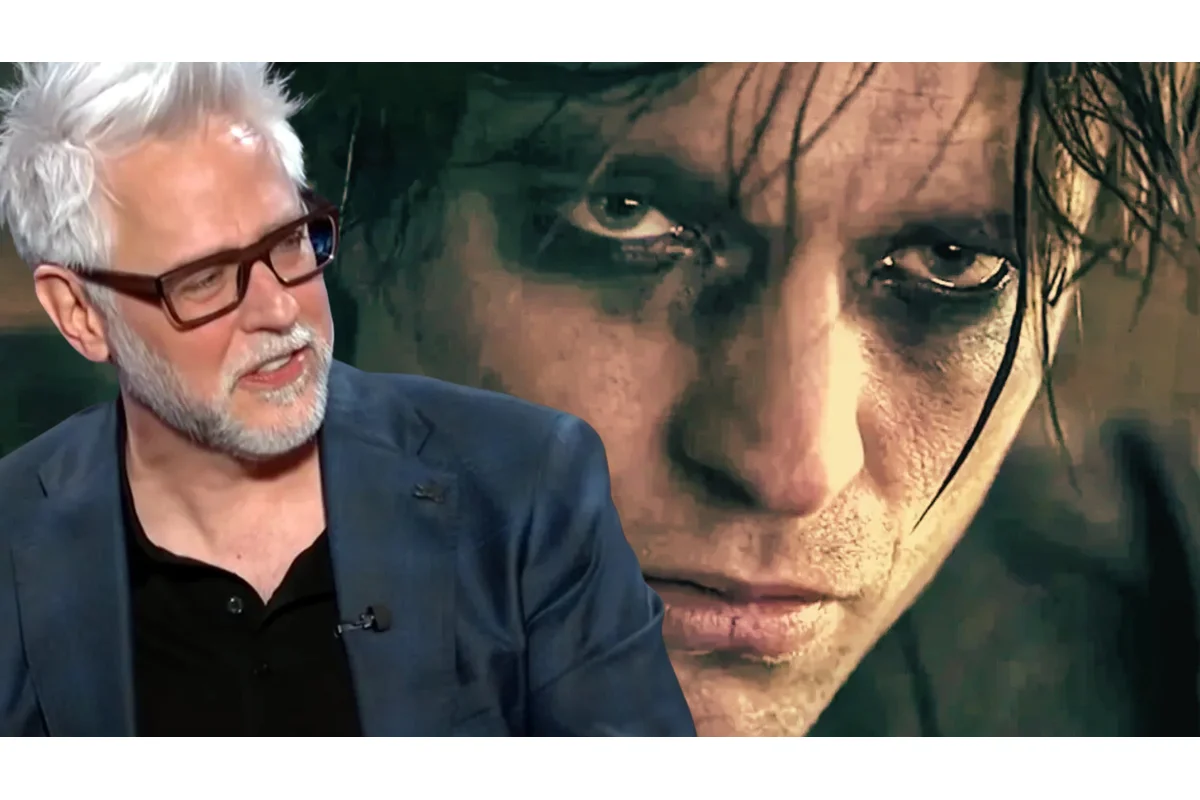
Since taking the helm of DC Studios alongside Peter Safran in 2022, James Gunn has swiftly imprinted his unique creative vision onto the shared universe. The projects released so far, including Superman, Creature Commandos, and the second season of Peacemaker, all carry distinct traces of his style. Upcoming films like Supergirl, Clayface, and the series Lanterns continue to reflect his approach, rooted in the influences of classic DC Comics that have inspired him throughout his career. By examining these key comic runs, one can better understand the foundation of James Gunn DC inspirations and how they shape his storytelling.
The Lasting Impact of The Saga of the Swamp Thing (1984–1987)
Shortly after assuming leadership at DC Studios, Gunn publicly recommended several comics that had influenced him, notably The Saga of the Swamp Thing. This acclaimed horror series by Alan Moore introduced mainstream readers to a complex narrative blending superhero elements with profound gothic romance. At its heart is the tale of Alec Holland, a scientist who transforms—or perhaps becomes—a plant-based entity known as Swamp Thing. Though none of Gunn’s current projects focus on this character, his repeated endorsements show a deep respect for this run and its themes.
Swamp Thing’s blend of supernatural horror, identity, and emotional depth aligns with the kinds of nuanced storytelling Gunn appreciates. While his work may not directly reflect Moore’s intricate style, that high-concept, introspective magnetism clearly leaves an impression.
Man of Steel (1986) and the Reimagining of Superman
In anticipation of his Superman film, James Gunn frequently referenced Grant Morrison and Frank Quitely’s All-Star Superman, borrowing its inventive concepts such as the kaiju-style attacks and the portrayal of Lex Luthor as a pure villain. Yet, much of the movie’s grounded and realistic tone mirrors the influence of John Byrne’s 1986 Man of Steel miniseries, which was created in the wake of the Crisis on Infinite Earths reboot.
Byrne stripped away many of the more extravagant elements of Superman’s past, including powers like super-ventriloquism and the Superboy identity, opting for a more plausible and relatable Clark Kent. The film’s portrayal of Clark and Lois Lane’s debate over Superman’s role on the global stage reflects this more pragmatic Byrne influence rather than Morrison’s fantastical style. This balance of mythic scope with down-to-earth characterization remains a crucial element in Gunn’s adaptations of the character.
Suicide Squad’s Critical Role in Shaping Gunn’s DC Universe
James Gunn’s initial entry into the DC movie world was with The Suicide Squad, a title that is emblematic of a broader influence from the comics of the late 1980s and early 1990s. The original Suicide Squad series, launched in 1987 by writer John Ostrander and artist Luke McDonnell, introduced audiences to a mix of complex figures including Rick Flagg and Amanda Waller, alongside eccentric characters such as Captain Boomerang and Javelin. These “Z-list” antiheroes perfectly align with Gunn’s penchant for quirky, offbeat personalities.
Ostrander’s storyline culminated in the ambitious Janus Directive crossover, which assembled fan-favorite characters like Checkmate, Peacemaker, and Vigilante. This era’s layered character dynamics and morally ambiguous missions evidently laid the groundwork for Gunn’s cinematic depiction of the team’s gritty camaraderie and chaotic mission structure.
Justice League International: A Humorous Take on Team Dynamics (1987–1989)
The public’s skepticism towards superheroes following Crisis on Infinite Earths provided the backdrop for the launch of Justice League International (JLI). Conceived by Keith Giffen, J. M. DeMatteis, and Kevin Maguire, this incarnation of the League was a departure from traditional heroic archetypes. Instead of solely serious and powerful figures, the team mixed iconic heroes like Batman and the Martian Manhunter with lesser-known characters such as Blue Beetle, Booster Gold, and the notably abrasive Green Lantern, Guy Gardner.
The JLI operated more like a comedic ensemble, featuring witty banter and interpersonal conflicts reminiscent of a sitcom. This lighter, irreverent tone enriched the superhero genre and influenced Gunn’s appreciation for injecting humor and humanity into grand, action-driven narratives.
Captain Atom’s Complex Duality and Military Roots (1987–1991)
Characters from DC’s acquisition of Charlton Comics, such as Captain Atom, have found renewed prominence under Gunn’s guidance. Already featuring Peacemaker and Judomaster on screen, Gunn’s upcoming projects suggest Captain Atom will join soon, especially if rumors about a second season of Creature Commandos hold true. The character’s military background and transformation into a nuclear-powered being walk hand-in-hand with Gunn’s themes of conflicted power and existential struggle.
Nathaniel Adam, once a no-nonsense soldier, gains immense abilities after a scientific experiment, approaching godlike status despite his reluctance. While DC initially intended to twist Captain Atom into the villain Monarch, a last-minute rewrite preserved his heroic status. The interplay of government intrigue, identity crises, and overwhelming power makes him a fitting character for Gunn’s universe.
Green Lantern: Emerald Dawn Sets the Tone for Lanterns Series (1989–1990)
Despite minimal marketing from Warner Bros. for the upcoming Lanterns series, the show promises to explore the dynamics between Green Lanterns Hal Jordan and John Stewart. Unlike the heavily promoted Supergirl, Lanterns has had a subdued presence, revealed only through a still image of stars Kyle Chandler and Aaron Pierre, and a brief clip emphasizing a darker tone.
This somber aesthetic draws from the 1989 miniseries, Green Lantern: Emerald Dawn, by Christopher Priest, Keith Giffen, Gerard Jones, M.D. Bright, and Romeo Tanghal. The series redefined Hal Jordan as a flawed, guilt-ridden man who reluctantly embraces heroism. The success of this story led to sequels portraying Jordan as a grizzled figure wandering the California desert—an image that mirrors the portrayal in the new series.
Lobo’s Offbeat Satire and Unexpected Depth (1990–1992)
James Gunn’s own roots in edgy, unconventional filmmaking make the delayed arrival of Lobo in the DC universe somewhat surprising. Initially introduced by Keith Giffen in 1983 as a standard villain, Lobo was transformed by co-creators Alan Grant and Simon Bisley into an irreverent, bawdy parody of 1990s’ “extreme” comic culture. This transformation reached its peak in the 1990 miniseries and the 1992 sequel, Lobo’s Back, which humorously featured Lobo’s bare backside on the cover.
The character’s outlandish yet strangely tender backstory—such as wiping out his entire planet due to a bad grade while harboring a fondness for space dolphins—captures the blend of outrageous humor and unexpected softness that resonates with Gunn’s sensibilities. The Main Man’s chaotic, unapologetic style fits perfectly with the tonal shifts Gunn often deploys.
Why These Stories Matter to James Gunn’s DC Universe
Each of these comic runs, from horror-tinged tales to satirical humor and complex heroism, contributes to the fabric of James Gunn’s evolving DC Universe. By drawing inspiration from versatile narratives and characters with rich histories, Gunn balances darkness with levity and mythic grandeur with grounded realism.
As a result, Gunn’s DC projects benefit from a layered foundation that appeals to long-time fans and newcomers alike. His attentiveness to classic runs like Suicide Squad and Justice League International helps keep the universe fresh yet connected to its roots. Looking ahead, the continuation of Creature Commandos, the release of Supergirl, and the debut of Lanterns promise to further explore these inspirations, expanding the tapestry of his DCU vision.
Related semantic context: related coverage · external reference.
