
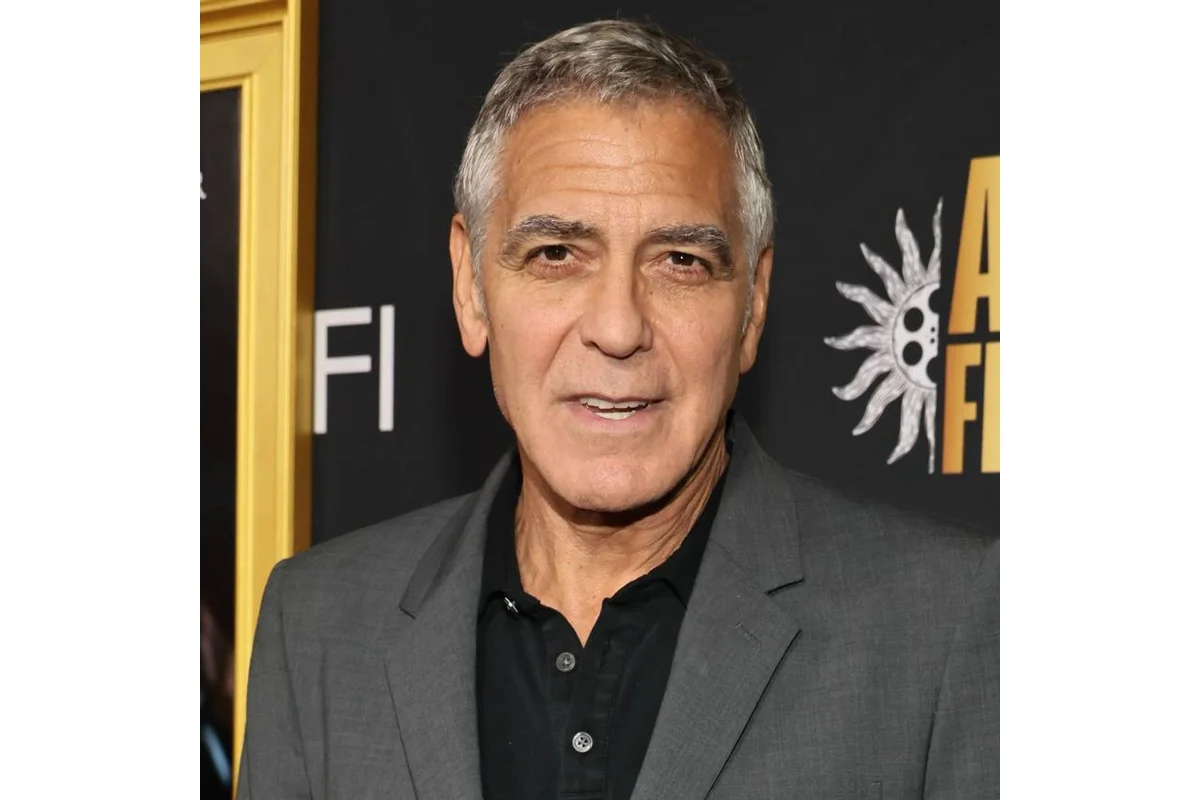
Actor and filmmaker George Clooney has voiced strong admiration for the Netflix series Narcos, calling it his favorite television show ever. This endorsement brings attention to the crime drama’s detailed storytelling and its portrayal of Colombia’s notorious drug cartels, which has captivated audiences worldwide.
Narcos follows the turbulent history of drug trafficking in Colombia, focusing on key figures such as Pablo Escobar. Clooney’s praise points to the series’ ability to match the cinematic quality and deep character complexity commonly associated with classic crime dramas like The Godfather.
How Narcos Blends Film-Style Storytelling with Television
Narcos stands out by merging cinematic elements with serialized TV drama. Its narrative structure and production style break conventional binge-watching patterns, presenting each episode as a distinct yet interconnected chapter filled with strategic twists and emotional depth. The show explores themes of power, loyalty, betrayal, and ambition with an intensity reminiscent of acclaimed crime films.
The show’s production embraces realism, capturing locations from Medellín’s crowded streets to the remote jungles where cocaine production occurs, effectively making these settings integral to the plot. Directors José Padilha and Fernando Coimbra, both with backgrounds in documentary filmmaking, infuse the series with a raw and visceral energy. George Clooney remarked,
“Every episode was like The Godfather,”
emphasizing the show’s filmic gravitas.

Wagner Moura’s portrayal of Pablo Escobar offers a multifaceted view of the infamous drug lord, portraying him as a family man, a savior to the poor, and a merciless criminal. This complexity evokes parallels with Michael Corleone’s dark transformation in The Godfather. In contrast, Pedro Pascal’s Javier Peña, a DEA agent, inhabits a morally ambiguous role, reflecting the show’s nuanced approach to its characters rather than clear-cut heroes or villains.
The Real-Life Story of Pablo Escobar in Narcos
Narcos draws heavily on declassified DEA files, testimonials from agents, and insider interviews to present a dramatized yet faithful depiction of the cocaine trade and the efforts to dismantle it. Clooney’s appreciation reflects how the series transforms geopolitical conflicts into personal and multifaceted stories.
Key historical moments, such as Escobar’s violent revenge attacks and his decision to live under house arrest at La Catedral prison, are recreated with dramatic flair while maintaining authenticity. The series integrates real archival footage and news clips, alongside narration by DEA agent Steve Murphy (played by Boyd Holbrook), which blurs the line between documentary and fiction. Its use of Spanish dialogue enhances the cultural authenticity, resisting the dilution often seen in mainstream American adaptations.
Similar to how The Godfather critiques American capitalism and family corruption, Narcos delves into Latin American political complexities, U.S. foreign involvement, and the ongoing cycle of violence. It reveals how cartels, governments, and law enforcement agencies often become intertwined in sustaining the drug war. By avoiding simple moral binaries, the show urges viewers to understand deeper social and political dynamics behind each conflict and power shift.
Outstanding Acting That Brings Depth to Narcos
Clooney singled out the compelling performances that elevate Narcos beyond typical crime dramas. Wagner Moura’s commitment was notable; the Brazilian actor learned Spanish for the role and transformed himself physically and emotionally to embody Escobar’s contradictory nature. His performance skillfully balances menace with humanity.
Pedro Pascal’s role as Javier Peña proved pivotal in his rise to fame. Pascal conveys his character’s exhaustion and moral conflicts, portraying a man increasingly disillusioned by the war on drugs and U.S. policies. The powerful dynamic between Moura and Pascal forms the emotional core of the series, spotlighting the blurred line between criminals and law enforcement.
Narcos as a Milestone in Contemporary Television
By naming Narcos his favorite TV series, George Clooney also acknowledges the changing landscape of storytelling on streaming platforms. The show exemplifies how Netflix and similar services have driven the “peak television” phenomenon, where high-quality narratives are accessible globally and crafted with cinematic care.
Narcos broadens the scope of television storytelling by representing underrepresented voices and settings around the world. Clooney’s comparison to The Godfather signifies the show’s embodiment of timeless storytelling elements such as the exploration of human desires and dark ambitions.
The series has cemented itself as one of the most significant crime dramas produced in recent years, combining global relevance, cultural depth, and visual sophistication to create an unforgettable portrayal of the complexities of the drug trade and its human consequences.
Related semantic context: related coverage · external reference.
