
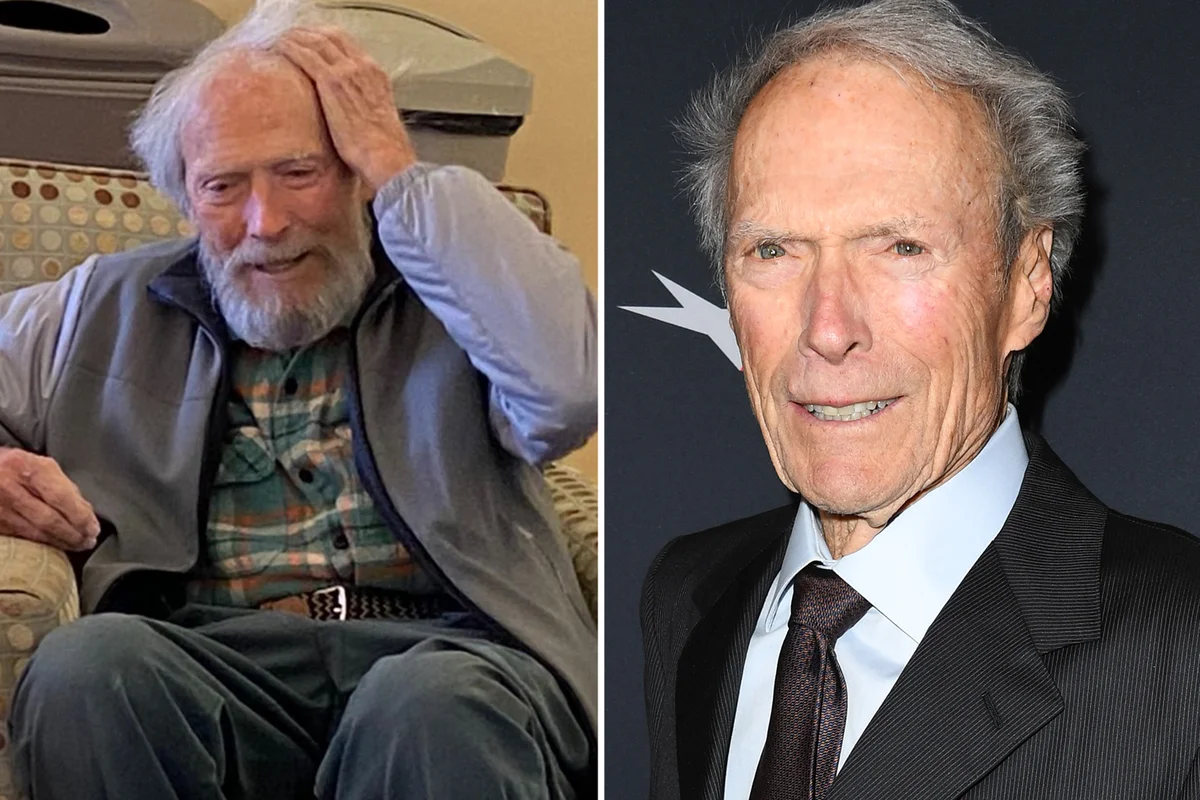
Though Clint Eastwood is not typically associated with Hollywood’s feminist champions, he recently voiced strong criticism against a film he viewed as deeply disrespectful to women. Known for his influential career as both actor and director, Eastwood expressed his disapproval of Bernardo Bertolucci’s 1972 film Last Tango in Paris, highlighting what he considered to be its degrading and violent portrayal of women.
This statement from Eastwood, a four-time Academy Award winner, arose less from a passionate feminist ideology and more from a longstanding personal conflict. His remarks were tied to a decades-long feud with critic Pauline Kael, who had praised Last Tango in Paris highly, prompting Eastwood to respond with pointed commentary on the film’s treatment of female characters.
The History Behind Eastwood’s Critique
Throughout his lengthy career, Clint Eastwood has often found himself in disputes with various figures in the film industry, including frequent clashes with Spike Lee and former allies. Among his most notable adversaries was Pauline Kael, a respected and outspoken critic who consistently reviewed Eastwood’s films and performances harshly, often diverging from broader critical opinion.
The mutual antagonism between Eastwood and Kael grew intense. Reportedly, Eastwood even engaged a psychiatrist to analyze Kael’s reviews in an attempt to understand the root of her persistent negativity toward him. This intense focus on Kael’s criticism overshadowed the genuine feminist concerns around the film Last Tango in Paris that Eastwood later expressed.

Quoting the Controversy: Kael’s Praise vs. Eastwood’s Disapproval
Kael celebrated the film’s 1972 debut as a groundbreaking moment in cinema. She described Last Tango in Paris as
“
the most powerfully erotic movie ever made
”
and
“
the most liberating movie ever made,
”
while also calling it
“
a film that has made the strongest impression on me in almost twenty years of reviewing.
”
Eastwood, in stark contrast, rejected this viewpoint. He remarked,
“
She was taken by Last Tango; it seemed romantic to her,
”
yet he firmly declared that the film “
was an affront to women
” and that
“
the portrayal and treatment of women in that movie was terrible.
”
However, Eastwood undermined the seriousness of his objection by using crude language to describe the film’s sexual content. He said,
“
I mean, if buttering up a girl’s ass and giving her a poke job is romantic sex, or represents male tenderness, then, I’m sorry, but I’m on a different plane than she is,
”
adding sharply,
“
Higher or lower, depending on whose opinion. Jesus, how can she not see that as violence?
”
Context and Reactions to Eastwood’s Remarks
Eastwood’s critique aligns with broader criticisms that have persisted for more than five decades about the misogynistic elements present in Last Tango in Paris. Many viewers and critics have found its depiction of sex and power dynamics troubling and condemn the film’s controversial scenes for perpetuating harm towards women.
Despite the valid concerns raised, Eastwood’s choice of words sparked mixed reactions, as some viewed his commentary as lacking sensitivity and failing to fully support feminist values. His framing reintroduced old tensions regarding his relationship with critics and highlighted the ongoing struggle to reconcile past personal conflicts with serious social critique.
The Importance of Addressing Problematic Portrayals in Film
Eastwood’s public denouncement of the film emphasizes the enduring relevance of discussions about how women are portrayed in cinema. Last Tango in Paris remains a notable example of controversial storytelling that challenges viewers to question the intersection of artistic freedom and ethical depiction of gender relations.
While Eastwood’s comments stirred controversy given his complicated history with Pauline Kael and the harsh language he used, his acknowledgment of the film’s problematic treatment of women contributes to ongoing conversations in Hollywood about respect, representation, and the necessity of feminist perspectives in evaluating art.

Related semantic context: related coverage · external reference.
