
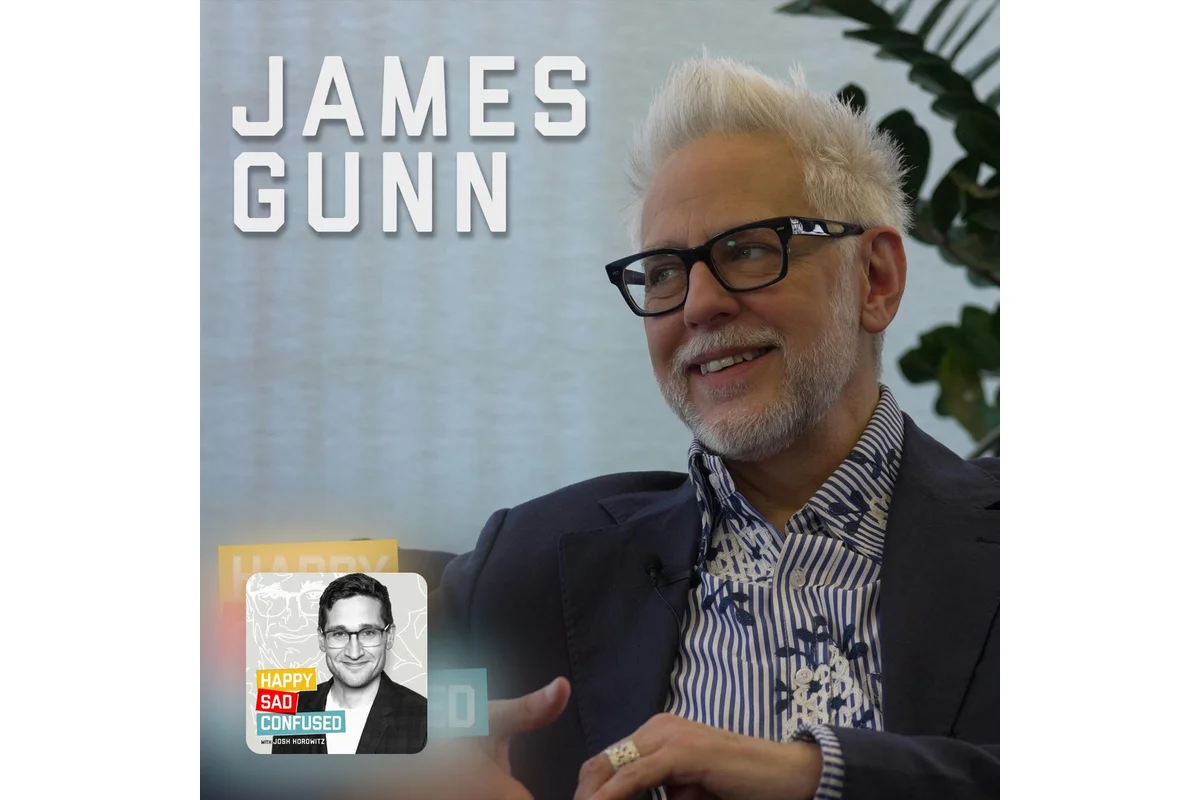
James Gunn has shared insight into the reasoning behind DC Studios’ unique approach to movie titles, shedding light on the deliberate avoidance of colons. As the director prepares to lead the next Superman film, Man of Tomorrow, scheduled to begin production later this year, this title strategy stands out in the evolving DC Universe (DCU) branding.
The director addressed a fan query on social media regarding why the sequel does not follow the traditional titling style with a colon, as some might expect. Gunn explained his preference, stating,
“I try to avoid the colons. No double-entendres intended.”
This statement highlights a clear choice to keep DCU movie titles straightforward and free from the complex structures common in other franchises.
This clarification also dispelled rumors about potential title changes for the Superman sequel. While the earlier working title for Gunn’s debut film was Superman: Legacy, the subtitle was eventually dropped, paralleling a similar change with the planned Supergirl: Woman of Tomorrow, which was retitled simply as Supergirl before its upcoming release. So far, no official DCU movies have included colons in their titles, signaling consistency in this naming approach.
The DCU is set to continue its theatrical and streaming expansions, with Supergirl releasing on June 26 and other highly anticipated projects such as the HBO series Lanterns due later this summer, alongside the October 23 debut of the R-rated body-horror film Clayface. These developments underscore a busy year ahead for the franchise as it strengthens its presence in the superhero genre.
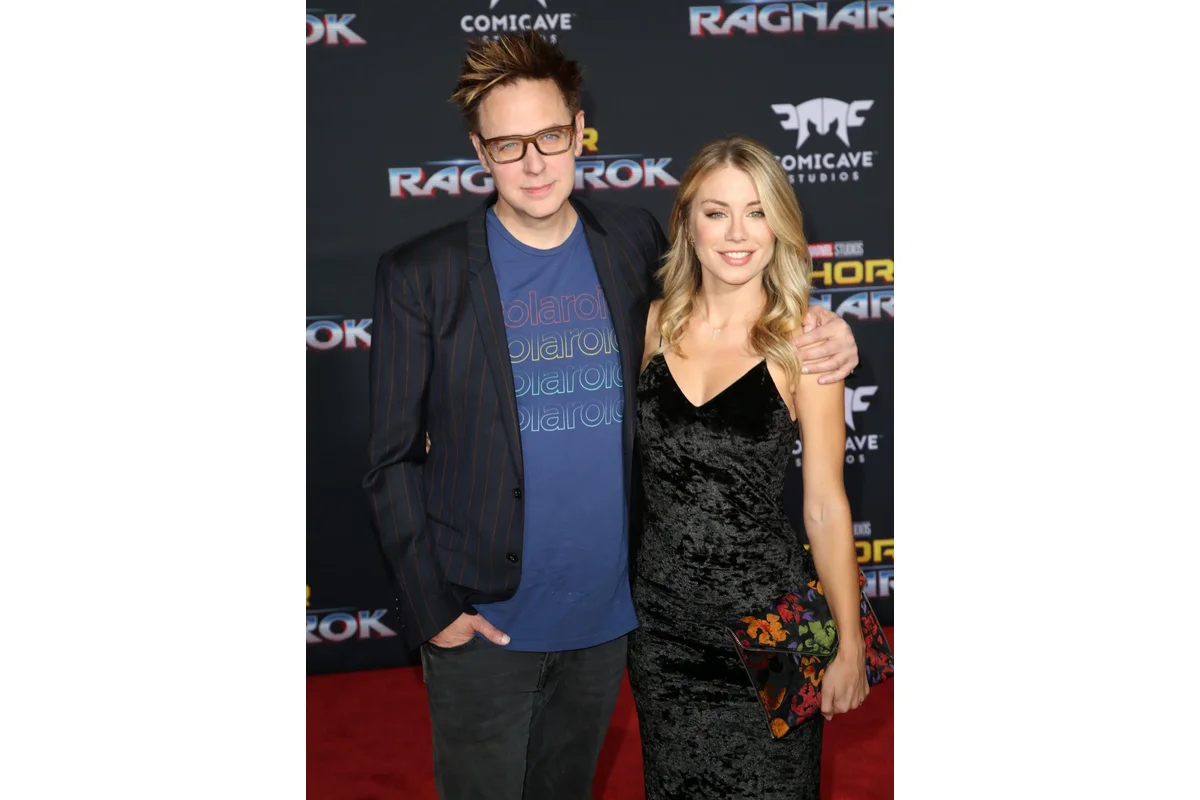
How James Gunn’s Title Choices Differ from Hollywood Norms
James Gunn’s preference for avoiding colons is notably at odds with current trends in Hollywood, especially in comparison to Marvel Studios, DC’s main rival. Unlike the classic tradition of numbering sequels, contemporary film franchises often use subtitles following colons to disguise or elevate sequels beyond simple numeric labels. For example, Marvel’s scene includes titles like Avengers: Doomsday and Captain America: Brave New World, which move away from straightforward numbering like Iron Man 2 or Iron Man 3.
Gunn has similarly rejected basic sequel numbering for Man of Tomorrow, but instead of using a colon and subtitle, the title stands alone, emphasizing a fresh narrative identity rather than a direct continuation of its predecessor. This strategy contrasts sharply with Marvel’s use of colon titling to tie sequels back to their primary heroes, despite borrowing heavily from comic book storylines.
Interestingly, this naming approach by Gunn appears rooted more deeply in DC’s comic origins, embracing standalone titles drawn from graphic novel influences rather than merely reprising established character names directly in movie titles. This may reflect Gunn’s intent to carve a distinct creative path for the DCU that respects its source material while differentiating from rival franchises.
While the DCU is still early in its current phase, and future developments could shift this approach as the universe expands, James Gunn’s current strategy highlights a careful consideration of title presentation as part of broader storytelling and marketing aims within the franchise.
Upcoming Titles Highlight DCU’s Diversified Slate
The DCU’s forthcoming releases demonstrate a varied lineup that moves beyond simple superhero fare. Following Supergirl’s imminent arrival in theaters, the franchise is poised to introduce the HBO series Lanterns in the late summer, offering a fresh take on one of its iconic heroes. Additionally, the film Clayface will bring a darker, more graphic style to the DC Universe when it premieres in October, signalling willingness to explore different tones and genres within the sprawling franchise.
These projects illustrate the DCU’s commitment to broadening its narrative scope and audience reach. The titles’ avoidance of colon punctuation, as outlined by Gunn, reflects a deliberate branding choice intended to craft a distinct identity amid a competitive superhero market.
As James Gunn continues to influence the direction of the DCU, his title strategy may be an early indicator of how the studio aims to balance innovation with familiarity, aiming to build cohesion without relying on conventional sequel naming conventions.
Related semantic context: related coverage · external reference.
