
In the year 2000, director E. Elias Merhige released a film titled Shadow of the Vampire, which presents a strangely plausible premise within the horror genre. The story proposes that during the making of the iconic 1922 horror classic Nosferatu, filmmaker F.W. Murnau hired a genuine vampire to play the film’s monstrous Count Orlok. Though the original vampire role was performed by German actor Max Schreck, whose eerie and rigid portrayal was so authentic it almost convinced audiences he was truly immortal, Merhige’s film imagines a darker truth lurking behind the scenes.
In this fictionalized account, Murnau manipulates the vampire by promising him access to the blood of the film’s female lead, Greta Schröder, once filming ends. However, the vampire soon loses control, causing real terror on set by killing several members of the crew, while Murnau remains more concerned with the disruption to his shooting schedule. This blend of historical filmmaking and horror mythology creates a gripping narrative that blurs the line between reality and fiction.
Notable Cast and Crew Bring the Tale to Life
The film features John Malkovich as F.W. Murnau, expertly conveying the frustrations and ambitions of a driven director. Willem Dafoe earned an Oscar nomination for his dual role as Max Schreck and the vampire. The cast also includes Suzy Eddie Izzard as Gustav von Wangenheim, Cary Elwes portraying cinematographer Fritz Arno Wagner, Udo Kier as producer Albin Grau, and Catherine McCormick as Greta Schröder. Upon release, Shadow of the Vampire gained acclaim from film enthusiasts and critics alike, celebrated for its inventive reinterpretation of a significant piece of cinema history. Besides Dafoe’s nomination, the movie received recognition for Best Makeup, underscoring its atmospheric craftsmanship.
Nicolas Cage’s Role Beyond Acting
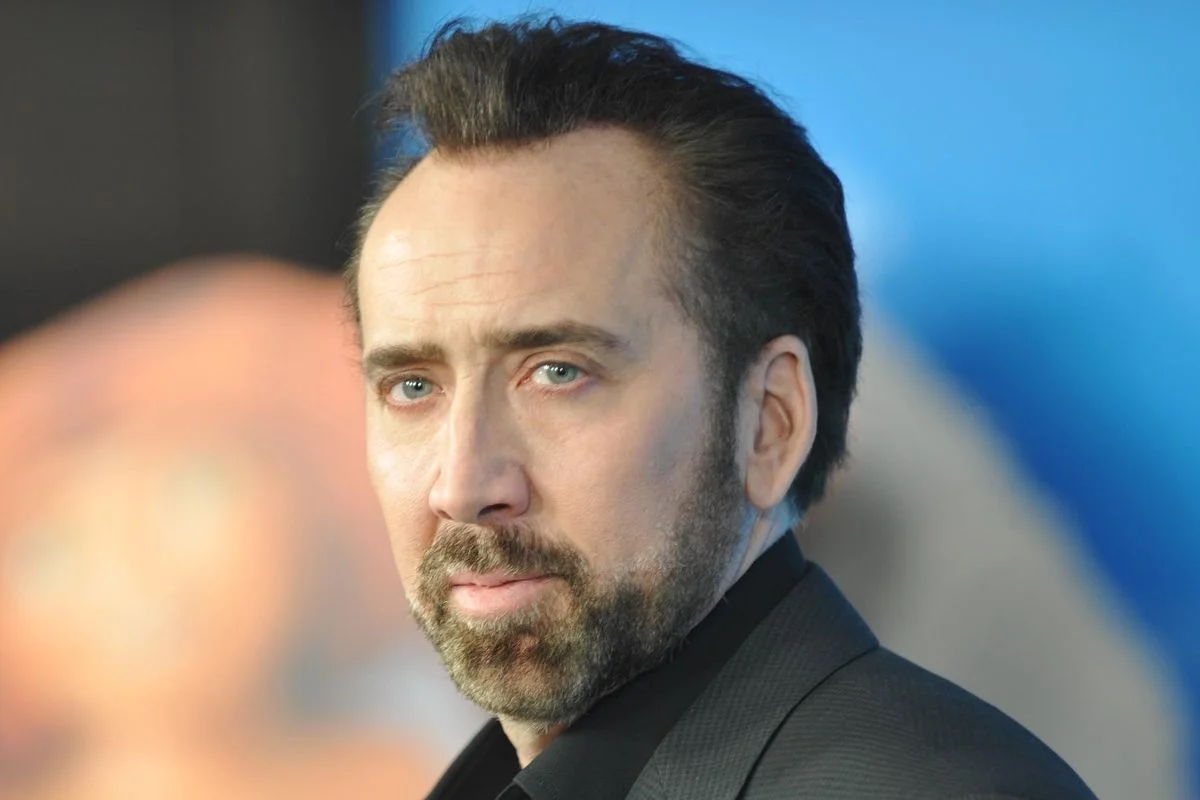
Many may be surprised to learn that Shadow of the Vampire was produced by Nicolas Cage. This marked only the second time Cage took on a producing role, following Christopher Coppola’s lesser-known film Bel Air. With a production budget of around $8 million, the film managed to earn $11.2 million at the box office, cementing its position as an esteemed, though modestly profitable, project.
At that point, Cage was embarking on a new chapter by founding his production company, Saturn Films. This allowed him greater control over his creative ventures. Saturn Films was responsible for producing a variety of projects, including 2003’s The Life of David Gale and the 2012 comedy A Thousand Words, starring Eddie Murphy. Nevertheless, the company primarily served as a platform for Cage’s personal projects, producing his directorial debut Sonny as well as films featuring Cage himself, such as Next, The Family Man, Lord of War (which is notable for its authentic use of firearms), Knowing, National Treasure, and The Sorcerer’s Apprentice. More recently, Saturn Films has produced movies like Arcadian, Willy’s Wonderland, and Longlegs. Cage’s intense and sometimes eccentric acting style complements Merhige’s unique approach to filmmaking, making their collaboration in Shadow of the Vampire especially fitting.
The Endurance and Impact of Shadow of the Vampire
Shadow of the Vampire stands out as a remarkable film exploring themes of obsession, artistic sacrifice, and the darker sides of filmmaking. It offers an eerie homage to Nosferatu, one of the most enduring and influential horror films ever made, which continues to unsettle audiences nearly a century after its creation. Despite legal battles over its unauthorized adaptation of Bram Stoker’s Dracula, Nosferatu has secured its place as a cultural classic in Germany and internationally. Werner Herzog’s 1979 remake, starring Klaus Kinski, further solidified its legendary status.
In 2024, Robert Egger released a fresh version of Nosferatu, with Bill Skarsgård taking on the vampire role. Egger’s rendition amplified the original’s themes of sexual repression and added striking visual elements and compelling performances, offering a modern twist on the tale. Though considered a lesser-known variation among the many adaptations, Shadow of the Vampire remains one of the most faithful tributes to Murnau’s original vision.
This film delves deeply into the perilous nature of artistry, spotlighting how a director’s demand for authenticity can endanger everyone involved. The story of a real predator cast as a performer resonates profoundly, particularly in today’s cultural climate shaped by the #MeToo movement, highlighting the complex power dynamics in creative industries.
Where to Watch and Why It Matters
Currently, Shadow of the Vampire can be rented from the Prime Video store, although it is not available for free streaming on mainstream services. Dedicated film enthusiasts may find copies through alternative means, making it accessible to those intrigued by true-to-form vampire cinema. Its places among the finest vampire films due to its unique blend of historical context, atmospheric horror, and insightful commentary on filmmaking ethics.
For fans of Nicolas Cage vampire movie projects or those interested in the darker aspects of cinematic history, this film offers an intense, somber experience that goes beyond typical horror fare. It solidifies Cage’s impact not just as an actor, but also as a producer willing to support challenging and offbeat stories in the film world.
Related semantic context: related coverage · external reference.
