
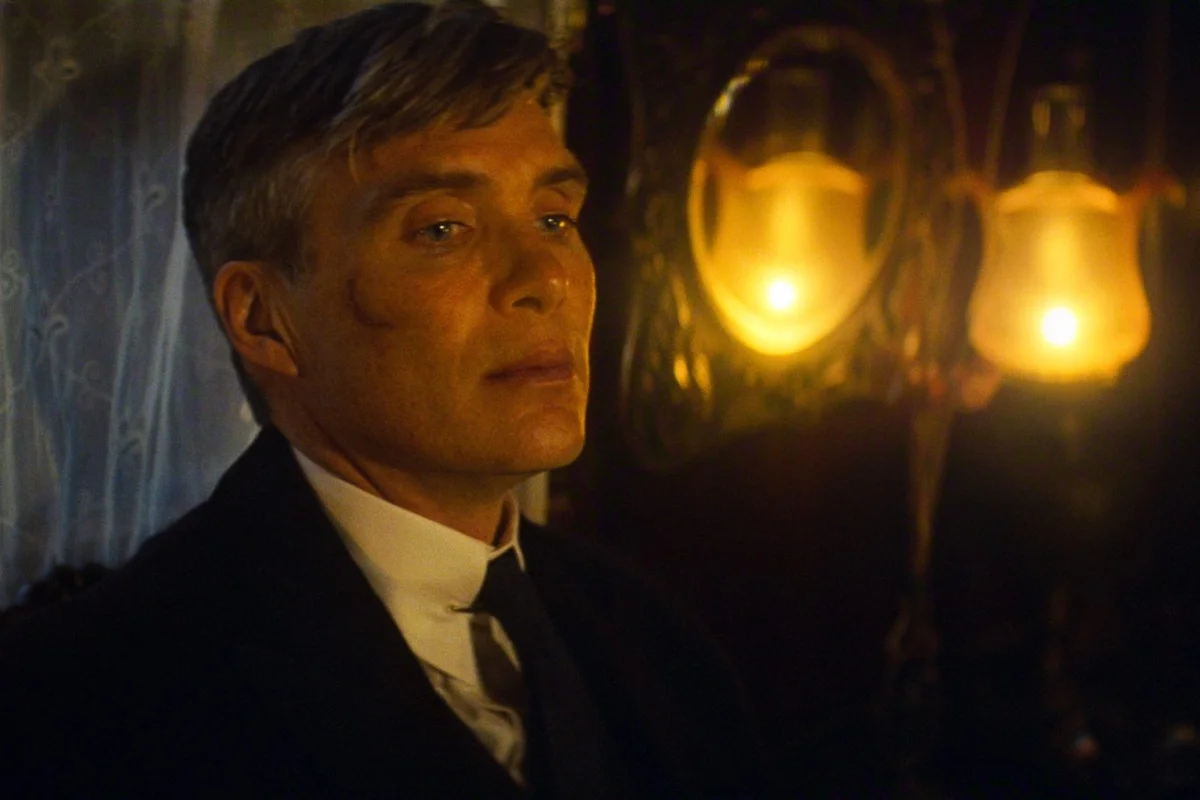
Fans have recently glimpsed what might have been if Cillian Murphy had appeared in Disney’s 2010 film Tron: Legacy. His potential role as Sark, a pivotal character, has sparked interest as concept art surfaces, fueling speculation about how Murphy’s involvement could have altered the movie’s reception. While his presence may not have transformed the film entirely, many believe audiences would have appreciated his portrayal in this digital dystopia.
Concept Designer Shares Insight on Murphy’s Tron Role
Phil Saunders, a concept designer for Tron: Legacy, revealed on Instagram that one of his early tasks was to create an illustration of Cillian Murphy as the new Sark. Saunders explained that this artwork was intended to entice Murphy back to the project in a role described as a “junior Dillinger.” Despite this effort, Murphy ultimately did not join the cast. Saunders expressed hope that this illustration was not a factor in Murphy’s decision to pass on the role.
“One of the first things Production Designer Darren Gilford asked me to tackle on Tron: Legacy was a quick illustration of Cillian Murphy as the new Sark. I think it was meant to lure him to the production to reprise his role as the junior Dillinger. Given his absence from the movie, I hope this illo isn’t the reason he passed!”
– Phil Saunders, Feature Film Concept Designer
Why ‘Tron: Legacy’ Struggled Despite Its Visual Brilliance
When Tron: Legacy was released, it featured stars like Garrett Hedlund, Olivia Wilde, and Jeff Bridges, yet it earned a lukewarm response, holding a 51% approval rating from critics and 64% from audiences. The film’s visuals were widely praised, offering cutting-edge special effects and aesthetic qualities that stood out at the time. However, critics and viewers alike found the movie lacking in story depth and character engagement.
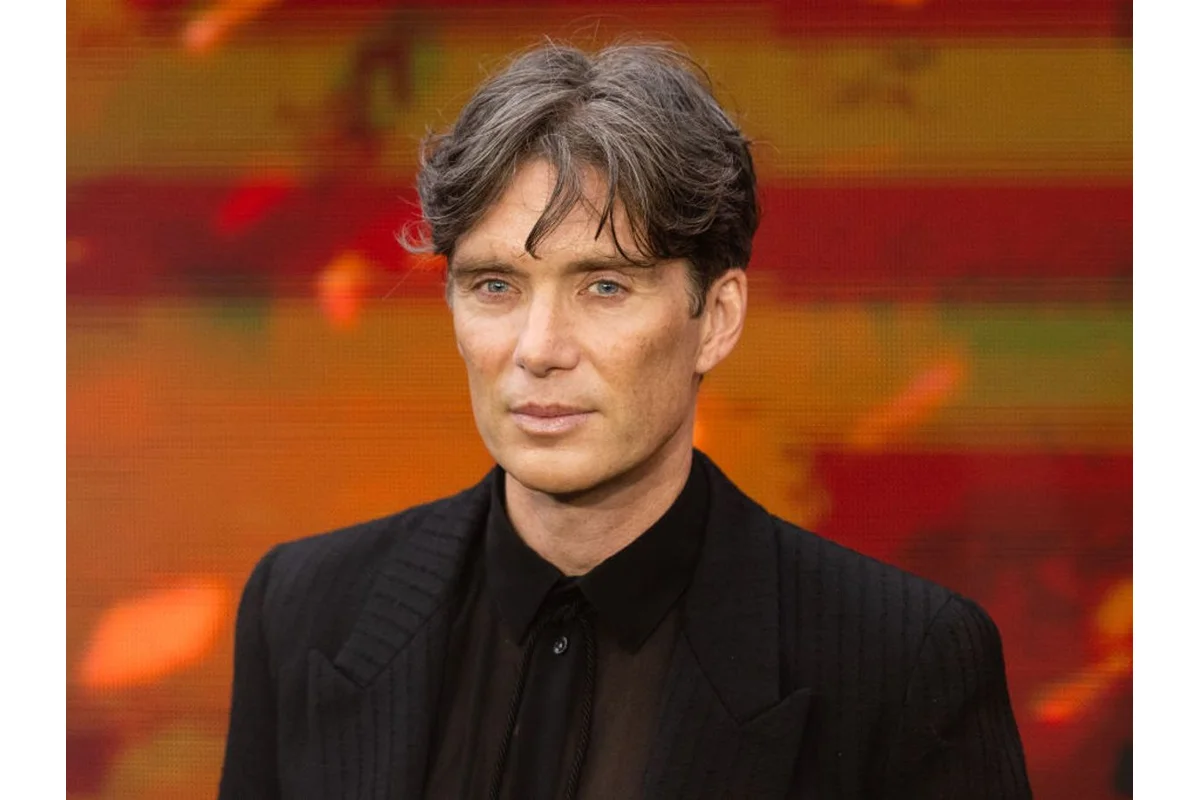
“Tron: Legacy proves that with so many examples of oppression in fiction and reality, this movie had to come from a special place to be thinner in its spin on an evil leader and his forces than the last season of Game of Thrones.”
– Sarah Vincent, Film Critic
Viewers echoed this sentiment, commenting on the film’s weak storytelling and underdeveloped characters despite its impressive visuals.
“Cool visuals, but very poor storytelling, extremely shallow character development, lame clunky pacing, and just boring. Pity.”
– Anonymous Viewer
“Worth watching if you want to see a modern take on Tron, but don’t expect anything terribly original; it seems like they didn’t want to try anything daring and wanted to play it safe.”
– Anonymous Viewer
The Limitations of Even a Talented Actor in a Flawed Film
While Cillian Murphy is known for his compelling performances, many believe that even his skills might not have been enough to elevate Tron: Legacy above its shortcomings. The film’s style-heavy approach overshadowed substance, and its narrative failed to engage viewers on a deeper level. Murphy’s absence, therefore, appears more as a missed opportunity for fans than a decisive factor in the movie’s overall impact.
Ongoing Discussions Among Sci-Fi Communities and Fans
The revelation of Murphy’s unfulfilled role has stirred conversations among film enthusiasts and sci-fi fans, many debating what the film could have become with him on board. Forums dedicated to geek culture and science fiction continue to explore this “what if,” examining how different casting might have influenced character dynamics and story depth.
As discussions unfold, fans are invited to share their thoughts and reflect on whether Murphy’s Sark might have added the gravitas that the movie lacked. The ongoing interest underscores the enduring appeal of the Tron universe and the curiosity about lost creative possibilities.
What This Means for Future Science Fiction Films
The case of Cillian Murphy and Tron: Legacy highlights the challenges faced by visually stunning but narratively weak films in earning lasting acclaim. It serves as a reminder to filmmakers about the delicate balance between spectacle and storytelling. Although the role went unclaimed, the discussions surrounding it add to the larger conversation about casting and character development in science fiction cinema.
Going forward, the legacy of the film and the mystery of Murphy’s role may influence how studios approach casting and conceptual design, especially in high-profile, effects-driven projects where audience engagement depends on more than visual appeal alone.
Related semantic context: related coverage · external reference.
