
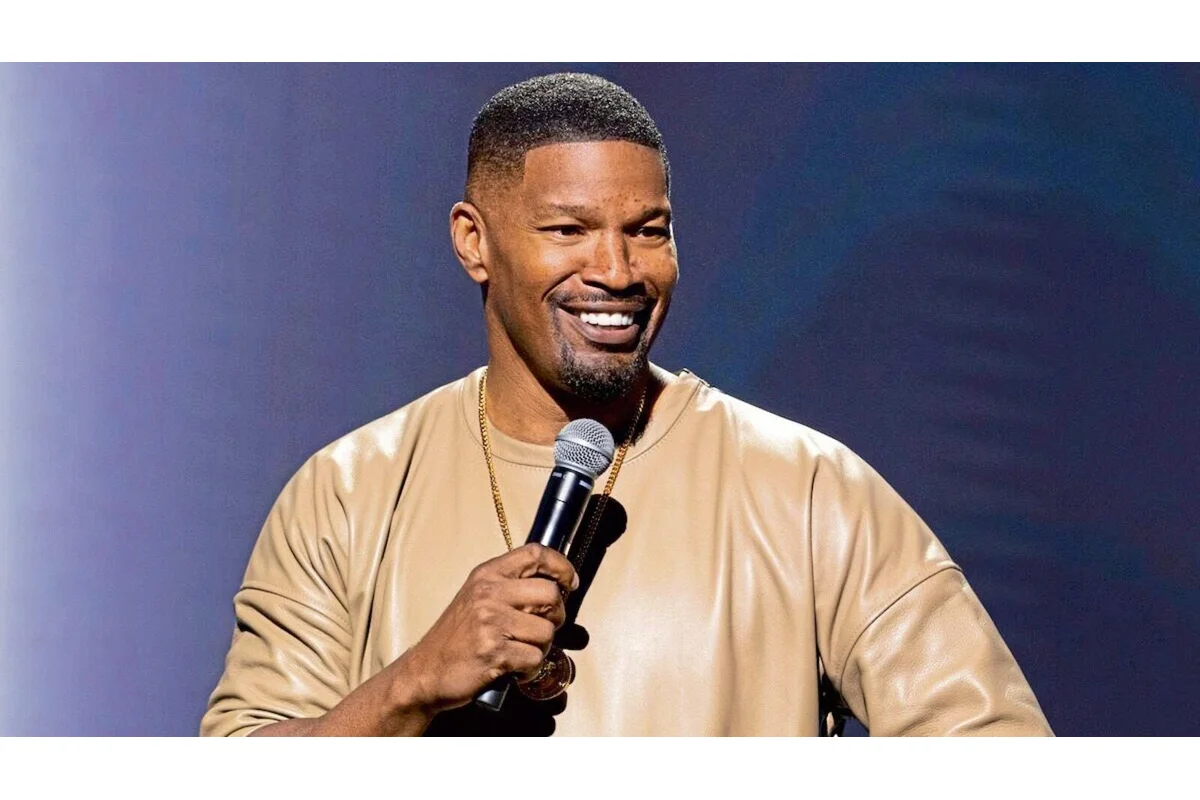
Jamie Foxx has ignited controversy after expressing his opinion on a contentious incident at the Bafta Awards held Sunday evening at London‘s Royal Festival Hall, involving activist John Davidson. The debate centers around Davidson’s vocal outbursts during the ceremony and Foxx’s assertion regarding a racial slur made during the event.
John Davidson’s Tourette’s Tics Disrupt Bafta Ceremony
John Davidson, a 54-year-old campaigner for Tourette‘s syndrome awareness and subject of the Bafta-nominated film I Swear, experienced numerous involuntary vocal tics throughout the awards show. These outbursts began early at the ceremony and prompted host Alan Cumming to momentarily halt proceedings to explain the situation to the audience, which included the Prince and Princess of Wales.
Mr Cumming addressed attendees:
“You may have noticed some strong language in the background. This can be part of how Tourette’s syndrome shows up for some people as the film explores that experience,”
and later added,
“Thanks for your understanding and for helping create a respectful space for everyone.”
Davidson’s audible tics involved multiple expletives, notably during Bafta chair Sara Putt’s opening remarks and while the directors of the children’s film winner Boong accepted their award. The most controversial incident occurred when actors Michael B Jordan and Delroy Lindo presented the visual effects prize to Avatar: Fire and Ash, during which Davidson was heard shouting a racial slur.
Understanding Tourette’s Syndrome and Public Reactions
In response to the uproar over Davidson’s language, Alan Cumming provided a detailed clarification:
“Tourette’s Syndrome is a disability, and the tics you’ve heard tonight are involuntary, which means the person who has Tourette’s Syndrome has no control over their language. We apologise if you are offended tonight.”
Despite this explanation, reactions to the incident were sharply divided. Many viewers struggled to reconcile the involuntary nature of Davidson’s outburst with the severity of the slur he used, which intensified public debate around the Bafta ceremony and its handling of the situation. Davidson, who had attended the event as an invited guest, left the venue during the second half of the night, but sources confirmed that no request for his departure was made by event organisers.
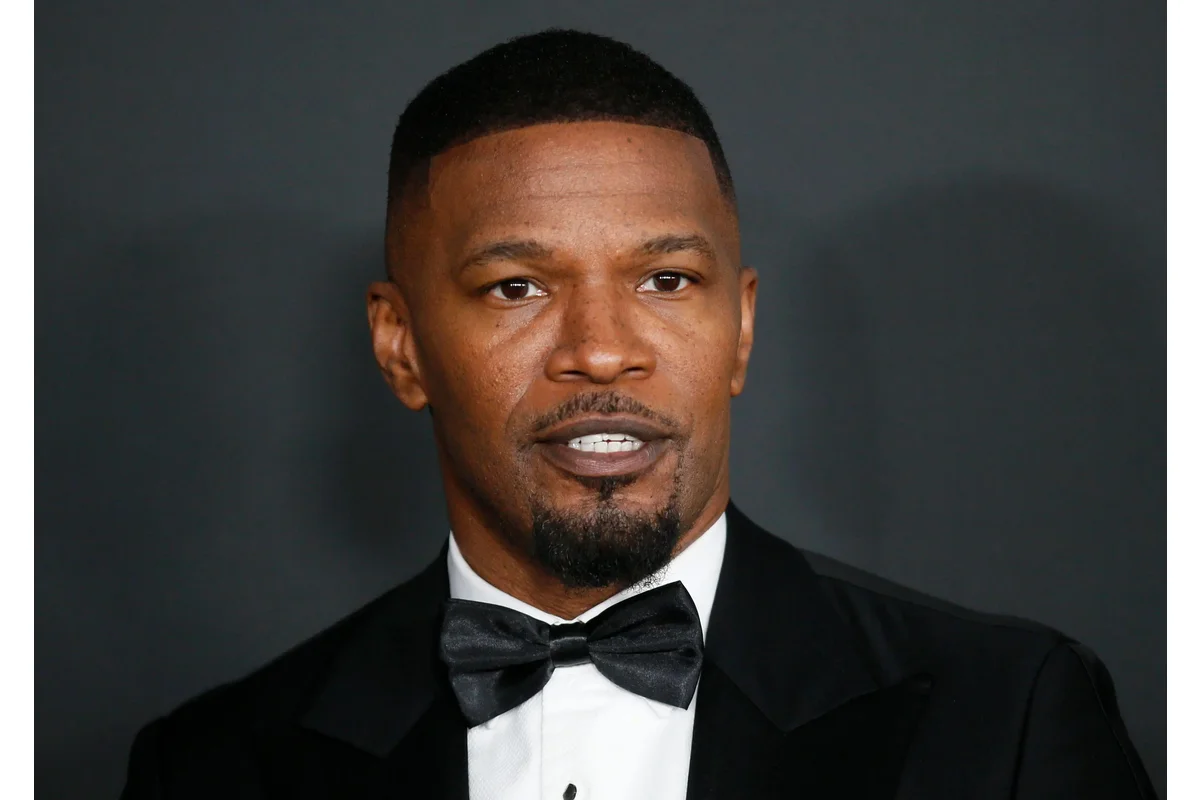
Jamie Foxx’s Controversial Stand on the Incident
Among those weighing in was actor and singer Jamie Foxx, who shared his strong criticism of Davidson’s outburst on Instagram. Reacting to video footage of the moment, Foxx questioned the explanation given for the incident:
“Out of all the words, you could’ve said Torette’s makes you say that?”
Foxx subsequently described the episode as unacceptable and asserted: “Nah he meant that s**t.” His comments sparked further amplification of the controversy. Musician Yung Joc echoed Foxx’s opinion with:
“Yeah ok……. get his ahh outtta here!!! Pronto,”
reinforcing the call for accountability.
Public Backlash Against Jamie Foxx’s Comments
Foxx’s remarks encountered swift backlash on social media, where many users condemned what they viewed as a misinformed and damaging assessment of Tourette’s syndrome. Several expressed disappointment over the actor’s failure to comprehend the neurological condition and its symptoms. One user on X stated:
“Jamie Foxx is now sharing conspiracies about John Davidson. Revolting behaviour,”
while another criticized:
“’He meant that s**t’, Jamie Foxx has no understanding on tourettes and is causing a dangerous path. I expected a lot better from him.”
A third commentator warned about potential harm, saying:
“Really poor reaction from Jamie Foxx this. These types of ganging up reactions is what causes people with Tourettes to turn to self harm,”
highlighting concerns over stigmatization of those with the condition. Others strongly urged Foxx to retract his statements, including one who wrote:
“Disappointing from Jamie Foxx if that screenshot is real,”
with another adding:
“Jamie Foxx has no idea what he is talking about.”
Concerns were raised about the public misunderstanding of Tourette’s syndrome, with one critic noting:
“Like anything else, there are degrees of Tourettes. He is just another celeb who needs to keep his mouth shut.”
John Davidson’s Background and Bafta Recognition
John Davidson first gained wide public recognition from the 1989 BBC documentary John’s Not Mad, which introduced viewers to the complexities of living with Tourette’s syndrome. Although his symptoms began at the age of 12, Davidson was not diagnosed until he was 25, having endured years of confusion and social isolation before receiving a proper understanding of his neurological condition.
Davidson’s life story inspired the film I Swear, a project written, directed, and produced by Kirk Jones. The film performed strongly at the Bafta Awards, earning five nominations including Outstanding British Film, Original Screenplay, and Supporting Actor for Peter Mullan. It won the casting award, while Robert Aramayo, its lead actor, secured Best Actor, beating acclaimed stars Leonardo DiCaprio and Timothée Chalamet.
The 33-year-old Aramayo, known for his role in Lord of the Rings: The Rings of Power, was visibly astonished by his win, reportedly saying, “I can’t believe I’ve won.”
Significance of the Controversy and What Lies Ahead
The incident at the Baftas has sparked a wider discussion about the challenges faced by individuals with neurological disorders such as Tourette’s syndrome, especially in high-profile public settings. It also exposed a fault line in public understanding of involuntary medical symptoms and the dangers of mischaracterizing such episodes, particularly when racial slurs are involved.
Jamie Foxx’s public comments have deepened divisions, raising important questions about celebrity influence and the responsibility that comes with it. Meanwhile, John Davidson remains a respected figure in the campaign for Tourette’s awareness, having been honoured with an MBE in 2018 for his decades of advocacy. It remains to be seen whether this controversy will prompt greater education about the condition or lead to increased stigma.
Bafta’s handling of the situation, including Alan Cumming’s clarifications, reflected an attempt to balance respect for guests with audience sensitivities, but the varied reactions show that the conversation is far from settled. As the debate unfolds, advocates and critics alike are urging for more informed dialogue around Tourette’s syndrome and public reaction to neurological disabilities.
Related semantic context: related coverage · external reference.
