
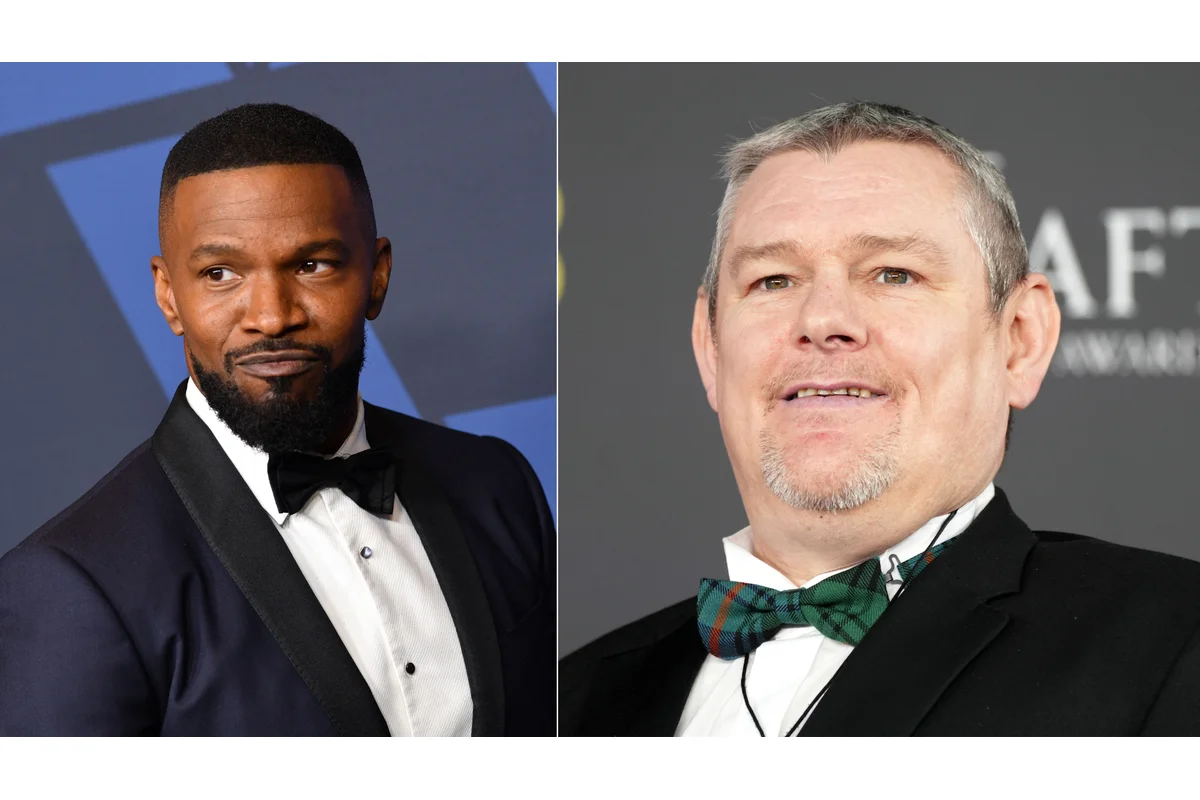
Jamie Foxx Condemns Bafta is the primary entity for this article, supported by Entertainment topic context.
Related WII context: related keeper article. External authority context: industry context.
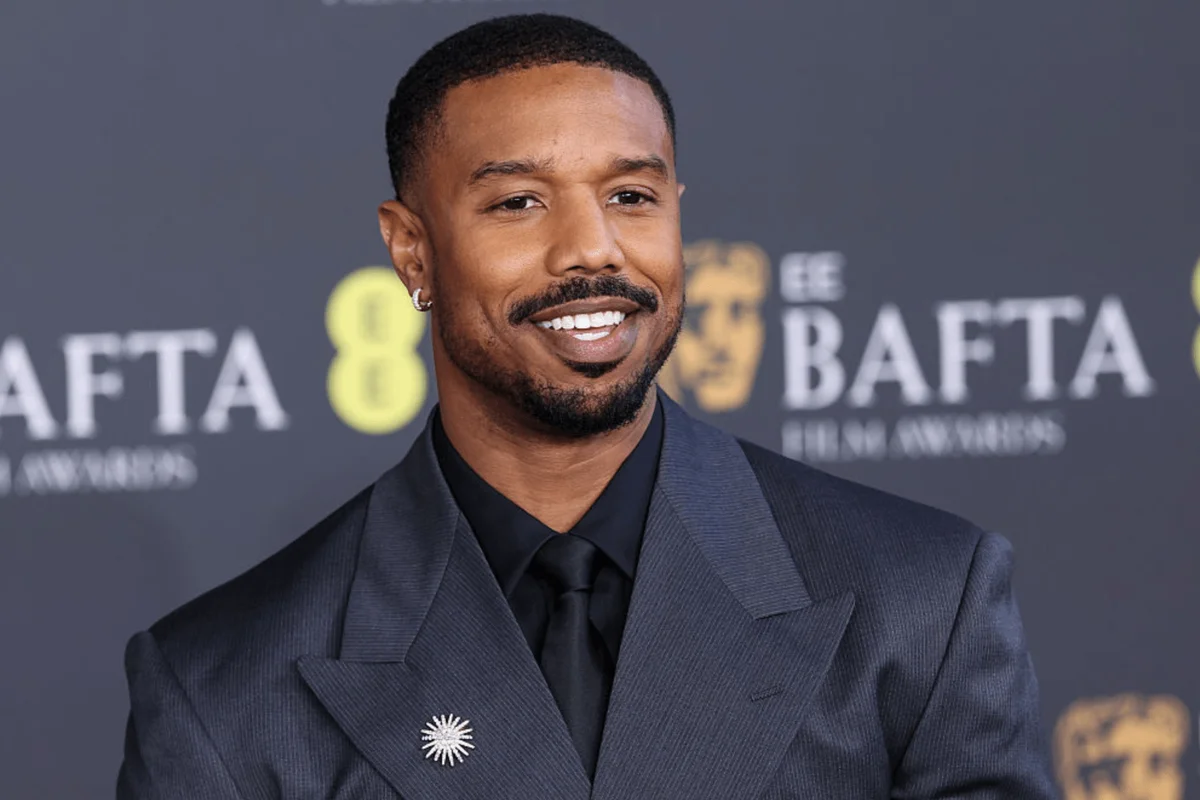
Jamie Foxx, the acclaimed Oscar-winning actor, has publicly condemned Tourette’s activist John Davidson for shouting the N-word during the BAFTA Awards ceremony held on Sunday night at London’s Royal Festival Hall. The incident occurred during a presentation by black actors Michael B. Jordan and Delroy Lindo, sparking widespread controversy around the broadcasting of such language and the debate on involuntary tics caused by Tourette’s syndrome.
Davidson, whose life inspired the film I Swear, has Tourette’s syndrome, a neurological disorder characterized by uncontrollable vocal and motor tics. The appearance of the racial slur during the live segment ignited strong reactions, particularly from Foxx, who insisted the remark was “unacceptable” and questioned whether Tourette’s should be an excuse for uttering such offensive language.
Context and Reactions to the Slur at the Ceremony
During the event, although Michael B. Jordan and Delroy Lindo did not visibly react on stage to Davidson’s outburst, the host Alan Cumming issued an apology, acknowledging the potential offense. Davidson chose to leave the ceremony early following several incendiary comments. Prior to this, Davidson had publicly demonstrated similar vocal tics, including shouting profanity at Queen Elizabeth II during his MBE award ceremony in 2019.
The BAFTAs broadcast was delayed by two hours but still aired Davidson’s slur on BBC One, reaching millions of viewers. The BBC later admitted fault for not editing the word out before airing, removing the awards ceremony from its iPlayer streaming service to address the issue.
BBC Apology and Editing Controversies Surrounding the Broadcast
The BBC initially issued an apology “for any offence caused” but subsequently acknowledged that the racial slur should have been deleted from the broadcast. While the N-word remained live on screen initially, another moment involving filmmaker Akinola Davies Jr. was edited out—most notably, his mention of “Free Palestine” during his acceptance speech was removed. This disparity in editorial decisions sparked further public backlash and accusations of inconsistency in the network’s censorship approach.
Davies Jr.’s speech expressed solidarity with migrants and those affected by conflict, ending with:
“For Nigeria, for London, the Congo, Sudan, free Palestine, thank you.”
The removal of this segment from the televised broadcast, despite the live event being three hours long and shortened to two hours for air, angered viewers who questioned why one controversial statement was cut while the slur was allowed to remain.
Strong Public Criticism and Divided Opinions on the Incident
Jamie Foxx was among several prominent figures vocally enraged by Davidson’s slur. He wrote on social media,
“Out of all the words you could’ve said Tourette’s makes you say that. Nah he meant that s**t. Unacceptable.”
Meanwhile, others called for greater understanding of Tourette’s syndrome, emphasizing that vocal tics are involuntary and not reflective of personal beliefs or intentions.
Tourette’s Action, a charity supporting those with the condition, stated that while the words can cause hurt, they are neurological symptoms beyond the individual’s control and do not represent the person’s character. The charity expressed pride in Davidson and those involved in the film I Swear, which details his journey living with Tourette’s from age 12.
However, some individuals affected by Davidson’s outbursts recounted their distress. Hannah Beachler, a production designer on Sinners, reported being targeted by involuntary racial slurs from Davidson during the night, describing the formal apology as dismissive. She said,
“What made the situation worse was the throw away apology of ‘if you were offended’.”
Beachler emphasized that although the incident was deeply offensive, she requires grace and resilience to work through it.
Political and Industry Figures Demand Accountability
Kemi Badenoch, leader of the Conservative Party, criticized the BBC’s handling of the incident, labeling it a “horrible mistake” for failing to bleep out the racial slur. She underscored the embarrassment faced by the actors on stage and insisted the BBC must explain why the word aired live despite delays allowing for editing. Badenoch also contrasted this with the BBC’s decision to censor politically sensitive content, such as Davies Jr.’s “Free Palestine” phrase.
Wendell Pierce, former co-star of Michael B. Jordan on The Wire, expressed outrage over the lack of an immediate and unequivocal apology to the actors affected by the slur, stating,
“The insult to them takes priority. It doesn’t matter the reasoning for the racist slur.”
Tourette’s Action vice chairman Ed Palmer suggested on Times Radio that the slur, despite being involuntary, should have been bleeped out during the broadcast as a reasonable compromise to prevent offense, while still respecting the reality of the condition.
Audience and Public Reaction Highlight Frustrations Over Broadcasting Decisions
Viewers online voiced their anger at the BBC’s editorial choices, questioning the rationale behind censoring politically charged statements like “Free Palestine,” while allowing Davidson’s racial slur to be aired. One viewer asked, “Is that where we are?” emphasising frustration over the inconsistency in the editorial process during the two-hour delayed broadcast.
Another commented,
“I’m devastated that Delroy Lindo & Michael B. Jordan experienced this,”
while also expressing hope for a public apology from Davidson, despite understanding the involuntary nature of the tics. Others demanded the BBC be held accountable, arguing that the corporation’s decision had caused undue harm to those involved.
Broader Implications for Disability, Broadcast Ethics, and Race
The BAFTA incident has sparked urgent discussions around the challenges of representing disabilities like Tourette’s syndrome on live broadcasts, especially when involuntary language includes deeply offensive terms. It also raises questions about how media organizations balance sensitivity, censorship, and the protection of individuals from harm.
The controversy comes in the wake of previous BBC criticism over editorial decisions, including the airing of politically provocative chants by Bob Vylan at Glastonbury last year, which led to public and governmental rebuke. Former BBC director-general Tim Davie apologized for that broadcast, describing it as “deeply offensive” and “totally unacceptable.”
In Sunday’s ceremony, Ryan Coogler made history as the first Black winner of the BAFTA for Best Original Screenplay for the film Sinners, which also received recognition for best supporting actress Wunmi Mosaku and original score. The evening’s mix of celebratory achievements and controversy has left the awards farewell with a complex, tense legacy, highlighting ongoing conversations about race, disability, and media responsibility.
Next Steps for the BBC and Those Involved
The BBC has removed the ceremony from its iPlayer streaming platform to edit out the offensive slur and has promised a public explanation of its initial failure to censor the term. Calls for accountability from politicians, industry professionals, and viewers suggest ongoing scrutiny of the broadcaster’s editorial practices.
John Davidson has reportedly stepped away from public appearances following the backlash and the incident has reignited conversations about Tourette’s syndrome awareness and the broader need for respectful approaches that balance honest representation with audience sensitivities.
For the actors affected, such as Michael B. Jordan and Delroy Lindo, and others involved, the incident has been a painful reminder of the intersectional challenges they face as Black artists, intensifying calls for greater care and empathy in public events and broadcasts.
