
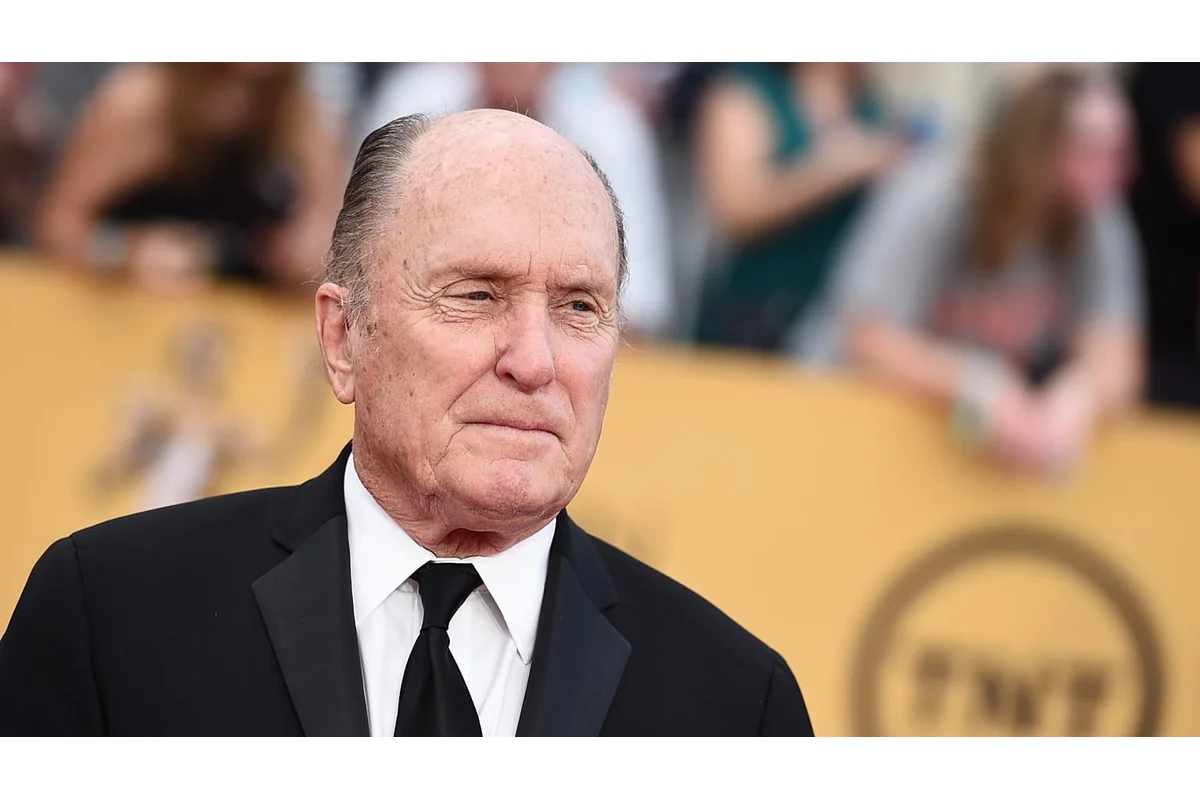
Acclaimed actor Robert Duvall, celebrated for his diverse roles and profound impact on cinema, has passed away at the age of 95, his wife announced recently. Known for his remarkable performances across film genres, Duvall’s legacy cements him as one of Hollywood’s most versatile and respected figures.
Distinguished Career and Impactful Roles
Robert Duvall earned an Academy Award for his lead role in Tender Mercies and received six additional Oscar nominations. His wide-ranging career included memorable performances such as the enigmatic Boo Radley in To Kill a Mockingbird and the iconic Lieutenant Colonel Bill Kilgore in Apocalypse Now. Throughout his decades-long career, he displayed exceptional talent in both lead and supporting roles, leaving an indelible mark on audiences and critics alike.
Luciana Duvall, his wife, praised his dedication to his craft, stating,
“For each of his many roles, Bob gave everything to his characters and to the truth of the human spirit they represented,”
highlighting the depth of his commitment to portraying authentic human experiences.
Early Life and Formative Years
Born into a military family—his father was a Navy admiral—Duvall grew up in Annapolis, Maryland. After finishing college at Principia College in Illinois and serving in the US Army, he relocated to New York City to pursue acting. There, he lived with Dustin Hoffman and developed a friendship with Gene Hackman, forging bonds with fellow future stars during their early struggles.
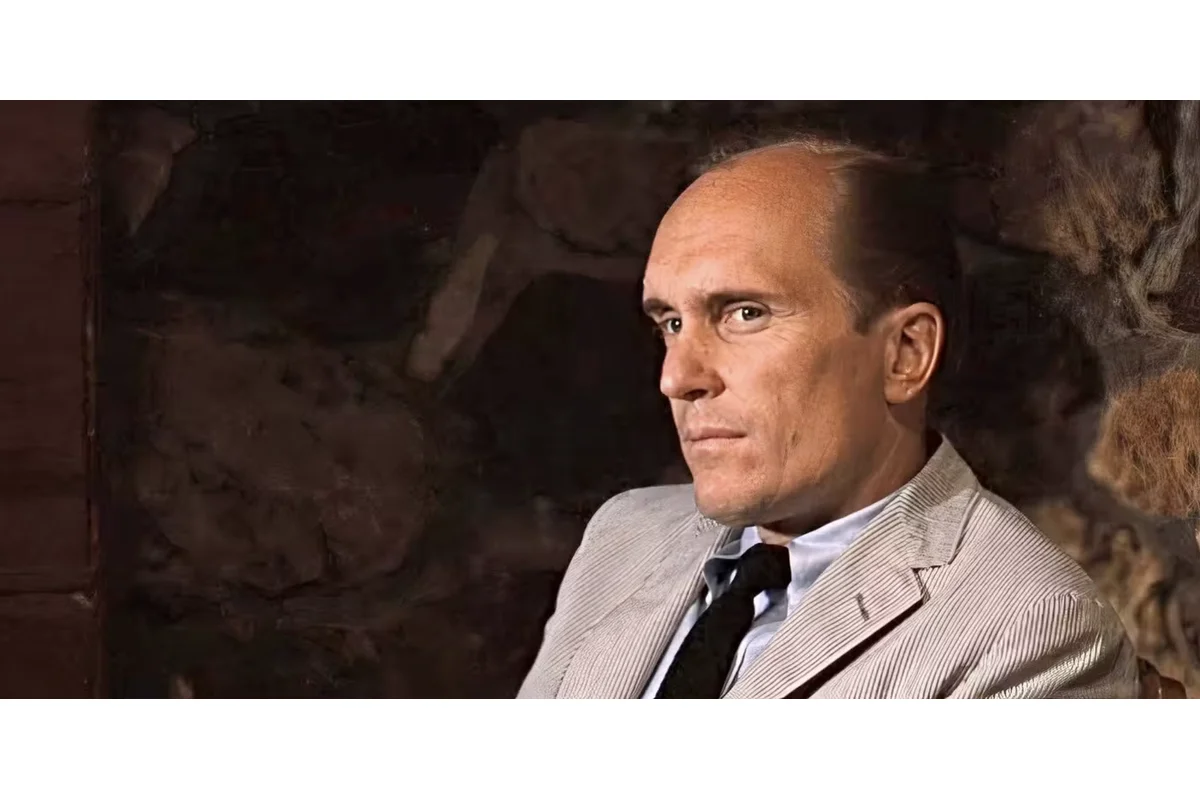
His first major film appearance came as Boo Radley in To Kill a Mockingbird, a role he landed through the recommendation of screenwriter Horton Foote, who recognized Duvall from his theatrical work. This role demonstrated Duvall’s ability to convey complex, subtle characters even in limited screen time, setting the stage for a prolific cinematic journey.
Award-Winning Performances and Iconic Characters
Duvall’s portrayal of the down-and-out country singer in Tender Mercies earned him the Academy Award for Best Actor, a performance crafted from a poignant script by Horton Foote. He also played powerful leaders, including Lieutenant Colonel Bull Meechum in The Great Santini and the titular role in the televised drama Stalin. His ability to embody both commanding and fractured individuals showcased his wide range.
Among his most memorable roles was Lieutenant Colonel Bill Kilgore in Francis Ford Coppola’s Vietnam War epic Apocalypse Now. Duvall’s brief but unforgettable performance as a surf-obsessed officer commanding troops brought cultural touchstones to the screen. His character’s exuberant line,
“I love the smell of napalm in the morning.”
became a symbol of the film’s intense portrayal of war.
Another hallmark of his career was his portrayal of Tom Hagen, consigliere of the Corleone crime family, in The Godfather. For this role, he earned a nomination for Best Supporting Actor. However, he declined to participate in the third installment, citing dissatisfaction with the salary offer. Across his career, Duvall acted in nearly 100 films, including notable appearances in The Great Santini, The Apostle, A Civil Action, and The Judge, each earning critical acclaim and further Oscar nods.
His Unique Bond with Westerns and Television
Duvall’s connection with Western genres was especially strong. He received an Emmy Award for the television mini-series Broken Trail and earned a nomination for his role in Lonesome Dove, where he depicted Gus McRae, a likable yet rugged lawman-turned-cowboy. Reflecting on this role, Duvall told the New York Times,
“I think I nailed a very specific individual guy who represents something important in our history of the Western movement,”
adding,
“After that, I felt I could retire, that I’d done something.”
His affinity for authentic storytelling extended to television, where his performances were as compelling as his big-screen work. Appearing alongside legends such as John Wayne in True Grit, Duvall embraced roles that highlighted the rugged spirit of American culture.
Ventures into Filmmaking and Personal Passions
When tiring of acting within the Hollywood system, Duvall expanded into filmmaking, writing and directing projects that allowed him greater creative control. His work on The Apostle proved successful, earning him another Academy Award nomination for acting. His love for Argentina and the tango inspired his film Assassination Tango, where he also showcased his dancing skills and deep connection to the culture.
Duvall divided his time among Los Angeles, Argentina, and a sprawling 360-acre farm in Virginia, where he created a tango dance hall inside a converted barn. This unique personal space reflected his enduring passion for dance and the cultural ties he nurtured late in life.
Enduring Influence of Robert Duvall’s Legacy
Robert Duvall’s career spanned over six decades, characterized by an unwavering dedication to authenticity and a wide spectrum of roles that ranged from powerful leaders to deeply flawed characters. His relationships with co-stars Dustin Hoffman, Gene Hackman, and James Caan, as well as collaborations with filmmakers like Francis Ford Coppola, enriched American cinema profoundly.
His portrayal of complex figures in culturally significant films such as The Godfather series and Apocalypse Now continues to influence actors and filmmakers alike. As Hollywood reflects on his passing, Duvall’s legacy serves as a reminder of the artistry and commitment behind the craft of acting, with fans and peers honoring the depth and humanity he brought to the screen.
Related semantic context: related coverage · external reference.
