
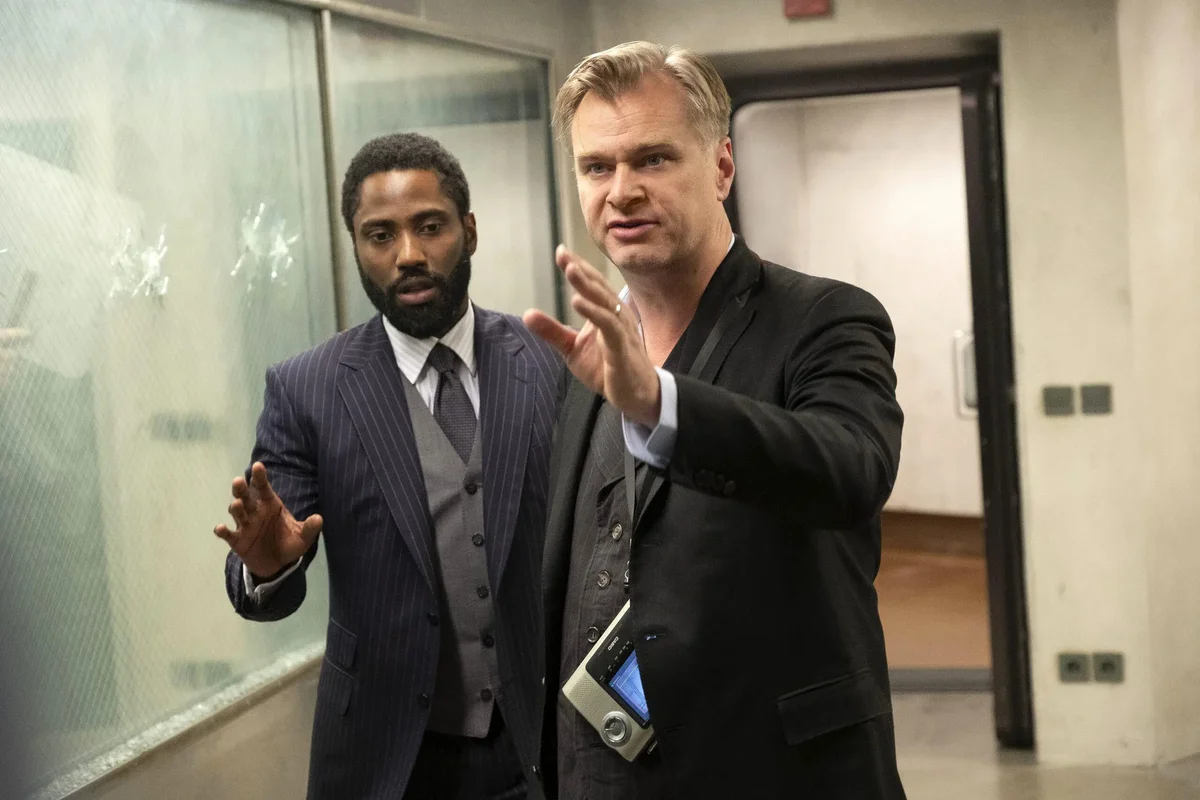
Christopher Nolan shocked audiences during the production of Tenet by choosing to crash a real airplane for a key scene instead of relying on CGI, demonstrating his dedication to practical effects. This decision, made in 2020 on the film set, was driven by the surprising realization that buying and destroying an actual plane was both more authentic and less costly than using miniatures or visual effects.
The Intricate Plot and Ambition Behind Tenet
Tenet, released in 2020 by Warner Bros., follows the Protagonist, played by John David Washington, a secret agent tasked with preventing a global conflict that could trigger World War III. His mission involves navigating a complex world in which time moves backwards, adding layers of complexity to both storytelling and visual execution. The film’s breathtaking action sequences and bold storytelling sparked mixed reactions, with some seeing it as groundbreaking and others finding its narrative challenging to follow. Despite a hefty budget of $200 million, Tenet earned more than $350 million worldwide, underscoring its significant impact on modern cinema.
The film’s scale and ambition raised filmmaking standards through its innovative blend of practical stunts and intricate temporal concepts, setting it apart in a landscape dominated by CGI effects.
The Context and Purpose of the Plane Crash Scene
In Tenet’s storyline, antagonist Andrei Sator, portrayed by Kenneth Branagh, is on the verge of activating a catastrophic algorithm that could destroy the present world. To thwart this, the Protagonist must gain the trust of Sator’s wife Kat, played by Elizabeth Debicki. This involves retrieving a forged painting stored in a secure vault at Oslo Airport Freeport.
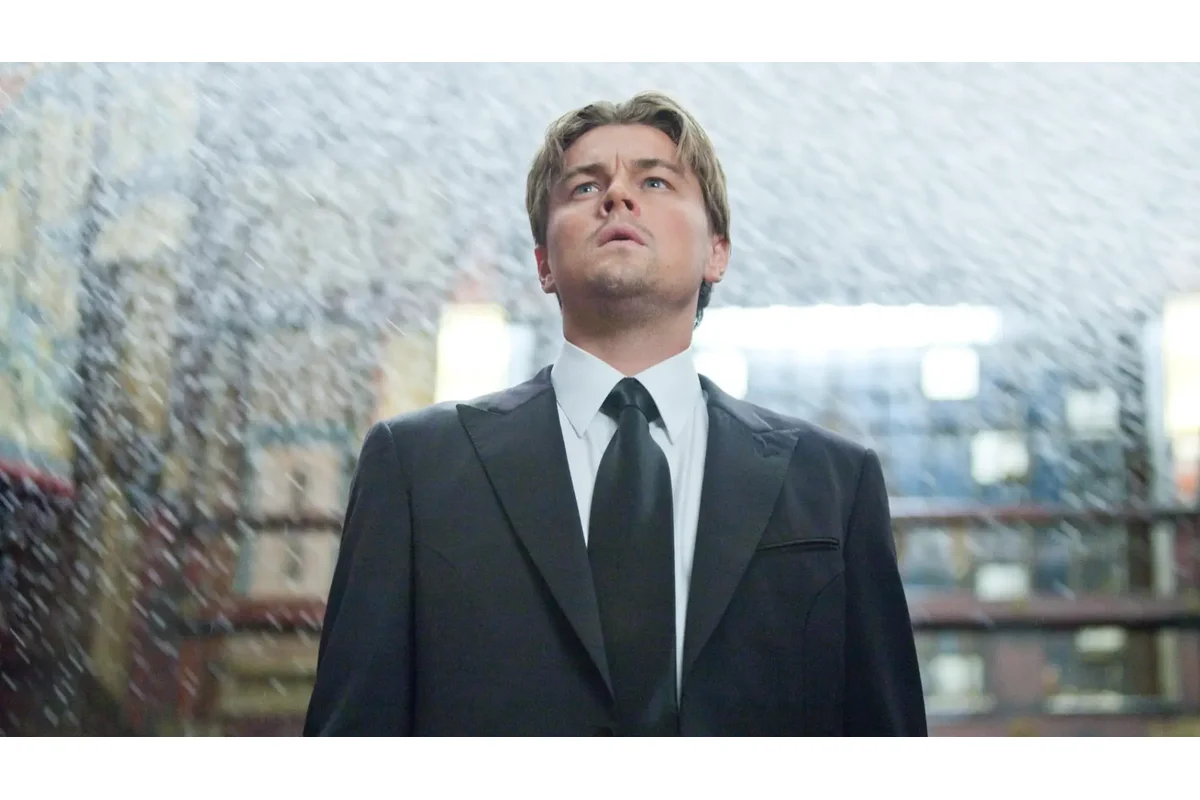
A pivotal sequence involves Neil (Robert Pattinson) explaining that they need to blow up a plane on the ground to create a powerful distraction, allowing the Protagonist to access the vault undetected. Neil acknowledges the dramatic nature of this plan but emphasizes its contribution to the film’s intense theatrical experience.
“This part is a little dramatic,”
Neil, character in Tenet
Initial Plans and the Shift to Practical Effects
During the scriptwriting and planning stages, Christopher Nolan initially intended to employ miniatures, set pieces, and digital effects to create the Oslo Freeport plane crash. However, a thorough cost analysis revealed that purchasing a real airplane was more efficient financially and would deliver an unparalleled realism on screen. This practical approach aligns with Nolan’s filmmaking philosophy of prioritizing authentic visuals over heavy CGI use.
Finding the Perfect Aircraft for the Scene
The production team set out to acquire an old Boeing 737 from a salvage company, but Nolan’s eye was drawn to a much larger Boeing 747 sitting in a nearby field. After consulting with his line producer, the decision was made to acquire the jumbo jet instead to maximize the impact of the crash sequence. This choice added a grander scale to the stunt, amplifying the scene’s intensity and realism.
Why Crashing a Real Plane Made Financial Sense
Nolan explained in a BBC interview that the engines of the Boeing 747 had been sold off beforehand, making the cost of the remaining aircraft significantly lower since engines are among the priciest parts. The plane’s airframe was also degraded, rendering it unfit for flight and classifying it essentially as scrap, which lowered the purchase price drastically.
To simulate engine function during filming, fake rotor engines were installed, eliminating the need for costly CGI to depict movement. Using the real plane also negated the requirement to build an expensive interior set, further cutting costs. Conversely, recreating this sequence with miniatures and digital effects would have run into millions of dollars.
For the stunt, Nolan hired a veteran stuntman who had previously driven a 16-wheeler truck during a daring chase sequence in The Dark Knight, ensuring the crash was executed with expert precision. The entire sequence was filmed using detailed engineering, tow ropes, and extensive safety protocols, and it was completed with no need for reshoots—showcasing the power of practical filmmaking.
Christopher Nolan’s Commitment to Realism in Modern Filmmaking
In an era dominated by digital effects and green screen technology, Nolan’s insistence on using tangible, real-world elements ensures that scenes have an authentic feel that audiences can sense immediately. His willingness to make bold decisions like purchasing and demolishing an actual Boeing 747 exemplifies his unique approach to filmmaking and highlights the difference between great directors and others. The payoff is evident in the immersive experience Tenet delivers on screen.
Related semantic context: related coverage · external reference.
