
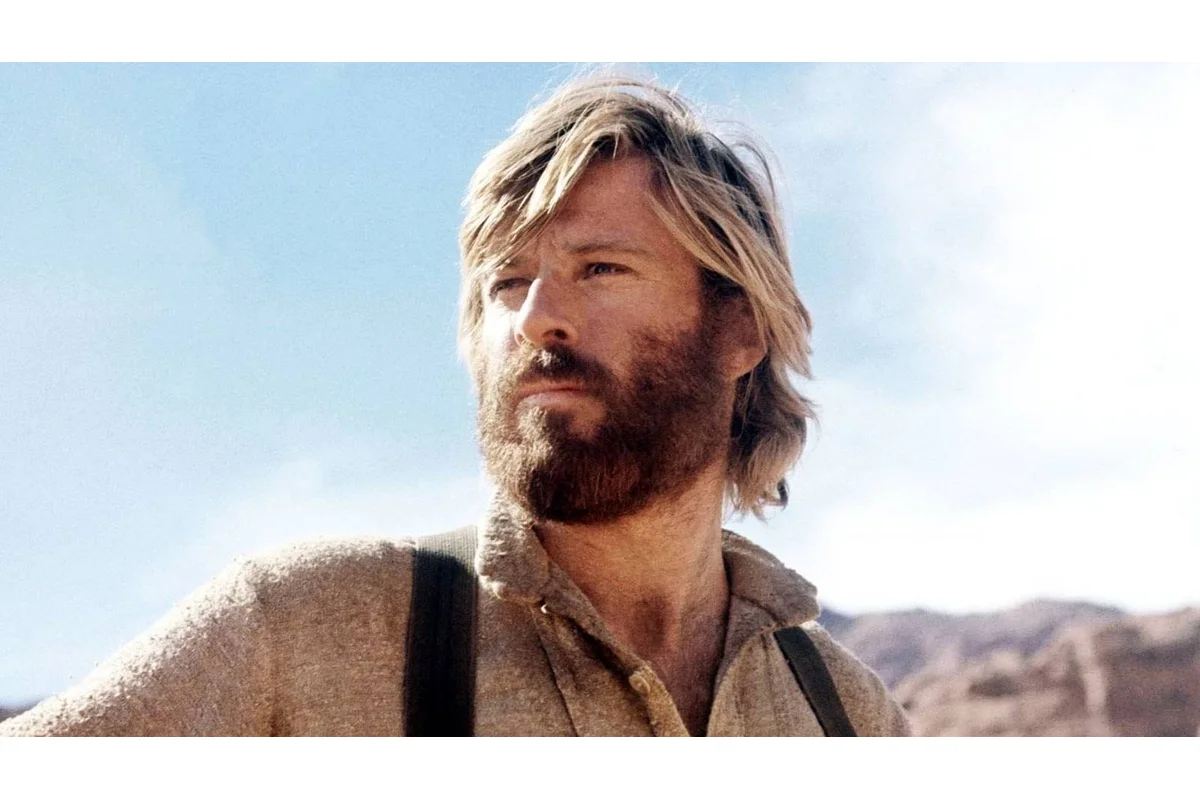
Robert Redford Westerns hold a significant place in American cinema, despite the actor appearing in relatively few within the genre. From his early television appearances in Western settings to his final cameo in the 2025 series “Dark Winds,” Redford’s connection to Westerns spans decades. This article ranks all his Western movies, spotlighting their merits and shortcomings while illustrating Redford’s evolving career across acting and directing.
Ranking the Western Films Featuring Robert Redford
5. ‘The Horse Whisperer’ (1998): A Neo-Western That Divides Opinions
Though frequently overlooked in lists of Robert Redford Westerns, “The Horse Whisperer” deserves recognition as at least a neo-Western due to its thematic ties to the genre. Released in 1998, the film marks a late entry in Redford’s Western repertoire, where he also took the director’s seat. Despite these credentials, the film’s nearly three-hour length feels excessive for its straightforward plot, which focuses on a horse trainer aiding a young girl and her horse, while developing a romantic relationship with her mother.
The pacing tends to lag, and the storyline lacks the complexity needed to justify its long runtime, leaving it somewhat forgotten in the years since release. Its visual style and Redford’s presence offer some appeal, but the film’s old-fashioned tone is notable for a late-90s movie, which may contribute to its obscurity today.
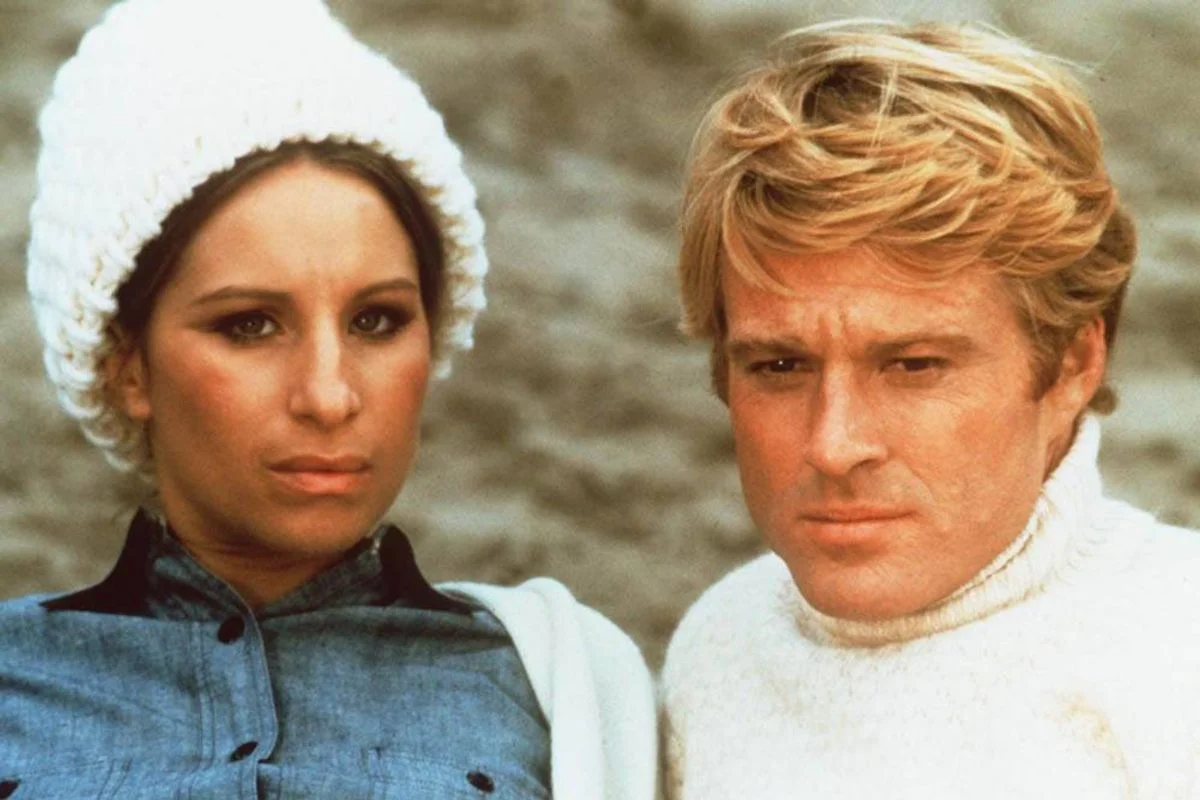
4. ‘Tell Them Willie Boy Is Here’ (1969): A Complex Revisionist Western
This lesser-known Robert Redford Western features Redford not as the protagonist but as the Deputy Sheriff in pursuit of Willie Boy, played by Robert Blake. The film explores a manhunt sparked by a killing in self-defense, with social and racial tensions of the Old West woven into the narrative. Katharine Ross appears in a supporting role, as she does in Redford’s most famous Western, and Conrad Hall served as cinematographer on both films.
As a revisionist Western from the 1960s, the movie strives for a balanced portrayal of its characters, blurring traditional moral lines. However, modern audiences might find the pacing slow and elements outdated. For its time, the film was considered moderately successful in addressing complex themes, though it remains far from perfect. Still, it stands as a respectable effort within the genre, showcasing another facet of Redford’s early career.
3. ‘The Electric Horseman’ (1979): A Modern Western with Romantic Flair
Marking one of the last large-scale New Hollywood productions, “The Electric Horseman” stars Redford alongside Jane Fonda in a story blending the Western genre with romantic comedy and drama elements. The plot follows a former rodeo champion who absconds with a $12 million horse, leading to a cross-country escapade.
The film’s mix of genres results in a narrative that at times feels unfocused and slow, yet it retains considerable charm, largely thanks to the chemistry between Redford and Fonda. Financially, it was successful, earning nearly five times its $12.5 million budget. “The Electric Horseman” thus represents both a farewell to Redford’s cowboy roles and a unique take on the Western in a contemporary setting.
2. ‘Jeremiah Johnson’ (1972): A Solitary Survival Tale in the Wilderness
Directed by Sydney Pollack, “Jeremiah Johnson” stars Redford in one of the most visually stunning Westerns ever produced. The film centers on the titular character’s life as a frontier hermit facing harsh wilderness conditions and tensions with local Native Americans who hold a vendetta against him. This story is more about endurance and solitude than traditional gunfights or showdowns.
Redford’s portrayal highlights a rugged, weathered character, far removed from his typical handsome leading roles. The film’s naturalistic cinematography and focus on survival have earned it critical acclaim and enduring popularity, partly due to iconic scenes that have permeated popular culture in unexpected ways. It stands as a testament to Redford’s versatility and the atmospheric power of the Western genre.
1. ‘Butch Cassidy and the Sundance Kid’ (1969): The Defining Classic
“Butch Cassidy and the Sundance Kid”
is frequently hailed as one of the greatest Westerns ever made and unquestionably leads the list of Robert Redford Westerns. The film pairs Redford’s Sundance Kid with Paul Newman’s Butch Cassidy, creating a dynamic onscreen partnership that remains one of cinema’s most celebrated duos. Katharine Ross also features prominently, and Conrad Hall’s cinematography enhances the film’s timeless appeal.
The story blends action, humor, and tragedy, appealing to a broad audience beyond traditional Western fans. The chemistry between Newman and Redford contributes significantly to the film’s enduring charm, ultimately distinguishing it as an iconic work that elevated the Western genre. Its success extended beyond the Western niche, influencing popular culture and securing its place in American film history.
Paul Newman portrayed Butch Cassidy, while Robert Redford took on the role of the Sundance Kid, making their collaboration legendary and a highlight of both actors’ careers.
Robert Redford’s Western Legacy and Its Future Influence
Though Robert Redford Westerns are few in number, their impact is significant, ranging from the classic to the experimental. His roles often redefined audience expectations of the Western hero, moving away from rigid archetypes into more nuanced characterizations. Films like “Jeremiah Johnson” and
“Butch Cassidy and the Sundance Kid”
continue to influence filmmakers and fans alike, while ventures like “The Horse Whisperer” reveal the genre’s flexibility when adapted to modern sensibilities.
Redford’s collaborative work with directors like Sydney Pollack and contributions as a director himself reflect a broader artistic vision that shaped his career. The lasting popularity of his Westerns demonstrates the genre’s enduring appeal and hints at how contemporary storytellers might continue to reinterpret these classic themes. As Redford’s legacy evolves, his Western films remain vital points of reference in both his filmography and the history of American cinema.
Related semantic context: related coverage · external reference.
