
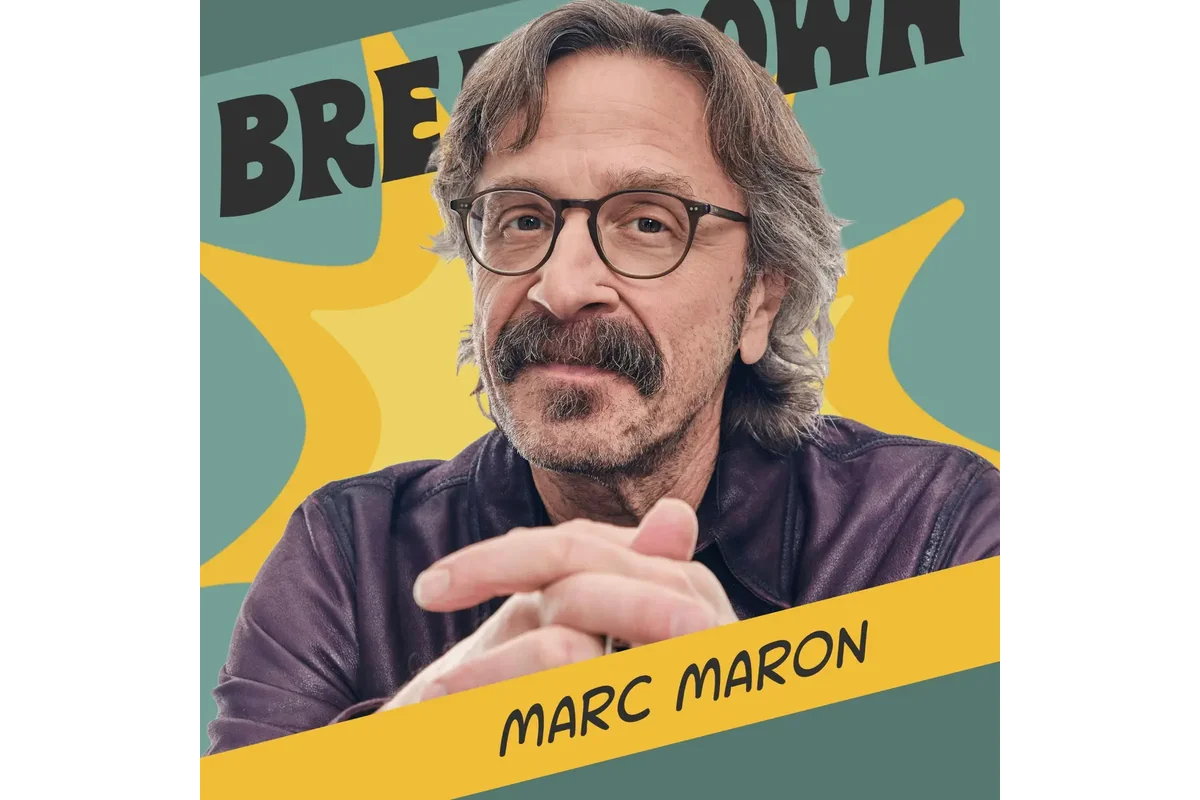
Marc Maron is the primary entity for this article, supported by Entertainment topic context.
Related WII context: related keeper article. External authority context: industry context.
In the early 1990s, comedian Marc Maron faced a humiliating setback during a stand-up engagement in Australia, which led to an abrupt end to a three-week run and a costly return flight to the United States. The experience, now well-known among comedy circles, involved Maron bombing so severely that he was asked to leave, marking a significant challenge in his early career. The incident underscored the high stakes and pressures of international performance tours and became a defining moment in his journey as a comedian.
Struggles With Material and Confidence on Stage
Maron was initially booked to perform a month-long series of shows—one week of previews followed by three weeks of official performances—at an Australian comedy club. However, Maron revealed he had only about 30 minutes of solid material prepared, far less than needed to carry the demanding schedule. Upon arrival, he was confronted with high expectations symbolized by a billboard advertising him as a star, which deepened his anxiety. He admitted,
“I was freaking out on all levels: Didn’t have the confidence, didn’t have the act, do not like to travel.”
The format of the shows posed another challenge. Used to continuous performances, Maron found the inclusion of an intermission disruptive, struggling to maintain the flow of his act.
“The first time you deal with that, you’re like, ‘What the f— are you doing? You’re stopping the whole flow!’”
he recalled, describing how he watched earlier performers and felt increasingly doomed as he waited for his turn.

The Night of the Bombing: Silence in a Room of 400
On opening night, Maron’s anxiety culminated in a disastrous performance. He smoked on stage, as was permitted at the time, but when an audience member shouted a casual question, it threw Maron off completely.
“And I was so f—ed up in my head confidence-wise that it just shut me down,”
he reflected. Following that disruption, he found it impossible to spark any reaction from the crowd.
He described the eerie quiet that engulfed the audience:
“There was a point where all I could hear in a room full of 400 was the embers of my cigarette burning. It’s not just a silence, there’s like a suction to it. And I felt myself leave my body. It was literally like, ‘I’m gonna go watch from over there.’”
After the show, the club owner’s concerned expression confirmed the severity of the failure, asking if Maron was okay, to which he responded, “Yeah, I guess I’m okay.”
Club Owner Cuts the Engagement Short
The morning after the disastrous opening, the club’s owner called Maron for a meeting. Initially scheduled to headline for three more weeks, Maron was told the arrangement was no longer working out.
“And he goes, ‘I don’t think this is working out.’ And I’m like, ‘Okay,’”
Maron recounted. The owner then suggested that Maron should return home early.
Maron admitted that despite the setback, he wasn’t sure whether he was paid for that first week of shows. When asked, he said,
“I don’t even f—in’ know. I don’t even think I cared. I knew I had to play along and be like, ‘Oh really? I think it’ll get better.’ So I said that, but in my mind, I’m like, ‘Thank f—in’ God.’”
Personal Fallout and the Relapse on the Flight Home
The failure weighed heavily on Maron’s mental health, ultimately triggering a relapse in his sobriety. Having been sober for about a year prior to the tour, he succumbed to drinking during the long plane ride back to the U.S.
“I’d been sober for about a year, and on that plane ride back, totally f—in’ got s—faced. Totally relapsed,”
he confessed.
“I just drank the whole way home.”
The experience left a lasting impression on the comedian, illustrating the intense pressure of the profession and the vulnerability even established performers can feel.
